
Edinburgh Travel Guide: Plan Your Perfect Trip
By Matt Cuckston, Founder & Travel Technology Expert at TixLayer
Few cities in Europe pack as much history, architecture, and atmosphere into such a compact area as Edinburgh. Whether you are planning a weekend break or a longer Scottish adventure, this Edinburgh travel guide covers everything you need to know to make the most of your time, from getting there and getting around to where to eat and what to skip. If you are searching for the best things to do in Edinburgh, you have come to the right place.
---
Getting to Edinburgh

Edinburgh is well connected to the rest of the UK and to international destinations.
By Air: Edinburgh Airport sits about eight miles west of the city centre. The Airlink 100 bus runs every ten minutes into the city and costs around £5. A tram line also connects the airport directly to York Place in the city centre, taking roughly 35 minutes and costing £8.50 for a single ticket. Taxis are available but expect to pay £25 to £35 depending on traffic.
By Train: Travelling from London by train takes around four and a half hours on the East Coast Main Line, arriving at Edinburgh Waverley, which sits right in the heart of the city. This is often the most comfortable option and can be very affordable if booked in advance through Avanti or LNER.
By Bus: National Express and Megabus both operate coach services from major UK cities. Journeys from London take around nine hours but can cost as little as £10 if booked early.
By Car: Driving is an option, but parking in the city centre is expensive and limited. If you are planning day trips into the Highlands, renting a car for part of your stay makes more sense than keeping one for the whole trip.
---
Getting Around the City

Edinburgh is a walkable city for the most part. The Old Town and New Town are close together, and most major attractions are within reasonable walking distance of each other.
Buses: Lothian Buses operate an extensive network across the city. A single fare costs £2 and a day ticket costs £4.50. You can pay by contactless card on board.
Trams: The tram line runs from the airport through the city centre to Newhaven, making it useful for reaching the Leith waterfront area.
Hop-On Hop-Off Tours: If it is your first time in the city, a Big Bus Tours Edinburgh Hop-on, Hop-off Sightseeing Tour or the City Sightseeing 24-Hr Hop-On Hop-Off Tour of Edinburgh are genuinely useful ways to get your bearings and cover a lot of ground without planning every step.
Taxis and Rideshare: Black cabs are plentiful and can be hailed on the street. Uber also operates in the city.
---
Best Neighbourhoods to Stay In
Old Town: The most atmospheric part of the city, built along the Royal Mile between the Castle and the Palace of Holyroodhouse. It is ideal for first-time visitors who want to be close to the main sights, though accommodation here tends to be pricier.
New Town: A UNESCO World Heritage Site in its own right, the Georgian grid of the New Town is elegant and central. Great for restaurants, independent shops, and easy access to Princes Street.
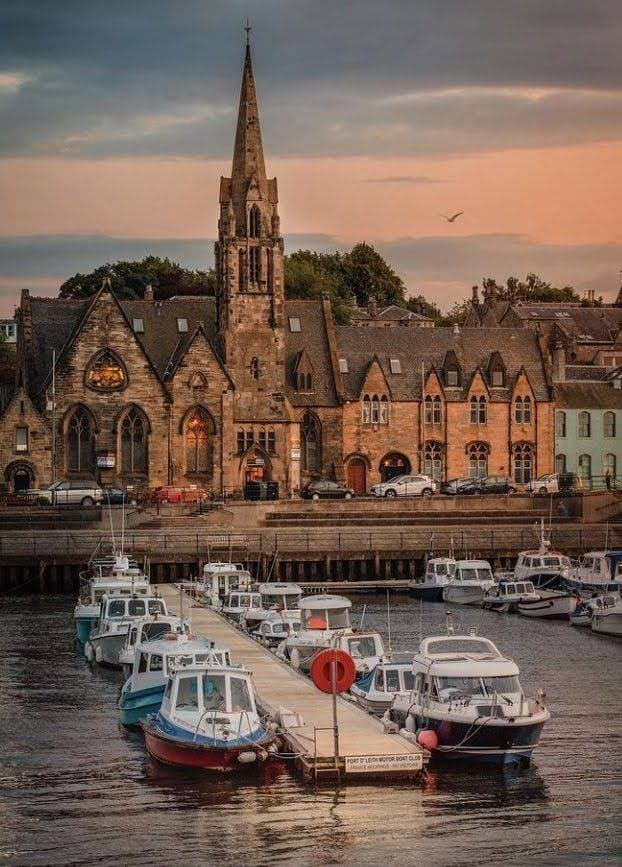
Leith: The former port neighbourhood has transformed significantly over the past two decades. It offers some of the city's best restaurants, a more relaxed pace, and lower accommodation prices. The tram makes getting into the centre straightforward.
Stockbridge: A residential neighbourhood with a village feel, good independent cafes, and a Sunday market. Popular with locals and a good choice if you want a quieter base.
---
When to Visit Edinburgh

Best months: May, June, and September offer the best combination of reasonable weather, longer daylight hours, and manageable crowds. Temperatures sit between 12°C and 18°C, which is ideal for walking.
August: The Edinburgh Festival Fringe runs throughout August and is one of the largest arts festivals in the world. The city is extraordinary during this period, but accommodation prices triple or quadruple and must be booked months in advance. If the festival is the reason for your trip, plan early. If you are simply sightseeing, August is genuinely overwhelming and expensive.
Winter: December through February is cold and wet, but the city has a quiet charm during this period. Hogmanay, the Scottish New Year celebration on 31 December, draws large crowds and is worth experiencing if you can find accommodation.
What to avoid: The last two weeks of August if you dislike crowds and high prices. Bank holiday weekends also see significant price spikes.
---
What to See and Do

Edinburgh Castle is the obvious starting point. Sitting on an ancient volcanic rock above the city, it houses the Scottish Crown Jewels and the Stone of Destiny. Book your tickets in advance through Edinburgh Castle on TixLayer to avoid the queues.
For something darker, the Underground Vaults Walking Tour in Edinburgh Old Town takes you beneath the South Bridge into a network of chambers that were once used as workshops, homes, and worse. It is genuinely atmospheric and historically fascinating.
Fans of J.K. Rowling will find Edinburgh surprisingly rich in connections to the Harry Potter series. The Original Harry Potter Locations Tour in Edinburgh visits the cafes, graveyards, and streets that inspired the books.
For day trips, the Scottish Highlands are easily accessible from the city. The From Edinburgh: Loch Ness, Glencoe & Scottish Highlands Tour is one of the most popular options, covering Loch Ness and Glencoe in a single full day.
Other unmissable experiences include the Palace of Holyroodhouse, Arthur's Seat (an extinct volcano with panoramic views reached via a 45-minute hike), the Scottish National Museum (free entry), and the Royal Botanic Garden.
---
Where to Eat and Drink
Edinburgh has a strong food scene that goes well beyond haggis and deep-fried Mars bars.
Budget options: Sandwich shops along the Royal Mile are convenient but overpriced. Head one or two streets off the main tourist drag for better value. Leith has several excellent lunch spots at reasonable prices.
Mid-range: The Stockbridge Restaurant, Cafe St Honore, and Timberyard are all worth booking in advance. Expect to pay £30 to £50 per person for a full dinner with drinks.
For whisky: The Scotch Whisky Experience near the Castle offers tastings and education, but for a more local experience, the Bow Bar on Victoria Street has one of the finest whisky selections in the city without the tourist markup.
Breakfast: Mary's Milk Bar in the Grassmarket is a local institution for ice cream and coffee. The Pantry in Stockbridge does excellent weekend brunch.
---
Budget Expectations
Edinburgh sits in the middle range for UK cities. It is cheaper than London but more expensive than most Northern English cities.
- Budget traveller (hostel, self-catering, free museums): £50 to £70 per day
- Mid-range (hotel, restaurant meals, a couple of paid attractions): £120 to £180 per day
- Comfortable (boutique hotel, good restaurants, tours): £200 to £300 per day
The city's major museums, including the National Museum of Scotland and the Scottish National Gallery, are free, which helps considerably.
---
Insider Tips

1. Walk Calton Hill at dusk. Most visitors go to Arthur's Seat for views, which involves a proper hike. Calton Hill, a ten-minute walk from Princes Street, offers equally impressive panoramas over the city and the Firth of Forth. It is particularly beautiful as the light fades and the city lights come on, and you will share it with far fewer people than the Castle esplanade.
2. The Grassmarket on a weekday morning. This historic square below the Castle walls is one of the most atmospheric spots in the city, but it gets crowded on weekend afternoons. Visit on a Tuesday or Wednesday morning when the cafes are quiet and you can actually appreciate the architecture and history.
3. Leith Walk for local eating. The stretch of Leith Walk between the city centre and Leith proper is lined with independent restaurants, delis, and coffee shops that almost no tourist guide mentions. It is where a large portion of the city's food community actually eats, and prices are noticeably lower than anywhere near the Royal Mile.
---
Practical Tips
- Scotland has its own banknotes, which are legal tender throughout the UK, though some businesses outside Scotland may be reluctant to accept them. Standard UK notes and cards are accepted everywhere in Edinburgh.
- The weather changes quickly. Carry a light waterproof jacket regardless of the forecast.
- Book major attractions and tours in advance during summer, especially in August.
- Tipping in restaurants is appreciated but not mandatory. Ten percent is standard.
- The city centre is hilly. Comfortable walking shoes are essential.
Edinburgh is a city that rewards curiosity. The further you wander from the Royal Mile, the more the city reveals about itself. Take your time, look up at the architecture, and do not be afraid to ask locals for recommendations.


