Surabaya Travel Guide: Plan Your Perfect Trip
By Matt Cuckston, Founder & Travel Technology Expert at TixLayer
Most travellers fly over Surabaya on their way to somewhere else. That is a mistake worth correcting. As one of the best things to do in Surabaya involves simply getting out and exploring a city that operates largely on its own terms, independent of the tourist trail, you will find a destination that is genuinely rewarding for those who come prepared. This guide gives you everything you need to plan your trip well.
---
Getting There
Juanda International Airport (SUB) is the main gateway into Surabaya, located around 18 kilometres south of the city centre. It is well connected to major Indonesian cities including Jakarta, Bali, Medan, and Makassar, with frequent daily flights on Garuda Indonesia, Lion Air, Citilink, and Batik Air. International connections are available via Kuala Lumpur, Singapore, and a handful of other regional hubs.
From the airport, your options into the city include:
- Taxi (metered or app-based): The most straightforward option. Use Grab or Gojek to avoid negotiation. Expect to pay IDR 80,000 to IDR 150,000 depending on destination and traffic.
- Damri airport bus: A budget-friendly shuttle service with fixed routes to key points in the city. Fares sit around IDR 30,000 to IDR 40,000.
- Train: Juanda Station is a short shuttle ride from the airport and connects to the city's rail network, useful if you are heading toward the central or southern parts of the city.
If you are arriving overland from Bali or Yogyakarta, long-distance buses and trains are both viable. The Banyuwangi to Surabaya train route is comfortable and scenic.
---
Getting Around the City
Surabaya is a sprawling city and walking between major sights is rarely practical. Here is how most people get around:
- Grab and Gojek: These ride-hailing apps are the default for most travellers. Affordable, reliable, and available across the city. A typical short ride costs IDR 15,000 to IDR 40,000.
- Angkot (minibuses): Cheap and frequent but routes can be confusing for first-time visitors. Useful if you are comfortable navigating without English signage.
- Suroboyo Bus: A newer, air-conditioned city bus network with a flat fare paid using a card or recyclable plastic bottles. A genuinely interesting initiative and a comfortable way to travel key corridors.
- Motorbike taxi (ojek): Available through Gojek. Faster in traffic and slightly cheaper than car options.
Renting a car with a driver for a full day (around IDR 400,000 to IDR 600,000) is worth considering if you plan to visit multiple sites or take a day trip outside the city.
---
Best Neighbourhoods to Stay In
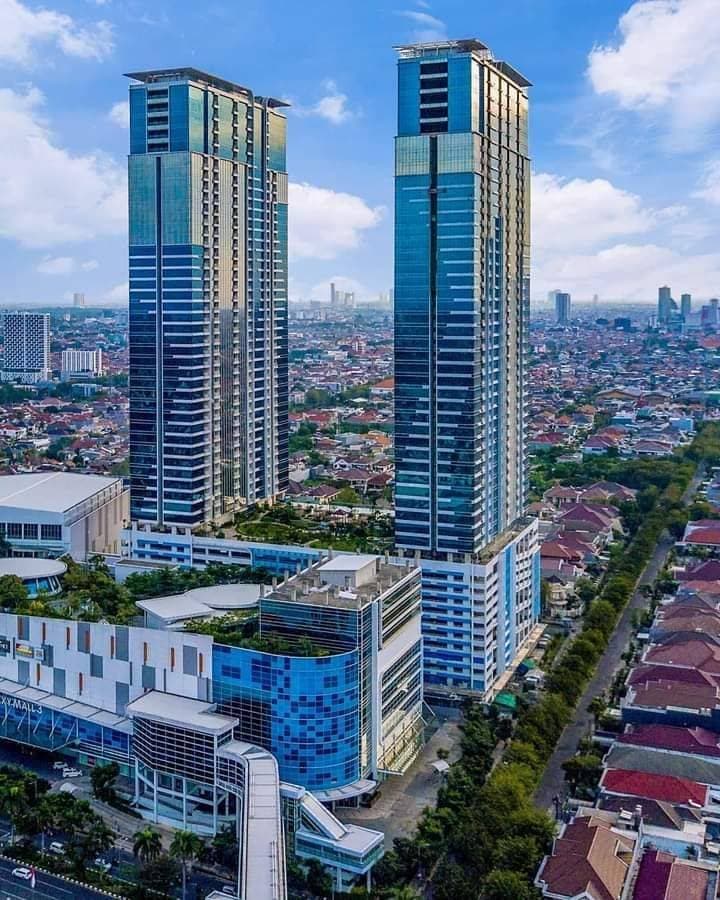
Gubeng and Darmo: Central, well-connected, and home to a good mix of hotels, restaurants, and shopping centres. A sensible base for most travellers.
Pakuwon and Citraland (West Surabaya): Modern, quieter, and popular with families. Closer to malls and newer developments. A good choice if you are travelling with children.
Kota Lama (Old Town): The historic core of the city, best for those who want to be near colonial-era architecture and the Kali Mas riverfront. Accommodation options are more limited here but the atmosphere is distinct.
---
When to Visit
Surabaya sits close to the equator, which means the climate is warm year-round, typically between 25°C and 34°C. The city experiences two seasons:
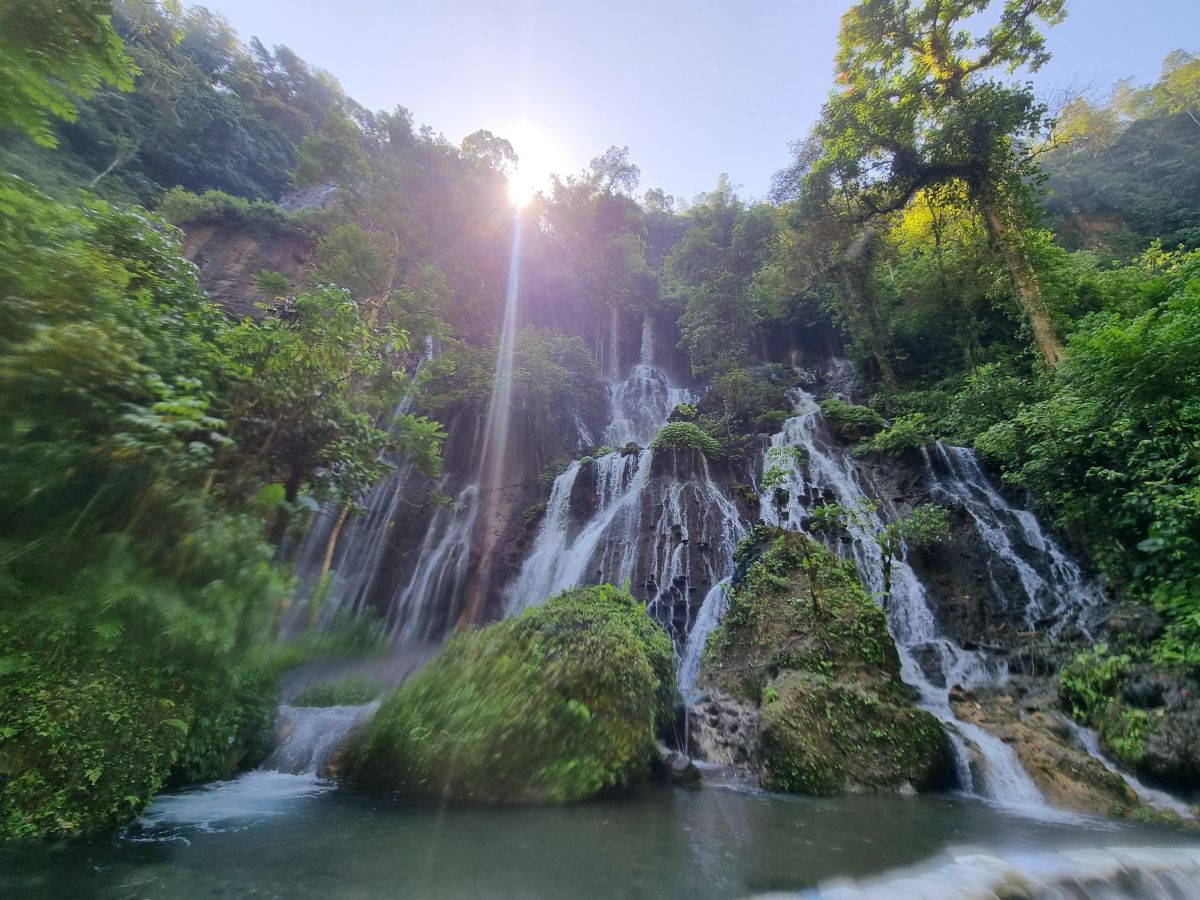
- Dry season (May to October): The best time to visit. Lower humidity, less rainfall, and more comfortable conditions for sightseeing. June through August is the peak of the dry season and ideal for day trips to nearby volcanic areas like Bromo or Ijen.
- Wet season (November to April): Afternoon downpours are common and can be heavy. Travel is still entirely possible, but outdoor plans need flexibility. January and February see the heaviest rainfall.
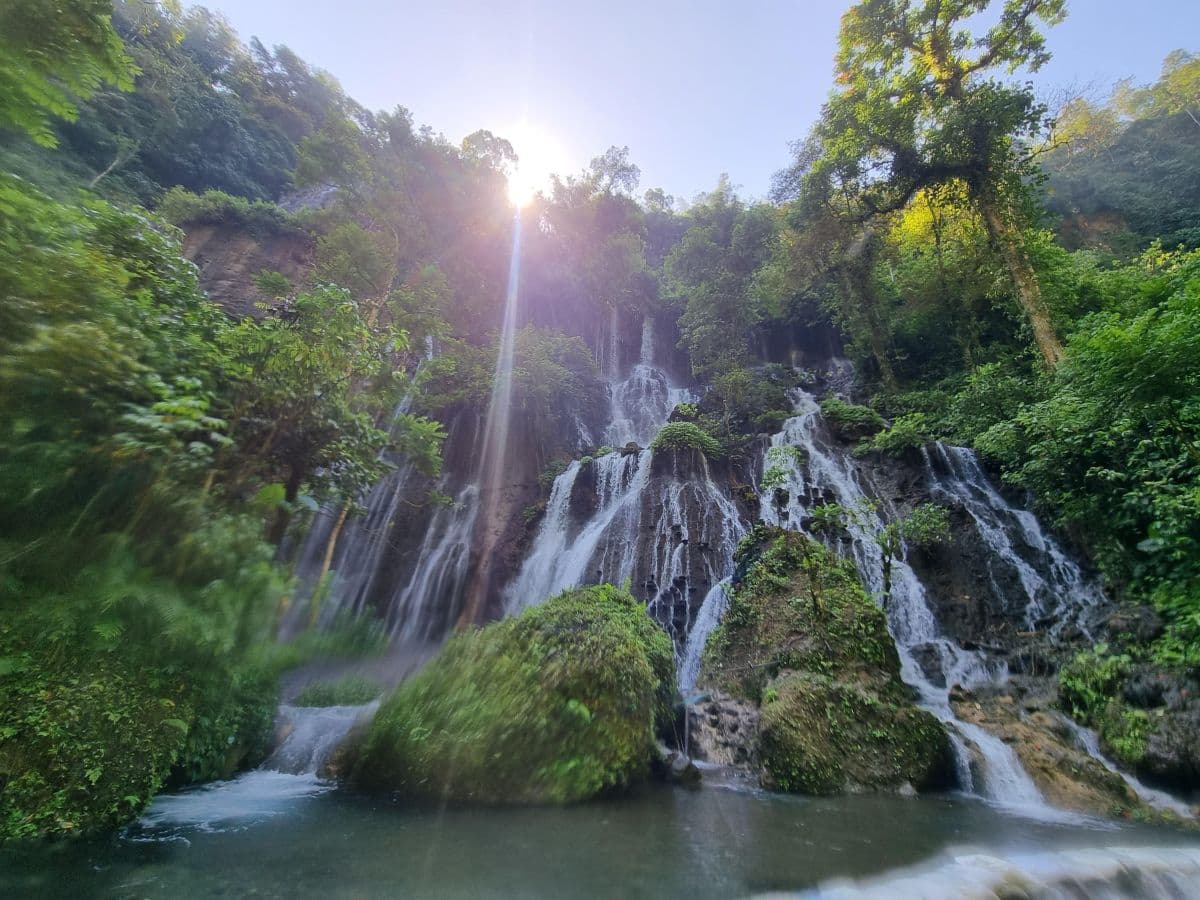
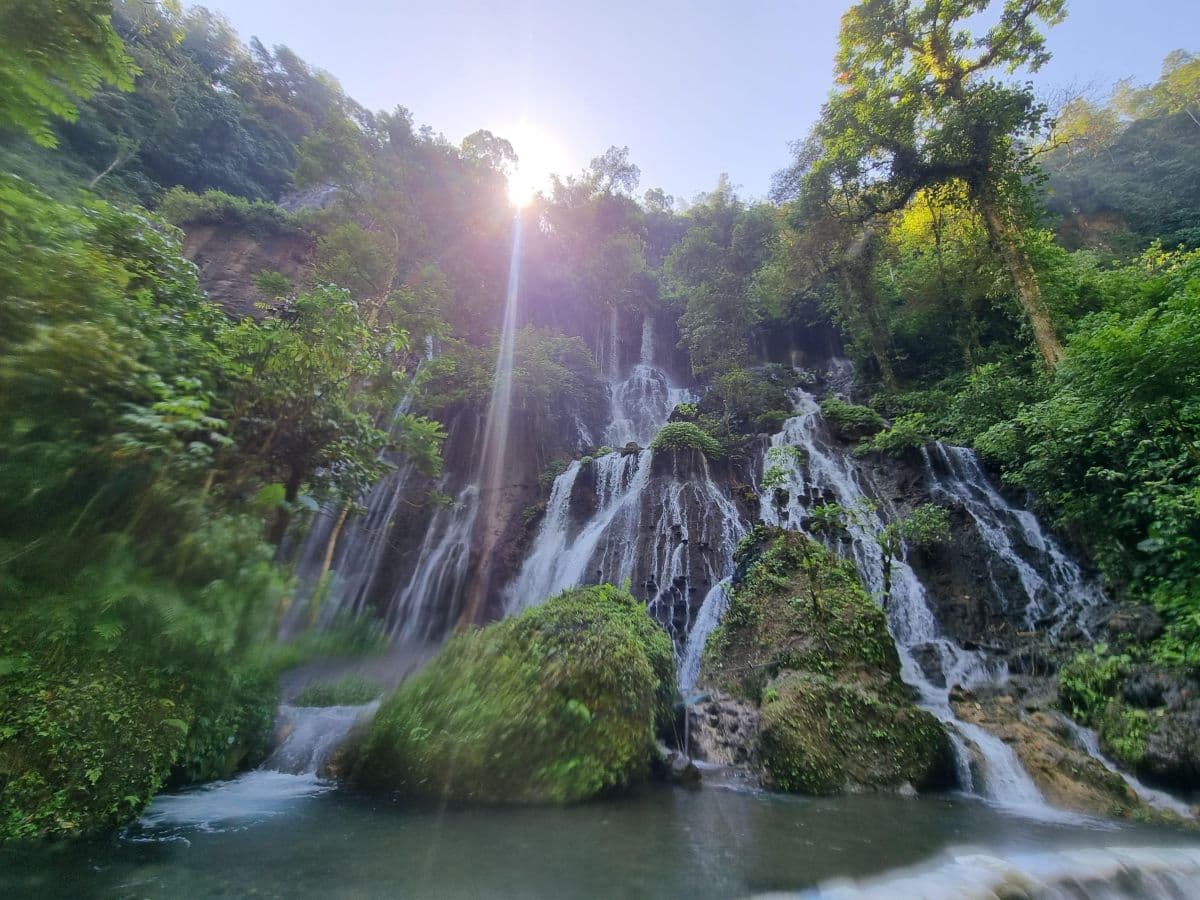
If you are planning a Road Trip through East Java that takes in Bromo, Ijen, and the surrounding landscapes, aim for July or August for the clearest conditions.
Avoid: Travelling during Lebaran (Eid al-Fitr) if you want a relaxed experience. Hotels book out far in advance, roads become congested, and many local businesses close. The dates shift each year based on the Islamic calendar.
---
What to See and Do

House of Sampoerna: A beautifully preserved Dutch colonial building that tells the story of Indonesia's kretek (clove cigarette) industry. The complex includes a museum, a working factory floor you can observe from above, and a good cafe. Free entry.
Kota Lama (Old Town): The area around Jembatan Merah (Red Bridge) and the riverfront is where the Dutch colonial footprint is most visible. Architecture here dates back to the 17th and 18th centuries.
Submarine Monument (Monumen Kapal Selam): A decommissioned Soviet-era submarine that you can walk through. Surprisingly interesting and a genuine conversation piece.
Tunjungan Plaza and Galaxy Mall: If you want to understand how Surabayans actually spend their leisure time, the city's malls are worth at least one visit. They are social spaces as much as shopping destinations. At Galaxy Mall 3, you can find Timezone Galaxy Mall 3, a well-equipped arcade on the fourth floor that works well for families with older kids.
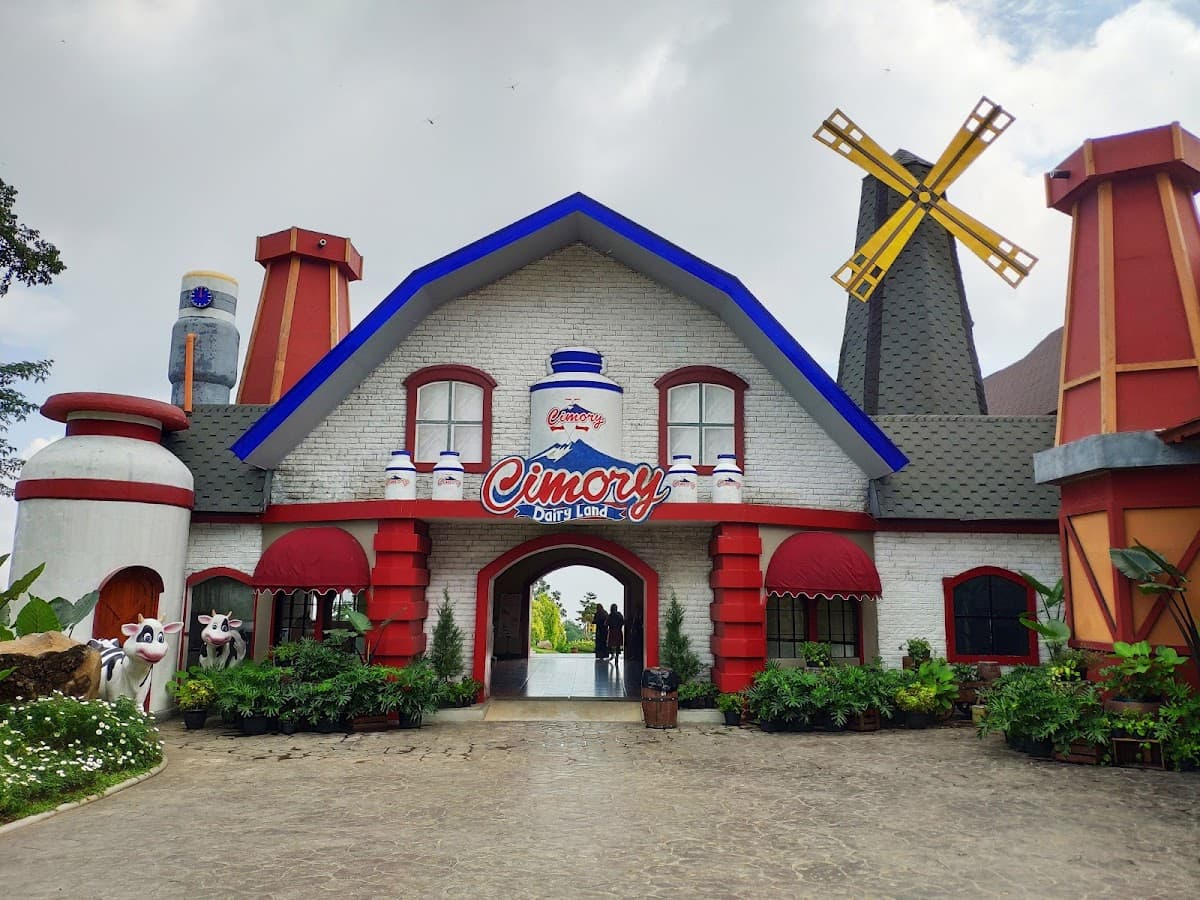
For families: KidZania Surabaya is one of the best-run locations in the KidZania network, offering children a chance to role-play careers in a purpose-built mini city. Kraton Waterpark is another strong family option, particularly during the dry season. If you have younger children and want something a little different, Dairyland Farm Theme Park Prigen is located about an hour from the city and combines animals, rides, and open-air space in a way that urban attractions cannot replicate.
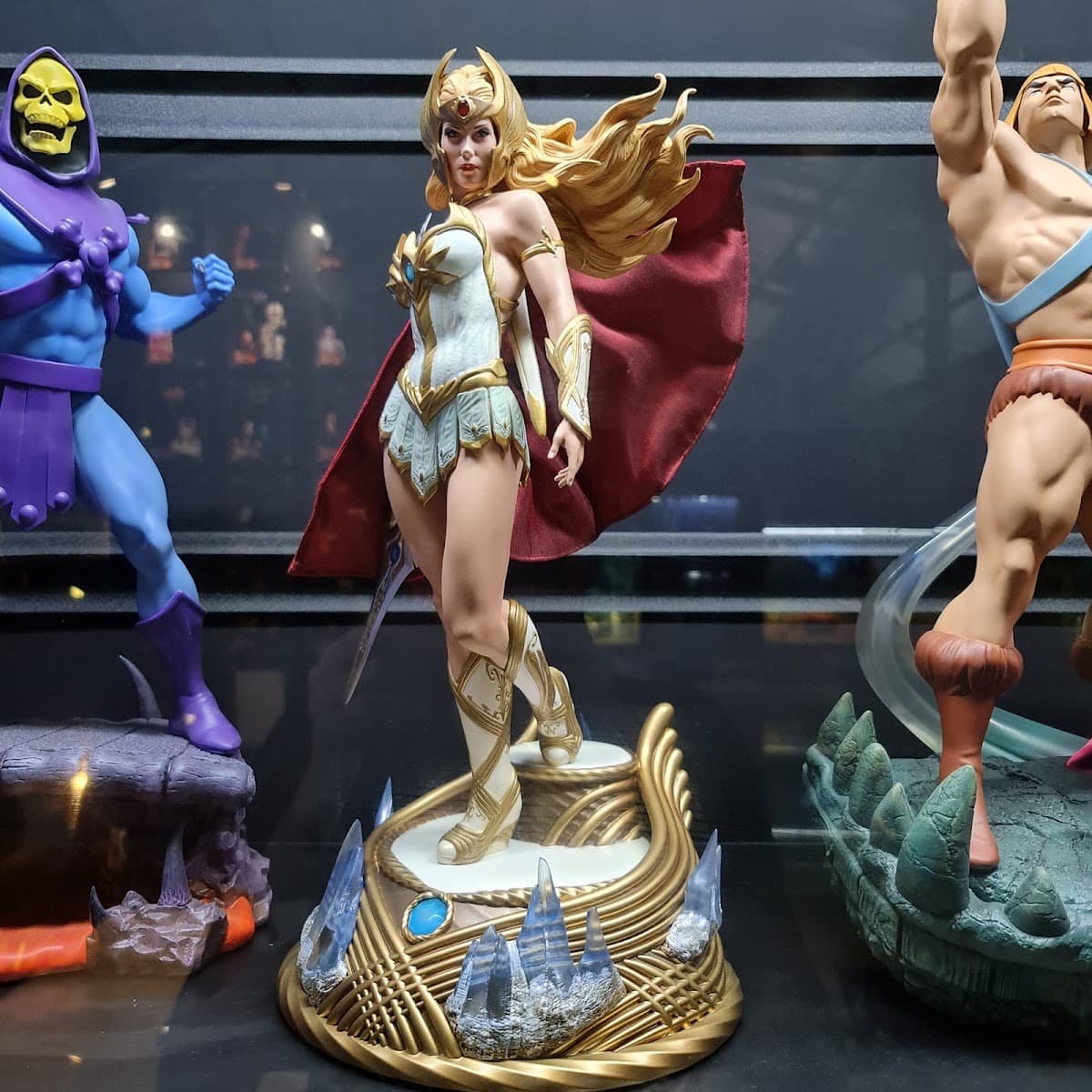
Art and pop culture: The Blockbuster Museum Surabaya is a quirky attraction housing over 1,000 iconic toy figures and cinematic memorabilia. It is the kind of place that works for teenagers and nostalgic adults equally well.
---
Where to Eat

Surabaya has one of the strongest food cultures in Indonesia, and eating well here does not require spending much money.
Rawon: A dark, rich beef soup made with kluwek (black nut) that gives it a distinctive colour and deep flavour. This is Surabaya's signature dish. Try it at Warung Rawon Nguling or Rawon Setan on Jalan Embong Malang.
Lontong Balap: A local breakfast dish of rice cakes, bean sprouts, tofu, and lentho fritters in a light broth, topped with shrimp paste. Best eaten at a street stall in the morning.
Rujak Cingur: A salad of vegetables, tofu, and sliced boiled cow's nose in a thick shrimp paste and peanut sauce. It sounds confronting and tastes excellent.
Semolowaru food street: For an evening of eating across multiple stalls without committing to a single restaurant, this area gives you range and atmosphere.
For a mid-range sit-down meal, budget around IDR 50,000 to IDR 120,000 per person. Fine dining options in hotel restaurants can reach IDR 300,000 and above per person.
---
Budget Expectations

Surabaya is an affordable city by most standards, though it is not quite as cheap as smaller Indonesian towns.
- Budget traveller: IDR 200,000 to IDR 350,000 per day (hostel dorm, street food, app-based transport)
- Mid-range traveller: IDR 500,000 to IDR 900,000 per day (three-star hotel, restaurant meals, entry fees)
- Comfortable traveller: IDR 1,200,000 and above per day (four or five-star accommodation, air-conditioned transport, guided experiences)
---
Insider Tips

1. The best coffee is not in a cafe chain. Surabaya has a serious independent coffee culture centred around Javanese and Flores beans. Look for small roasters around the Darmo and Gubeng areas. Many open early and double as neighbourhood social spaces.
2. Visit Pasar Atom early. This wholesale and retail market near the old town is worth a morning visit, but it gets uncomfortably crowded by mid-morning. Arrive before 8am to move freely and see it at its most interesting.
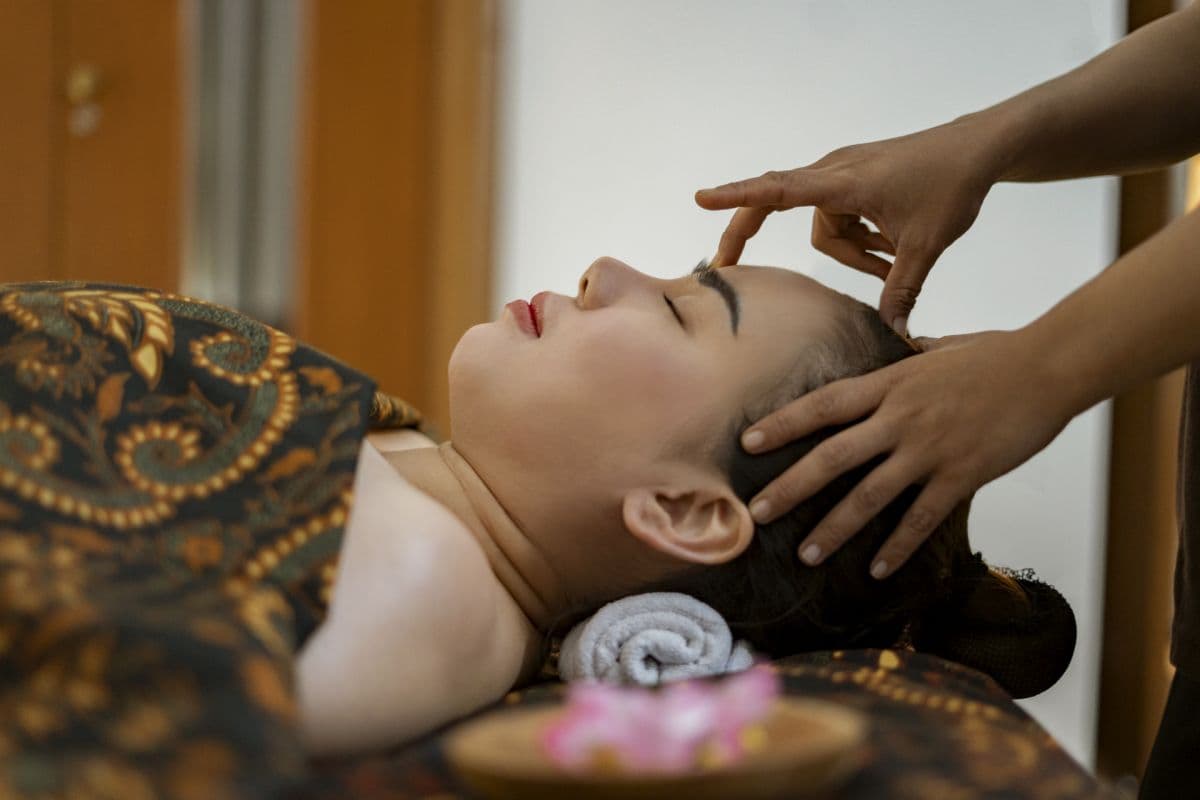
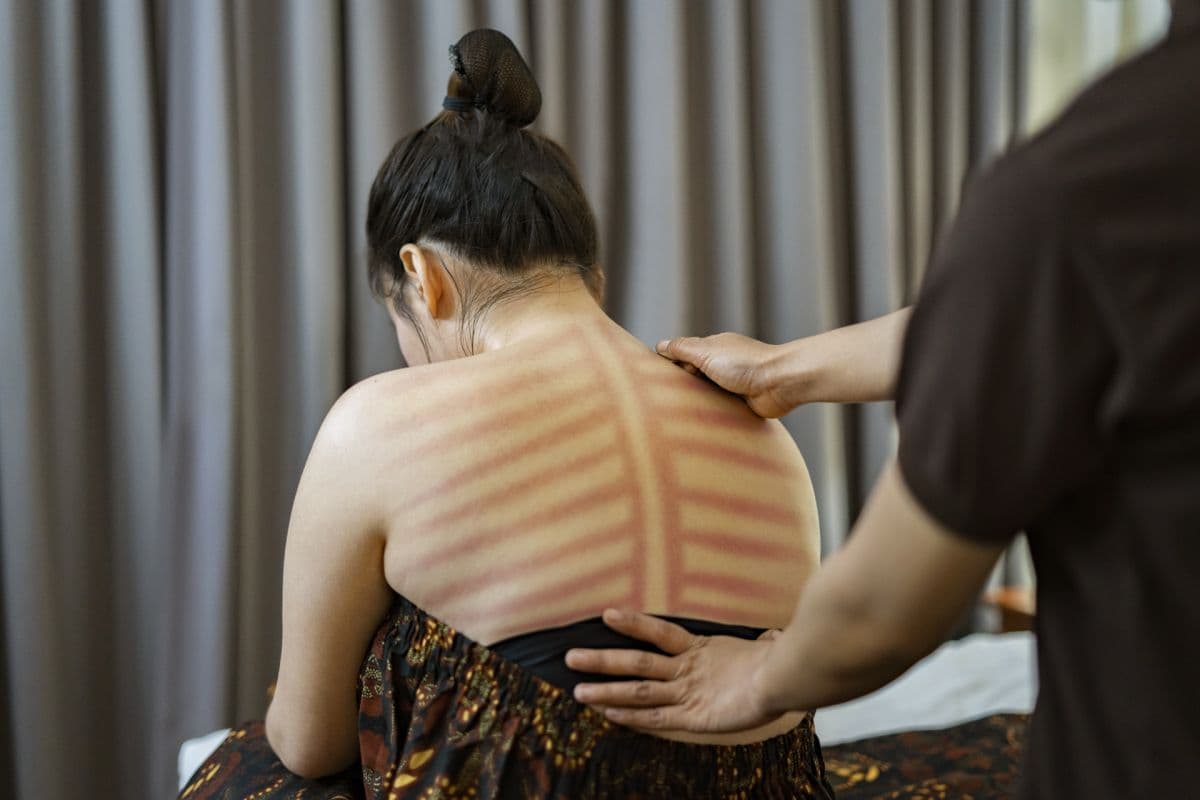
3. Book a home spa instead of a hotel spa. If you want a proper massage without paying hotel prices, Pijatku Homespa sends trained therapists to your accommodation. It is significantly cheaper than in-hotel treatments and more convenient than finding a reputable walk-in parlour in an unfamiliar area.
---
Practical Tips
- Language: Bahasa Indonesia is the primary language. English is spoken in hotels and larger restaurants but less common in markets and street stalls. Learning a few basic phrases goes a long way.
- Currency: Indonesian Rupiah (IDR). ATMs are widely available. Inform your bank before travelling.
- SIM card: Purchase a local SIM at the airport arrivals hall. Telkomsel and XL Axiata offer good coverage. Data is inexpensive.
- Tap water: Not safe to drink. Buy bottled water or use a filtered bottle.
- Dress: Surabaya is a predominantly Muslim city. Dress modestly when visiting mosques and more conservative neighbourhoods. Shoulders and knees covered is the standard expectation.
- Safety: The city is generally safe for travellers. Standard precautions apply, particularly around crowded markets.
Surabaya rewards those who slow down and engage with it on its own terms. It is not a city designed for tourism, which is precisely what makes it interesting.