
Pisa Travel Guide: Plan Your Perfect Trip
By Matt Cuckston, Founder & Travel Technology Expert at TixLayer
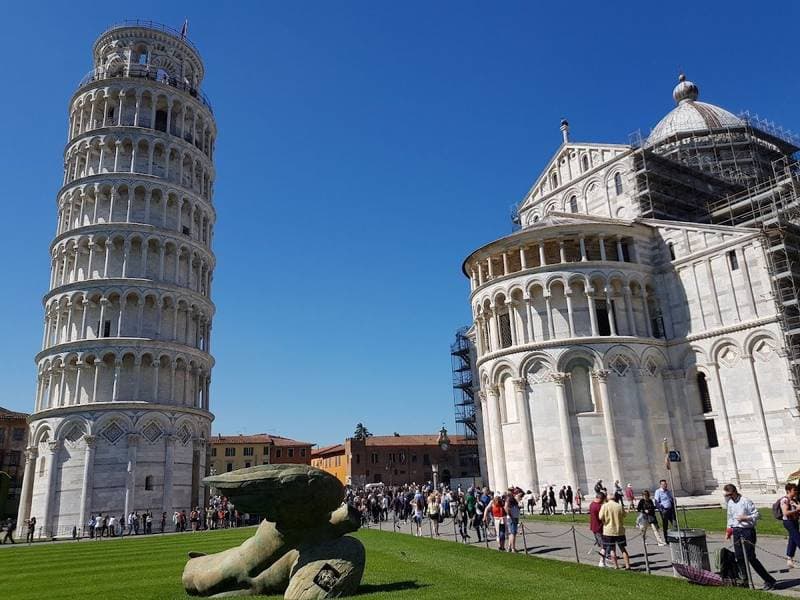
Most people treat Pisa as a quick stop on the way to Florence or the Cinque Terre. They arrive, photograph the tower at an angle, and catch the next train out. It's understandable, but it means missing a genuinely rewarding Tuscan city with a real university culture, excellent food, and a historic centre that rewards slow exploration. This Pisa travel guide covers everything you need to know, from getting there to where to eat dinner, so you can plan a trip that goes well beyond the famous lean.
If you're looking for things to do in Pisa that go beyond the obvious, you're in the right place.
---
Getting to Pisa
Pisa is one of the easiest cities in Tuscany to reach. Galileo Galilei International Airport sits just 2 kilometres from the city centre, making it one of Italy's most conveniently located airports. Direct flights connect Pisa with dozens of European cities, and the airport is a practical entry point for exploring all of Tuscany.
From the airport, the Pisa Mover automated train runs every few minutes to Pisa Centrale station. The journey takes around five minutes and costs just a few euros. If you're travelling with luggage or arriving late at night, a private Pisa Airport Transfer is a stress-free alternative that takes you directly to your accommodation.
By train, Pisa Centrale connects to Florence in about an hour and to Rome in around three hours. The station is well-served by both Trenitalia and Italo, and tickets are affordable when booked in advance. From the Cinque Terre, change at La Spezia for a straightforward connection.
---
Getting Around the City
The historic centre is compact and almost entirely walkable. From Pisa Centrale, you can reach the Campo dei Miracoli (the square containing the Leaning Tower) on foot in about 20 minutes, or take a bus from outside the station in under 10. Taxis are available but rarely necessary for sightseeing.
Cycling is popular among locals, and rental bikes are available near the station and along the riverfront. The flat terrain makes it an easy and enjoyable way to cover more ground. For day trips to Lucca or the coast, the regional train network is reliable and inexpensive.
---
Best Neighbourhoods to Stay In
Centro Storico is the obvious choice for first-time visitors. Staying here puts you within walking distance of every major sight and the best restaurants. It can feel quiet after dark, but that's not necessarily a disadvantage.
Around Piazza delle Vettovaglie is worth considering if you want to be closer to where locals actually spend their evenings. This market square and its surrounding streets are the social heart of the city, full of bars, cafes, and small restaurants that don't cater primarily to tourists.
Across the Arno in Borgo Stretto offers a slightly different perspective, with elegant arcaded streets and a more residential feel. It's still central and gives easy access to both the river and the historic sights.
---
When to Visit Pisa
April, May, and early June are the best months to visit. Temperatures are comfortable (typically 18 to 24°C), the city is busy but not overwhelmed, and the light in late afternoon is exceptional for photography around the Campo dei Miracoli.
September and October are equally good. The summer crowds have thinned, the weather remains warm, and accommodation prices drop noticeably. October in particular is one of the most pleasant months to walk the city.
July and August are the most challenging months. Temperatures regularly exceed 35°C, the area around the Leaning Tower becomes extremely crowded, and queues for attractions can be long. If you must visit in summer, arrive at the Campo dei Miracoli before 9am or after 6pm.
Winter (December to February) is quiet, cool, and occasionally rainy. The city takes on a different character without the tourist crowds, and you'll find it easier to appreciate the architecture and local life. Many smaller restaurants and shops close for portions of January.
---
What to See and Do

The Campo dei Miracoli
No guide would be complete without it. The Piazza dei Miracoli is genuinely one of the most impressive medieval squares in Europe, and the concentration of monuments, the Cathedral, the Baptistry, the Leaning Tower, and the Camposanto cemetery, in a single grassy field is extraordinary.
Book your entrance ticket to the Leaning Tower and Cathedral in advance. Tower access is timed and sells out, particularly in spring and summer. Climbing the 294 steps to the top is worth it for the views across the rooftops toward the Arno and the hills beyond.
For a richer experience of the square, the Square of Miracles Guided Tour with Optional Leaning Tower Tickets provides expert context for the architecture and history that you'd otherwise miss entirely. The Camposanto, the monumental cemetery on the north side of the square, is often overlooked but contains remarkable frescoes and a serene cloister. You can book reserved entrance to the Graveyard and Cathedral to skip the queues.
Beyond the Tower
The Borgo Stretto is Pisa's main pedestrian street, lined with medieval arcades and worth a slow walk. The Piazza dei Cavalieri, designed by Vasari for the Knights of St Stephen, is architecturally striking and usually calm. The Palazzo della Carovana, now part of the Scuola Normale Superiore, has a facade covered in sgraffito decoration that most visitors walk past without stopping.
The Museo Nazionale di San Matteo, housed in a former convent along the Lungarno, holds one of the best collections of medieval Pisan art in existence, including works by Masaccio and Simone Martini. Entry is inexpensive and the museum is rarely crowded.
If you'd like a structured introduction to the city beyond the Campo, a 2-hour guided walking tour of Pisa covers the key sights with a knowledgeable local guide. Alternatively, the 7 Wonders of Pisa Exploration Game and Tour is a self-guided option that works particularly well for families or anyone who prefers to explore at their own pace.
---
Where to Eat
Pisa has a strong food culture that benefits from its university population and proximity to both the sea and the Tuscan countryside. Expect excellent pasta, fresh seafood, and the kind of no-frills trattorias that prioritise quality ingredients over atmosphere.
Osteria dei Cavalieri near Piazza dei Cavalieri is a reliable choice for traditional Tuscan cooking at reasonable prices. Arrive early or book ahead.
La Mesita near the market is popular with locals for lunch and serves generous portions at low prices. It fills up fast.
For a quick and cheap meal, the market stalls around Piazza delle Vettovaglie sell sandwiches, focaccia, and local street food throughout the morning.
Avoid the restaurants immediately adjacent to the Leaning Tower. They exist almost entirely for tourist traffic and charge significantly more for noticeably less.
---
Budget Expectations
Pisa is moderately affordable by Italian standards. A mid-range dinner with wine costs around 25 to 40 euros per person. Accommodation ranges from budget hostels near the station at 25 to 40 euros per night to comfortable three-star hotels in the centre at 80 to 130 euros. The main costs are attraction tickets: climbing the tower costs around 20 euros, and combined tickets for multiple monuments offer better value.
Day-to-day costs like coffee, transit, and casual lunches are very reasonable. A coffee at a bar costs around 1.20 euros if you drink it standing at the counter, as locals do.
---
Insider Tips
The tower looks better from the east. Most visitors photograph it from the western lawn, which is where the official tourist area is. Walk around to the eastern side of the Campo dei Miracoli in the late afternoon and you'll find far fewer people and better light for photography.
The Lungarno at night is worth your time. The stretch of riverfront between Ponte di Mezzo and Ponte della Fortezza is where Pisa's university students and young locals gather in the evenings. It's lively, unpretentious, and gives you a much more accurate picture of daily life in the city than the tourist centre does.
The Certosa di Calci is 15 minutes from the centre. This 14th-century Carthusian monastery in the hills east of the city is one of the largest in Italy and almost unknown to visitors. The complex includes a natural history museum and the monks' private gardens. It's easily reached by local bus and is one of the most rewarding half-day trips you can make from the city.
---
Practical Tips
- Book Leaning Tower tickets at least a week ahead in peak season. Slots fill up quickly.
- Most churches and monuments have a dress code. Bring a scarf or light layer to cover shoulders.
- Tap water is safe to drink throughout the city.
- The area immediately around the Campo dei Miracoli has limited parking and is best approached on foot or by bus.
- Many smaller businesses still close for a few hours in the early afternoon. Plan your shopping and sightseeing accordingly.
Pisa rewards visitors who give it more than a few hours. With the right planning, it makes for one of the most satisfying stops in all of Tuscany.


