Normandy Travel Guide: Plan Your Perfect Trip
By Matt Cuckston, Founder & Travel Technology Expert at TixLayer
Normandy is one of France's most layered and rewarding regions. Whether you're drawn by the weight of World War II history, the dramatic coastline, the rolling apple orchards, or the cream-soaked cuisine, there is no shortage of reasons to visit. This Normandy travel guide covers everything from getting here to what to eat, so you can spend less time researching and more time exploring. If you're wondering about the best things to do in Normandy, the answer depends entirely on your interests, but this guide will help you narrow it down.
Getting to Normandy
Normandy is well connected from Paris and from the UK, making it an accessible destination for both European and international travellers.
From Paris: The fastest option is the train. Direct TGV and Intercités services run from Paris Saint-Lazare to Caen (around 2 hours), Bayeux (2.5 hours), and Rouen (1.5 hours). This is the most comfortable and cost-effective way to arrive if you're coming from the French capital.
From the UK: Brittany Ferries runs regular crossings from Portsmouth to Caen (Ouistreham) and from Poole to Cherbourg. Crossing times range from 3 to 6 hours depending on the route and service. DFDS also operates a Portsmouth to Le Havre route. For those who prefer to keep their car, the ferry is an excellent option and gives you far more flexibility once you arrive.
By Air: The closest airports are Caen-Carpiquet and Deauville Saint-Gatien, though neither handles a large volume of international flights. Most travellers flying from outside Europe will land in Paris and connect by train or rental car.
Getting Around

This is where planning matters. Normandy is a rural region, and while the main towns are connected by train, the D-Day beaches, countryside villages, and coastal spots are best reached by car. If you don't have a vehicle, guided tours are the most practical solution.
Renting a car in Caen or Bayeux gives you maximum flexibility. Roads are generally well-maintained, signage is clear, and parking is rarely a problem outside of peak summer weekends.
For those without a car, the regional bus network (Nomad Car) covers many routes, though services can be infrequent. Taxis and rideshares fill some gaps, but costs add up quickly.
Guided tours are a genuinely smart choice here, especially for the D-Day sites. A knowledgeable guide adds enormous context to what you're seeing. The From Bayeux: American D-Day Sites in Normandy Full-Day Tour is a well-structured option that takes care of logistics while giving you expert commentary throughout the day. If your time is shorter, the From Bayeux: American D-Day Sites in Normandy Half-Day Tour covers the key sites efficiently.
When to Visit
Best months: May, June, and September. The weather is mild, the countryside is green, and the crowds are manageable. June is particularly atmospheric, as D-Day commemorations take place around the 6th and draw visitors from around the world, though accommodation books up fast.
July and August are the busiest months. French families holiday here in large numbers, prices rise, and popular sites like Mont Saint-Michel can feel overwhelmingly crowded. If you visit in summer, book accommodation and tours well in advance and aim to reach major attractions early in the morning.
October to March is quieter and cheaper, but some smaller attractions reduce their hours or close entirely. The weather can be grey and wet, though the landscapes have a certain stark appeal. This period suits travellers who prefer solitude over sunshine.
Spring (April to May) is arguably the most underrated time to visit. Apple trees are in bloom, the countryside looks spectacular, and you'll share the roads with far fewer tourists.
Best Areas to Base Yourself

Bayeux is the most popular base for exploring the D-Day sites. It's a handsome medieval town with a famous tapestry, good restaurants, and a range of accommodation. Distances to the beaches are short, and the town itself is worth an evening stroll.
Caen is the regional capital and the largest city in the area. It's practical, well-connected by train, and home to the outstanding Caen Memorial Museum, which provides essential context for the wartime history of the region. The city was heavily bombed in 1944 and rebuilt, so it lacks the old-world charm of Bayeux, but it's a solid base with good transport links.
Honfleur sits on the Seine estuary and has a picturesque harbour that has attracted artists for centuries. It's more expensive than other towns, but it's genuinely beautiful and well worth a night or two.
Rouen is the largest city in Upper Normandy, known for its Gothic cathedral, half-timbered streets, and its association with Joan of Arc. It's a good entry point if you're arriving from Paris by train.
What to See and Do

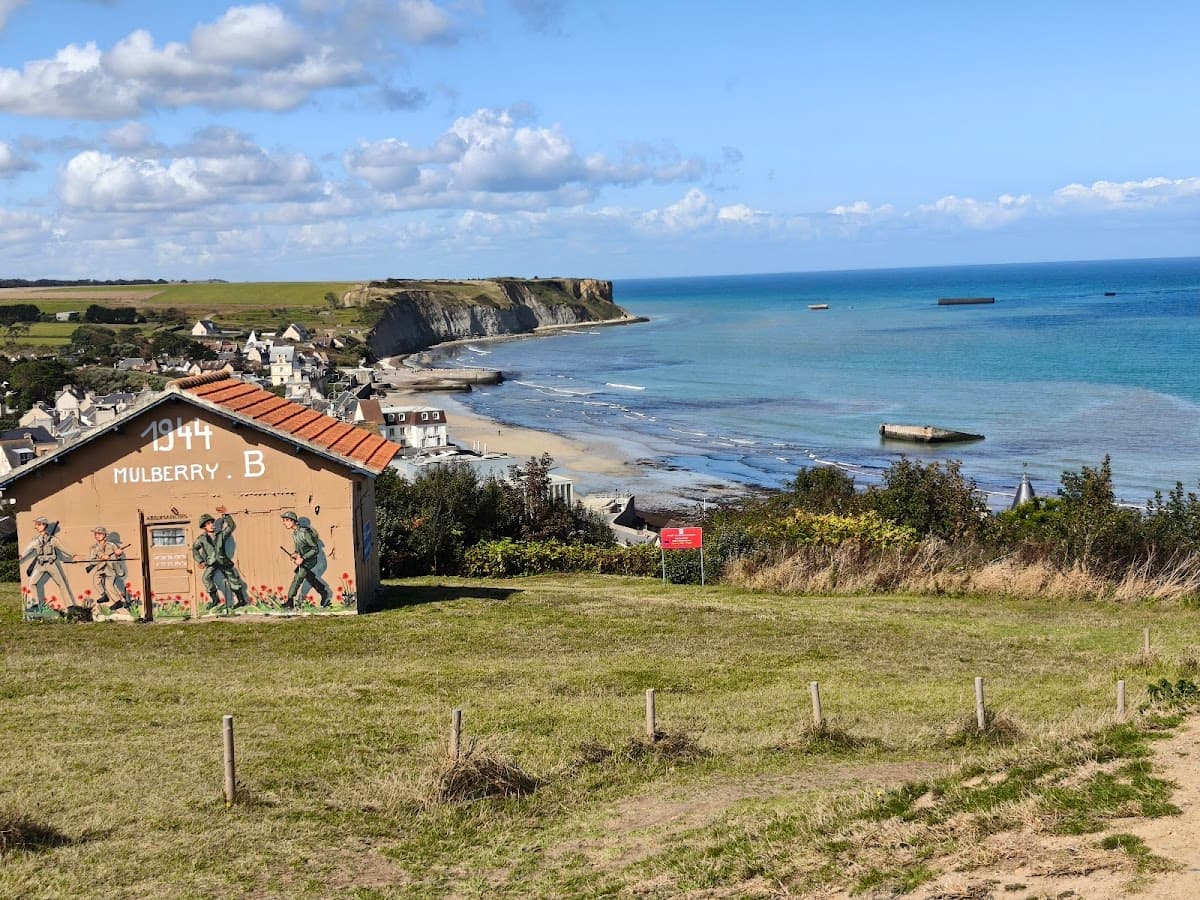
The D-Day beaches are the centrepiece of most visits. Omaha Beach, Utah Beach, and the surrounding memorials and cemeteries are profoundly moving places. The Dive into D-Day: A Guided Tour of Omaha Beach and the American Cemetery is one of the most focused and respectful ways to experience these sites.
Mont Saint-Michel is the region's other iconic attraction, a tidal island topped by a medieval abbey that draws visitors from across the world. The Mont Saint-Michel: Walking Tour & Optional Abbey Ticket gives you a structured introduction to the island, while the Mont Saint-Michel: Village History and Legends Walking Tour focuses on the stories and folklore that make the place so compelling.
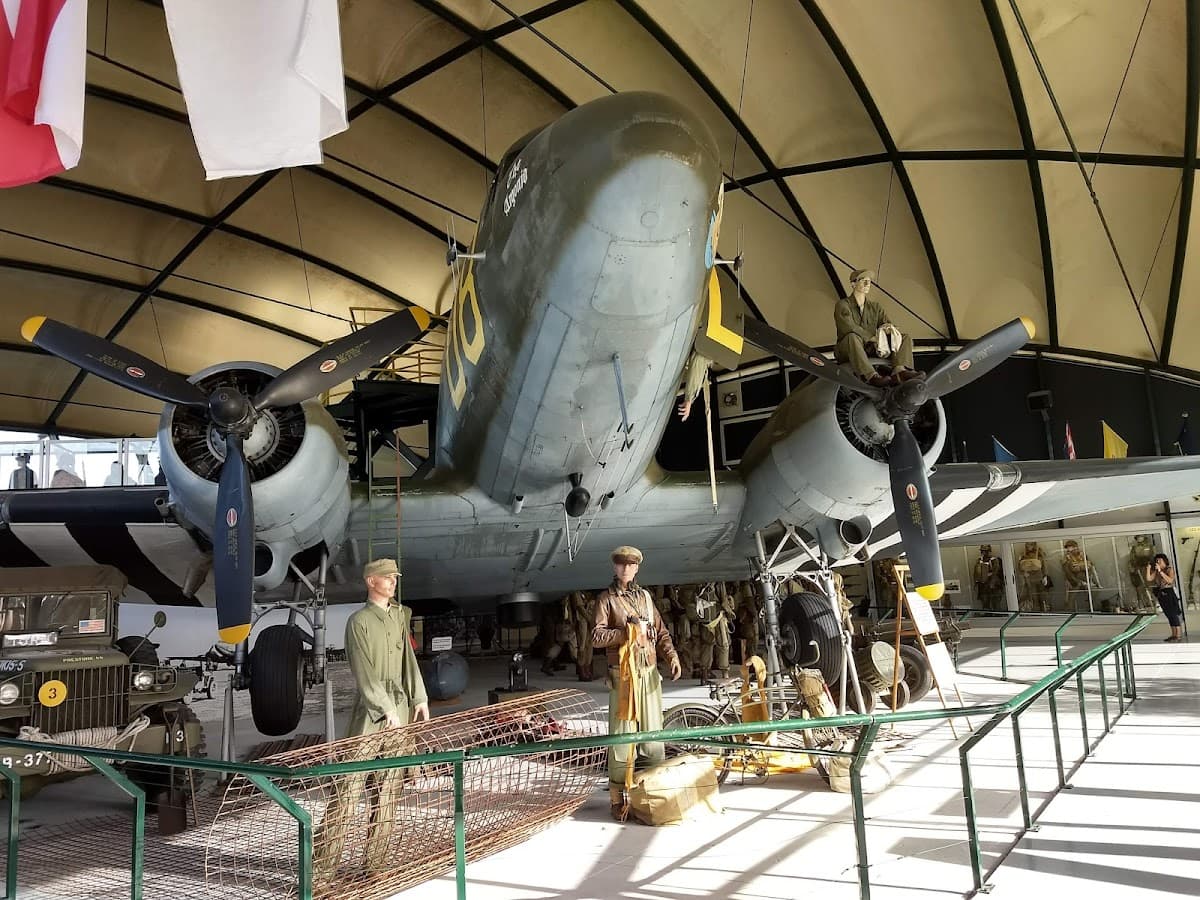
Beyond these headline attractions, don't overlook the Airborne Museum in Sainte-Mère-Église, which tells the story of the American paratroopers who dropped behind enemy lines the night before the beach landings. It's one of the most immersive WWII museums in the region.
For something completely different, the Distillerie Père Magloire in Pont-l'Évêque offers a fascinating look at Calvados production, the apple brandy that is as Norman as camembert.
Where to Eat

Normandy's cuisine is rich, dairy-forward, and deeply satisfying. The region produces some of France's finest cheeses, including Camembert, Livarot, and Pont-l'Évêque. Cream and butter appear in almost everything, and the local cider and Calvados are essential accompaniments.
In Bayeux, look for traditional Norman brasseries serving moules marinières, sole Normande, and tarte Tatin. In Honfleur, the harbour restaurants are touristy but the seafood is genuinely fresh. In Caen, the city's signature dish is tripes à la mode de Caen, a slow-cooked tripe stew that divides opinion but is worth trying at least once.
Markets are excellent across the region. The Saturday market in Bayeux is a particularly good place to pick up cheese, charcuterie, and local produce.
Budget Expectations
Normandy sits comfortably in the mid-range for France. It is significantly more affordable than Paris, though Honfleur and Deauville skew more expensive due to their popularity with wealthy Parisians.
A mid-range hotel in Bayeux or Caen will cost between €80 and €140 per night. A restaurant meal with wine sits around €30 to €50 per person. Car rental adds €40 to €70 per day depending on the vehicle and season. Guided tours range from €30 for a half-day to €100 or more for full-day private experiences.
Travellers on a tighter budget can keep costs down by visiting in spring or autumn, self-catering where possible, and using the regional bus network rather than taxis.
Insider Tips

Visit Mont Saint-Michel at high tide, not low. Most visitors arrive when the causeway is accessible and the surrounding flats are exposed. Come when the tide is in and the island appears to float on the water. Check tide tables before you go and plan accordingly.
The D-Day cemeteries are free to enter, but the context makes all the difference. The American Cemetery at Colleville-sur-Mer is open to independent visitors at no cost, but many people leave feeling they've only scratched the surface of what happened there. A guided tour genuinely transforms the experience.
Deauville is worth a day trip, but stay in Honfleur. Deauville has the glamour and the beach boardwalk, but Honfleur has the atmosphere. Base yourself in Honfleur and take the short drive over to Deauville for the afternoon. You'll get the best of both without paying Deauville's accommodation premium.
Practical Tips
- French is the language everywhere. Basic French phrases go a long way, especially outside the main tourist centres.
- Many smaller restaurants close on Sunday evenings and Monday. Check ahead.
- The Mont Saint-Michel car parks are a long walk from the island. Budget time for the shuttle or the walk.
- Fuel stations can be sparse in rural areas. Keep your tank reasonably full.
- Mobile coverage is generally good in towns but can drop in the countryside.
Normandy rewards slow travel. Give yourself at least four or five days to move between the key areas without feeling rushed, and you'll leave with a much richer understanding of one of France's most historically significant and scenically beautiful regions.