New Orleans Travel Guide: Plan Your Perfect Trip
By Matt Cuckston, Founder & Travel Technology Expert at TixLayer
Few cities in the United States carry as much character per square mile as New Orleans. The food alone could justify a trip, but layer in the music, the architecture, the history, and the festivals, and you start to understand why people return year after year. If you're looking for things to do in New Orleans, you'll find no shortage of options, from world-class museums to late-night jazz cruises on the Mississippi. This guide is designed to help you plan a trip that actually suits you, not just the highlights reel.
Getting to New Orleans
Louis Armstrong New Orleans International Airport (MSY) is the main entry point for most visitors. It sits about 15 miles west of the city centre and was significantly upgraded in 2019. Direct flights connect New Orleans to most major US hubs, and transatlantic routes are available through connecting cities like Atlanta, Miami, and New York.
From the airport, rideshares (Uber and Lyft) are the most convenient option and typically cost $30 to $45 into the French Quarter. Taxis are available at a flat rate of $36 for up to two passengers. There is no direct rail link from the airport to the city, though Amtrak does serve New Orleans Union Passenger Terminal downtown, with three long-distance routes connecting to Chicago, Los Angeles, and New York.
Driving into New Orleans is straightforward via I-10, though parking in the French Quarter and surrounding neighbourhoods is limited and expensive. If you're planning to spend most of your time in the core neighbourhoods, leave the car at home.
Getting Around the City
New Orleans is a walkable city in its central areas, but the distances between neighbourhoods can add up quickly. Here's what works:
Streetcar: The iconic St. Charles streetcar line runs from Canal Street through the Garden District and Uptown. It's cheap ($1.25 per ride with a Jazzy Pass), scenic, and genuinely useful. The Canal Street and Rampart/St. Claude lines extend your reach further.
Rideshare: Uber and Lyft are widely available and reasonably priced. Useful for getting to the Bywater, Tremé, or Mid-City without waiting for a streetcar.
Cycling: The city has improved its cycling infrastructure in recent years. Bike share stations (Blue Bikes) are dotted around the central areas and cost around $5 for a 30-minute ride.
Walking: The French Quarter is entirely walkable. The Garden District and Magazine Street are also easy on foot if you're comfortable with 20 to 30-minute walks.
Best Neighbourhoods to Stay In
French Quarter: The historic core. Staying here puts you close to everything, but expect noise, especially on weekends. Best for first-time visitors who want to be in the middle of it all.
Garden District: Quieter, more residential, and lined with stunning antebellum mansions. A short streetcar ride from the Quarter. A good choice if you want character without the chaos.
Marigny and Bywater: Artsy, local-feeling, and home to some of the best live music venues in the city. Frenchmen Street here is where many locals go instead of Bourbon Street.
Uptown: Leafy and residential, with great restaurants along Magazine Street. A solid base if you're visiting with family or prefer a slower pace.
CBD and Warehouse District: Home to major museums and convention facilities. More business-oriented, but convenient and often more affordable.
When to Visit New Orleans
Timing matters a great deal here.
Best months: October through April offers the most comfortable weather, with temperatures in the 60s and 70s Fahrenheit. February brings Mardi Gras, which is an experience unto itself if you plan well in advance. Jazz Fest in late April and early May is another peak period worth planning around.
Shoulder season: November and early December are often overlooked but offer mild weather, fewer crowds, and lower hotel rates.
What to avoid: June through September is hurricane season, and the heat and humidity during this period can be genuinely oppressive. Temperatures regularly hit the mid-90s with humidity that makes it feel significantly hotter. Budget travellers sometimes find good deals during this period, but comfort comes at a cost.
Mardi Gras note: If you're coming for Mardi Gras, book accommodation at least six months in advance. Prices triple or quadruple during peak parade weeks.
What to See and Do
History and Museums
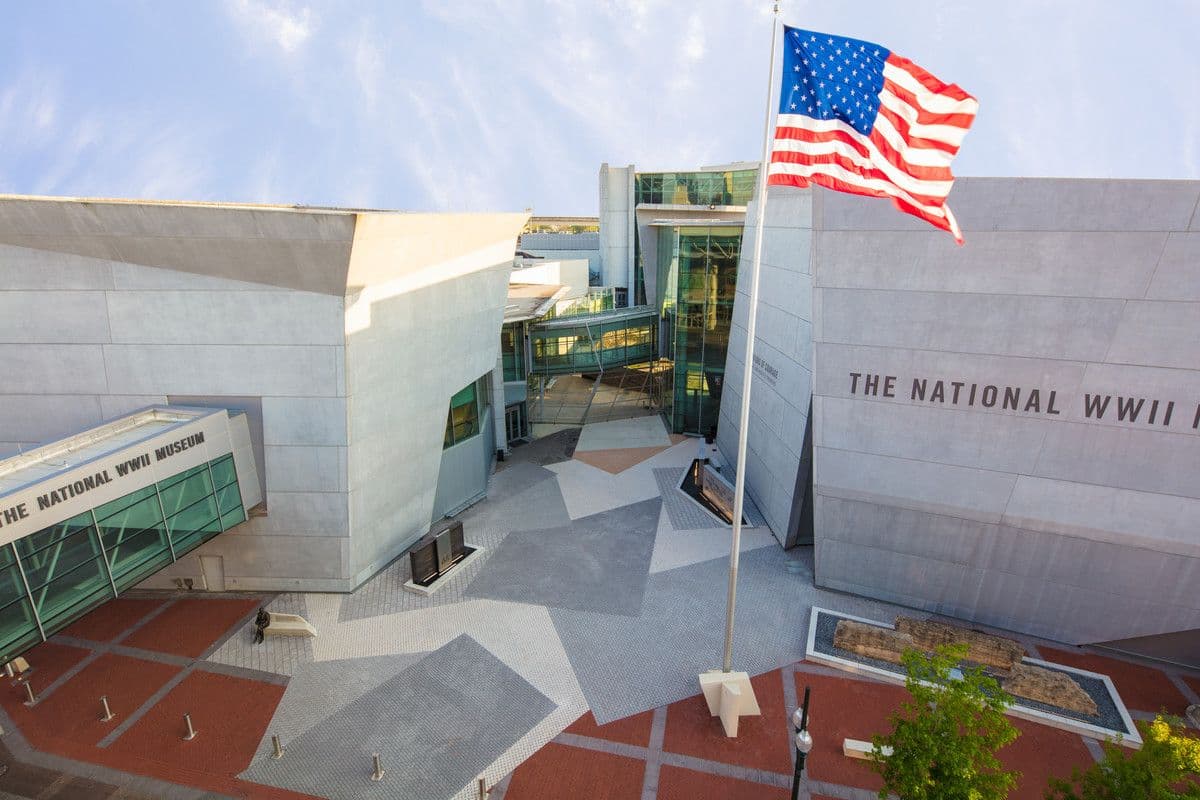
The National WWII Museum is consistently rated one of the best museums in the United States, and it earns that reputation. The exhibits are immersive, emotionally affecting, and rigorously researched. Plan at least half a day. If you want to make the most of your visit, the Campus Pass plus 4-D Film gives you all-day access across the full campus, which spans multiple pavilions.
On the Water
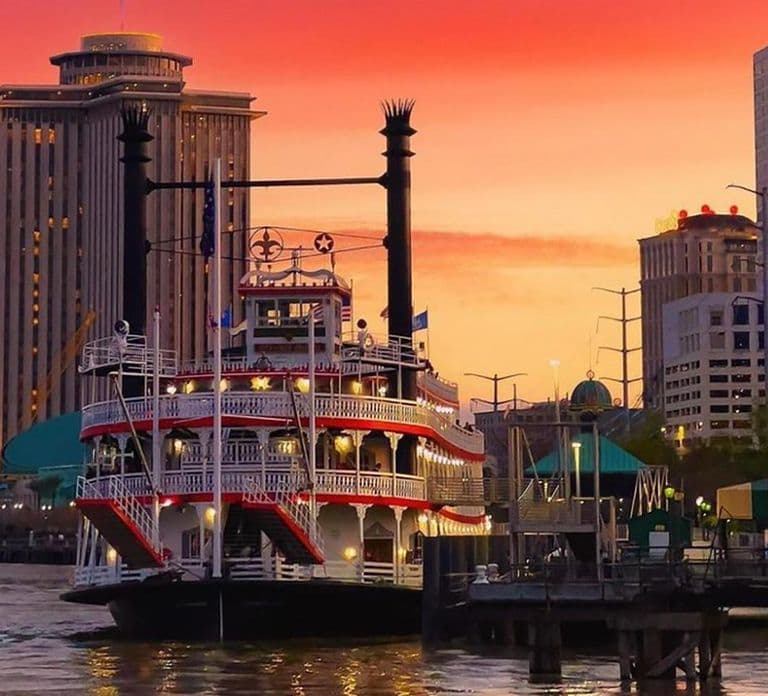
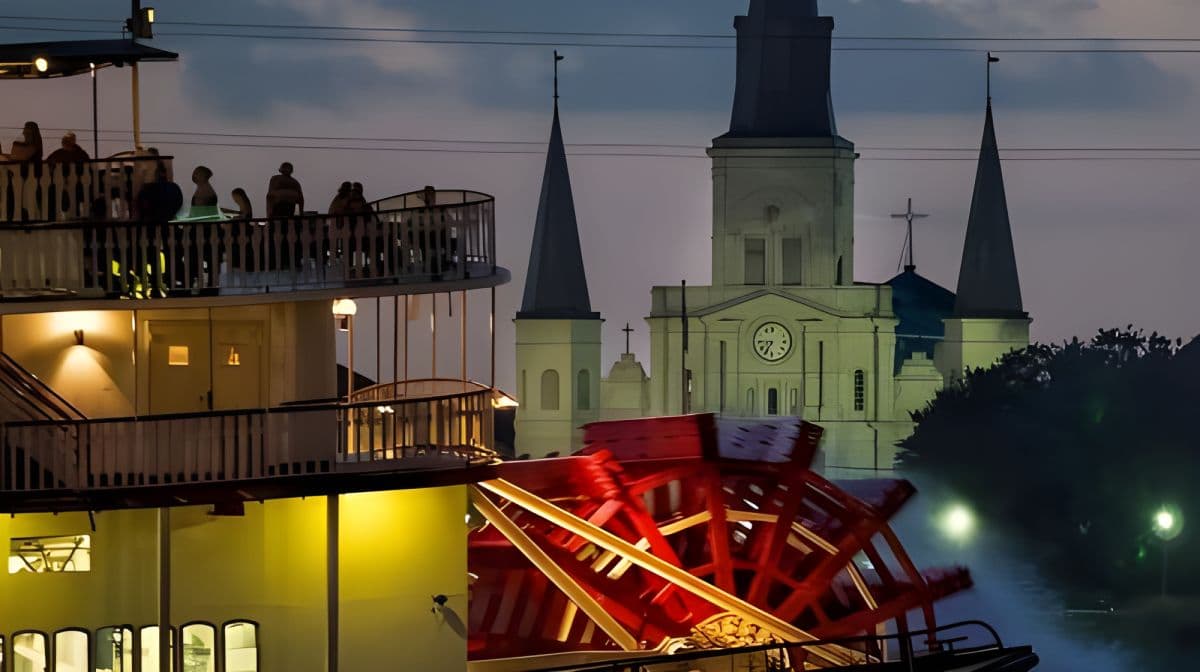
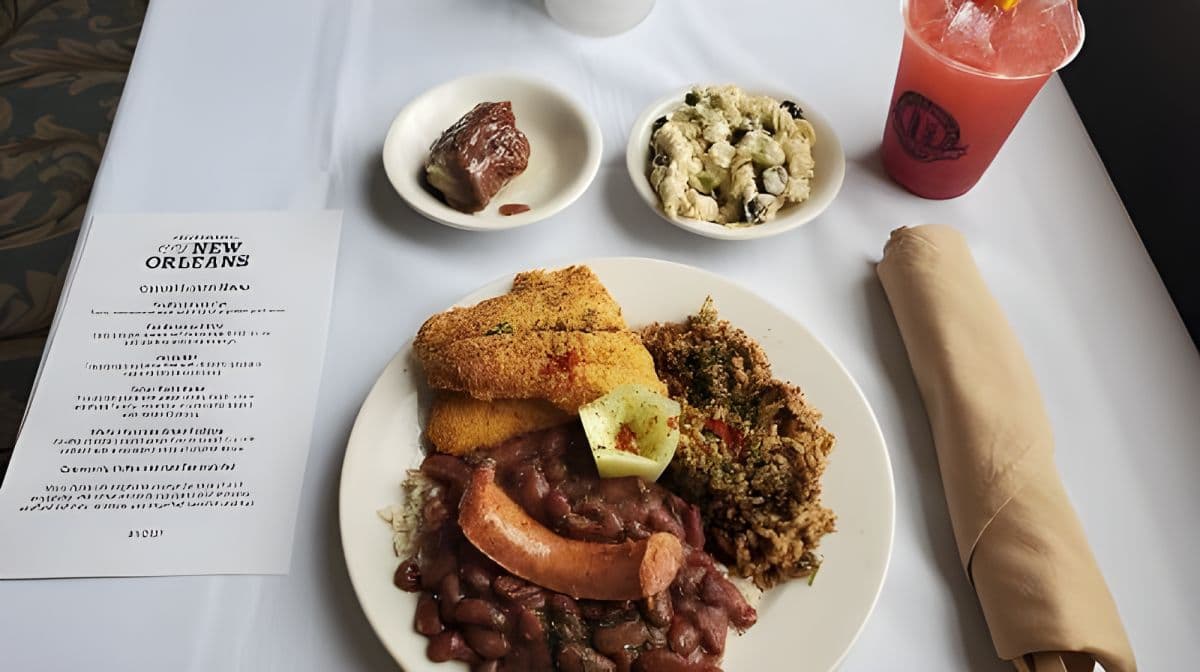
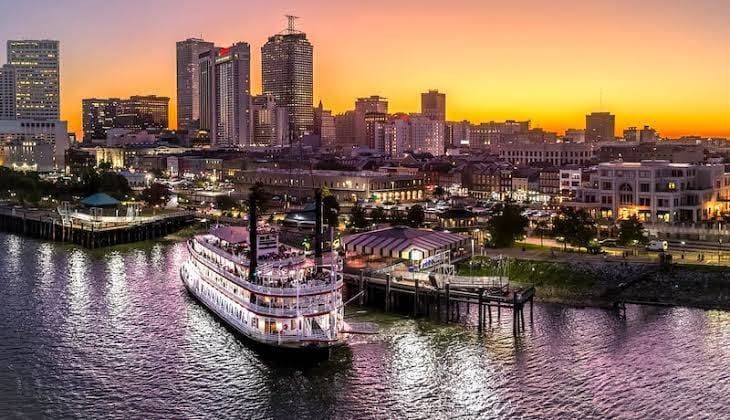
A cruise on the Mississippi is one of those experiences that sounds touristy but genuinely delivers. The Steamboat Natchez Harbour Cruise offers daytime views of the river and the city skyline, while the Steamboat Natchez Jazz Dinner Cruise turns it into a full evening with live music and a meal. Either option is a legitimate highlight.
Neighbourhoods and Architecture
The Garden District rewards slow exploration. The Garden District and Lafayette Cemetery Walking Tour provides context that makes the mansions and above-ground tombs far more interesting than they'd be on your own. If you prefer to set your own pace, the New Orleans Garden District self-guided walking tour is a flexible alternative.
After Dark
The city's reputation for nightlife is well-earned. The New Orleans haunted pub crawl is a fun way to explore the French Quarter at night while learning about its darker history. For something more culturally layered, the Gates of Guinee voodoo tour takes you into the history of Louisiana Voodoo in a way that's respectful and genuinely fascinating.
Where to Eat
New Orleans has one of the most distinct food cultures in the country. A few essentials:
Breakfast and brunch: Café Du Monde for beignets is obligatory, but don't stop there. Café Reconcile in Central City does a community-focused Southern breakfast worth seeking out. For something with music, the New Orleans jazz brunch combines live performance with a proper sit-down meal.
Lunch: Domilise's for a roast beef po'boy. Dooky Chase's for red beans and rice. Both are institutions.
Dinner: Commander's Palace in the Garden District is a splurge but a worthwhile one. For something more casual, Bacchanal Wine in the Bywater offers excellent charcuterie and live music in the backyard.
Late night: Dat Dog on Frenchmen Street. Reliable, cheap, and open when most other places are not.
Budget Expectations
New Orleans sits in the middle of the American city cost spectrum. It's not as expensive as New York or San Francisco, but it's not cheap either, especially during festival periods.
Budget traveller: $100 to $150 per day, staying in a hostel or budget hotel, eating po'boys and plate lunches, and sticking to free attractions like the French Quarter and Frenchmen Street.
Mid-range: $200 to $300 per day, covering a decent hotel, sit-down meals, and a mix of paid attractions and tours.
Splurge: $400 and up, with boutique hotels, tasting menus, and premium experiences like private tours or Jazz Fest VIP packages.
One useful shortcut for mid-range travellers: the Go City New Orleans All-Inclusive Pass covers more than 25 attractions and tours under a single price, which can represent solid savings if you're planning a packed itinerary.
Insider Tips
Skip Bourbon Street on Friday and Saturday nights. The street itself is worth a look, but the crowds on weekends make it unpleasant. Go on a Tuesday or Wednesday evening instead, when the atmosphere is more relaxed and you can actually move.
Eat where the funeral second lines stop. When a jazz funeral procession passes a restaurant and the band pauses outside, that's usually a sign the place has deep roots in the community. It sounds like a strange tip, but locals know which spots get that kind of respect.
The Tremé neighbourhood predates the French Quarter in terms of African American cultural history. Most visitors walk straight past it. Spending an afternoon there, visiting St. Augustine Church and the Backstreet Cultural Museum, gives you a perspective on New Orleans that the tourist trail rarely offers.
Practical Tips
- Carry cash. Many smaller restaurants, bars, and food stalls are cash-only.
- Drink water constantly during summer months. The heat is serious.
- Book accommodation and tours well in advance for Mardi Gras, Jazz Fest, and New Year's Eve.
- The city's tap water is safe to drink but has a distinctive taste. A reusable bottle with a filter is worth packing.
- Tipping culture is strong here. 20% at restaurants is standard.
New Orleans rewards travellers who take their time and move beyond the obvious. The food, the music, and the history are all richer once you get past the surface layer. Plan well, pack light, and come hungry.