Nara Travel Guide: Plan Your Perfect Trip
By Matt Cuckston, Founder & Travel Technology Expert at TixLayer
If you are putting together a Japan itinerary and wondering about things to do in Nara, you are in the right place. This ancient city sits just 45 minutes from Osaka and about 35 minutes from Kyoto, making it one of the most accessible cultural destinations in the entire Kansai region. It served as Japan's first permanent capital in the 8th century, and that history is still very much present in the landscape today. Enormous temples, sacred shrines, and around 1,200 wild deer wandering freely through the park make it unlike anywhere else in the country.
This guide covers everything you need to plan a trip here, whether you are stopping in for a half-day or staying overnight.
---
Getting to Nara
Nara is straightforward to reach from most major Kansai cities.
From Osaka: The Kintetsu Osaka Line runs direct from Osaka-Namba Station to Kintetsu-Nara Station in around 40 minutes. The JR Yamatoji Line from Osaka Station takes slightly longer but is covered by the JR Pass. Trains run frequently throughout the day.
From Kyoto: The Kintetsu Kyoto Line connects Kyoto Station to Kintetsu-Nara Station in about 35 minutes on the limited express. JR also runs a slower service via the Nara Line, taking around 45 minutes.
From Tokyo: Shinkansen to Kyoto or Osaka, then a local connection to Nara. Budget around three hours total.
If you are planning to travel across the wider Kansai region, the Kansai Area Pass is worth looking at. It covers unlimited travel across the region and can save you a significant amount if you are moving between cities over several days. There is also a 2-Day Osaka-Nara Sightseeing Pass that bundles transport and entry to key attractions if you want a more structured option.
---
Getting Around
Once you arrive at Kintetsu-Nara Station or JR Nara Station, most of the main sights are walkable. Nara Park, Todai-ji, Kasuga Taisha Shrine, and Kofuku-ji are all within a 20 to 30 minute walk from either station.
For a more leisurely way to take in the scenery, a private rickshaw tour with Rickshaw Ebisu-ya is a genuinely enjoyable option. It covers the main areas at a relaxed pace with a knowledgeable guide, and it is particularly popular with couples and families who want to avoid the walking.
Local buses cover routes to areas slightly further out, including Horyu-ji Temple, which is about 12 kilometres southwest of the city centre. Taxis are available but not necessary for the central sights.
---
When to Visit
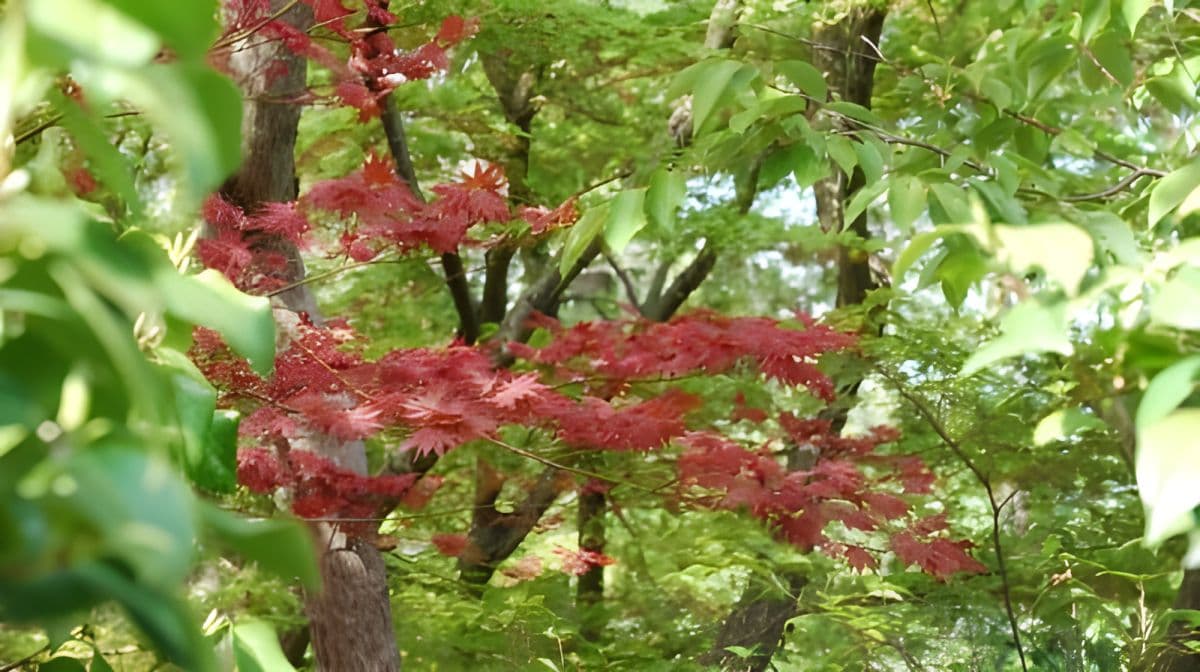
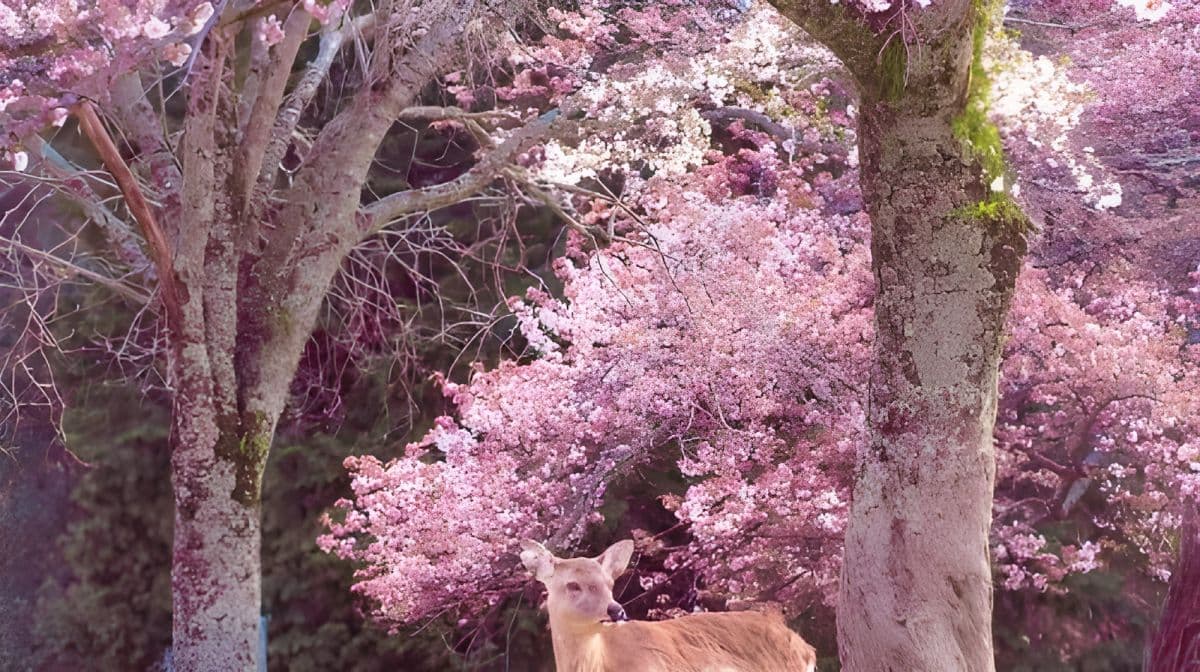
Best months: Late March to early April brings cherry blossoms to Nara Park, which is spectacular. October and November are arguably even better, when the maple trees turn and the crowds thin slightly compared to spring. The deer are still present year-round, but autumn light makes for the best photography.
Avoid if possible: Golden Week (late April to early May) and mid-August see extremely high visitor numbers. The park becomes very crowded, queues at Todai-ji stretch long, and accommodation prices spike. If you must visit during these periods, arrive early in the morning before tour groups arrive.
Winter: December through February is quieter and cheaper. The deer are still there, and on rare occasions you will see snow on the temple rooftops, which is worth the cold. Dress in layers.
Summer: July and August are hot and humid. Not unpleasant if you are prepared, but factor in rest time and carry water.
---
Best Areas to Stay
Most visitors stay in Osaka or Kyoto and day-trip to Nara, which works well given the short travel times. If you do want to stay overnight, the area around Kintetsu-Nara Station has the best concentration of hotels and guesthouses. Staying here means you can visit the park early morning before the day-trippers arrive, which is one of the best experiences the city offers.
There are also a handful of traditional ryokan in the quieter streets near Nara Park. These tend to book up fast in peak season, so reserve well in advance.
---
What to See and Do

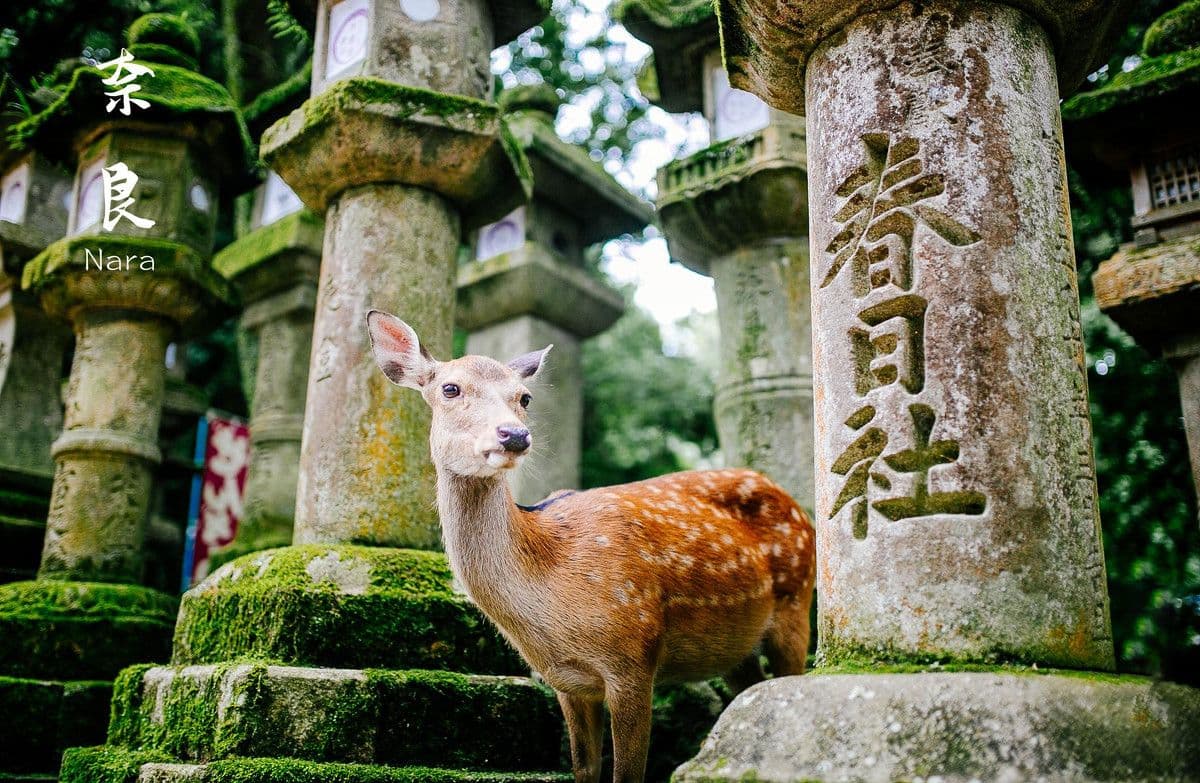
Nara Park: The starting point for any visit. The park covers around 660 hectares and connects most of the major temples and shrines. The deer here are considered sacred messengers and are remarkably tame. You can buy deer crackers (shika senbei) from vendors throughout the park.
Todai-ji Temple: Home to one of the largest bronze Buddha statues in the world, housed inside a wooden hall that is itself one of the largest wooden structures on the planet. Entry costs 600 yen for adults. Go early to avoid queues.
Kasuga Taisha Shrine: A Shinto shrine dating to 768 AD, known for its thousands of stone and bronze lanterns. The forested path leading up to it is one of the most atmospheric walks in the area.
Mount Wakakusa: A grass-covered hill on the eastern edge of the park with excellent views over the city. The climb takes about 20 minutes and is worth it on a clear day.
For a structured introduction that covers all the highlights efficiently, the Nara: Enjoy the Highlights of Nara in 3 Hours Day Tour is a solid option, especially if it is your first visit and you want context with your sightseeing.
If you want to combine Nara with a visit to Uji, the Nara Park and Uji 1-Day Tour pairs deer feeding with matcha tasting and autumn foliage in a well-paced itinerary.
For something more adventurous, the Osaka Mount Ikoma Sky Bike and Nara In-Depth One-Day Tour adds a thrilling sky bike ride at Mount Ikoma to the cultural sightseeing.
---
Where to Eat
Nara is not a major food destination in the way Osaka is, but it has some excellent options.
Kakinoha-zushi: Pressed sushi wrapped in persimmon leaves, a local speciality. Look for it at Hiraso near Kintetsu-Nara Station or at Yoshino Honke.
Miwa Somen: Thin wheat noodles that have been made in the Miwa area of Nara Prefecture for over 1,200 years. Served cold in summer and hot in winter. Several restaurants near the park serve them.
Craft beer: Nara has a small but good craft beer scene. Nara Brewing Company near the station is worth a stop in the evening.
Budget eating: Convenience stores and small teishoku (set meal) restaurants around both train stations offer filling lunches for 800 to 1,200 yen. The area around the park is more tourist-oriented and prices reflect that.
---
Budget Expectations
Nara sits comfortably in the affordable range by Japanese standards. Entry to Todai-ji is 600 yen, Kasuga Taisha's main hall is 500 yen, and the park itself is free. A comfortable day trip from Osaka including transport, entry fees, and meals can be done for around 5,000 to 7,000 yen per person. If you stay overnight in a mid-range hotel, add 8,000 to 15,000 yen per night. Ryokan with dinner and breakfast included run from 20,000 yen upward.
---
Insider Tips
Visit the NARA KINGYO MUSEUM after dark: The Nara Kingyo Museum is an art installation as much as an aquarium, featuring goldfish displayed in elaborate artistic settings. It is almost never mentioned in standard travel guides and is genuinely worth an hour of your time, particularly in the evening when the lighting effects are most impressive.
The deer are less crowded on the western side of the park: Most visitors concentrate near Todai-ji and the main approach from Kintetsu Station. Walk west toward Kofuku-ji and the streets beyond and you will find deer grazing with far fewer people around them. Early morning is best.
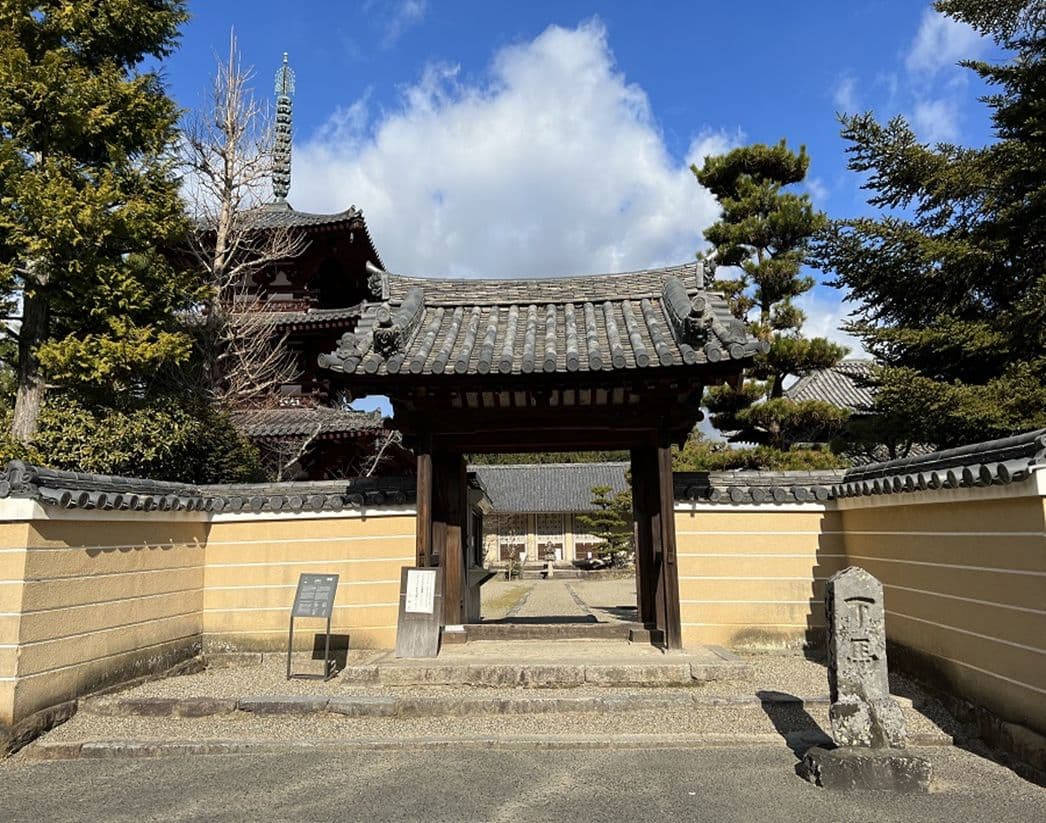
Horyu-ji is worth the extra journey: About 12 kilometres southwest of the city centre, Horyu-ji Temple contains what are considered the oldest surviving wooden structures in the world, dating to the late 7th century. Most day-trippers skip it entirely. If you have a full day, the JR line covers it and the difference in atmosphere compared to the main park area is significant.
---
Final Thoughts
Nara rewards visitors who slow down. The main sights can technically be rushed in two hours, but the city is at its best when you linger in the park at dusk, walk the quieter shrine paths, or sit down for a proper meal rather than grabbing something between temples. It is one of the few places in Japan where the most iconic experience, walking among free-roaming deer beside ancient wooden structures, is also completely free.