
Nantes Travel Guide: Plan Your Perfect Trip
By Matt Cuckston, Founder & Travel Technology Expert at TixLayer
Sitting on the Loire River roughly 50 kilometres from the Atlantic coast, Nantes rewards travellers who take the time to understand it. This Nantes travel guide is designed to give you a practical, honest planning resource covering transport, neighbourhoods, seasonal timing, food, and the things to do in Nantes that actually deserve your time. Whether you are planning a long weekend or using the city as a base for exploring western France, here is what you need to know.
---
Getting to Nantes
Nantes Atlantique Airport connects the city to major European hubs including London, Dublin, Amsterdam, and Barcelona. Budget carriers like Ryanair and easyJet serve it regularly, making it an accessible entry point for international visitors. Taxis and shuttle buses run between the airport and the city centre, with the journey taking around 20 minutes.
From Paris, the TGV high-speed train is the most convenient option. Trains depart from Paris Montparnasse and arrive at Nantes station in around two hours. This is often cheaper and less stressful than flying when you factor in airport time. Book through SNCF Connect in advance for the best fares.
If you are driving from the UK via the Channel Tunnel or ferry to Saint-Malo or Caen, Nantes is well connected by motorway and makes a logical stop on a broader France road trip.
---
Getting Around the City

Nantes has an excellent public transport network run by Tan, covering trams, buses, and a Navibus ferry service across the Loire. The tram system in particular is efficient and easy to navigate, connecting the train station, city centre, and outlying neighbourhoods without much hassle.
For visitors planning to see multiple attractions, the Nantes City Card Pass is genuinely worth considering. It covers unlimited public transport and free or discounted access to museums and attractions across 24, 48, 72-hour, or 7-day periods. If you are visiting for a weekend, the 48-hour version typically pays for itself by day two.
Cycling is another practical option. Nantes has a solid network of bike lanes and a public bike-share scheme called Bicloo, with stations across the city. Renting a bike for a day is affordable and lets you cover ground at your own pace.
---
Best Neighbourhoods to Stay In
City Centre and the Île de Nantes: The city centre around the Place du Commerce and the Château des Ducs de Bretagne is the most convenient base. The Île de Nantes, a large island in the middle of the Loire, has been transformed into a creative and cultural district and is worth a visit even if you are not staying there.
Bouffay: This is the old medieval quarter, with narrow streets, half-timbered buildings, and a good concentration of bars and restaurants. It is lively in the evenings and well-positioned for sightseeing.
Talensac and Procé: A quieter, more residential area popular with locals. Staying here gives you a less touristy experience and the Talensac market is one of the best in the city.
---
When to Visit
The best months to visit Nantes are May, June, and September. The weather is mild, crowds are manageable, and most attractions are fully operational. June in particular is excellent, with long daylight hours and the city at its most lively without the full weight of summer tourism.
July and August are peak season. The city is busier, accommodation prices rise, and the Loire-Atlantique coastline draws large numbers of French holidaymakers. If you visit in summer, book accommodation well in advance.
Winter, particularly November through February, is the least appealing time to visit. The weather is grey and wet, and some smaller attractions reduce their hours. However, fares are lower and the city feels more authentically local. The Christmas market around the Place Royale is a reasonable draw if you are travelling in December.
April and October sit in a sweet spot for budget-conscious travellers who do not mind the occasional shower.
---
What to See and Do

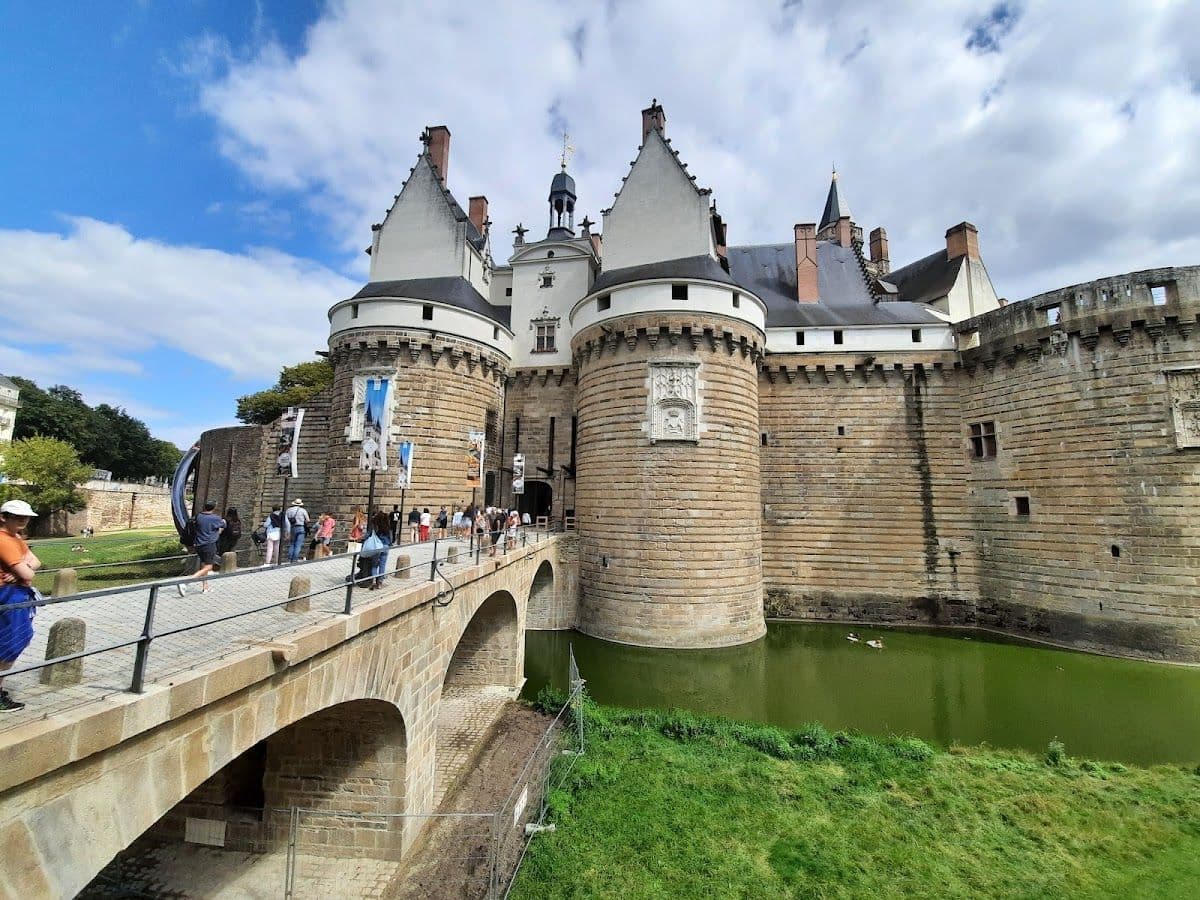
Château des Ducs de Bretagne: This is the centrepiece of the old city, a 15th-century castle that now houses the Nantes History Museum. The courtyard is free to enter and worth a visit on its own.
Les Machines de l'Île: One of the more unusual attractions in France, this workshop and exhibition space on the Île de Nantes features enormous mechanical animals inspired by Jules Verne and Leonardo da Vinci. The Great Elephant, which carries passengers on walks around the island, has become one of the city's defining images.
Le Voyage à Nantes: This is a summer art trail (typically running from late June to early September) that places contemporary art installations across the city, marked by a green line painted on the pavement. It transforms familiar streets into something worth looking at twice.
For something completely different, the Titanic VR Experience at Eclipso offers an immersive virtual reality journey through one of history's most famous shipwrecks. It is a good option for a rainy afternoon or for travellers with children.
If you want to explore beyond the city, the Puy du Fou Theme Park in Les Epesses is around 75 kilometres from Nantes and consistently rated among the best theme parks in Europe. Unlike conventional parks, it focuses entirely on historical spectacle, with large-scale theatrical shows covering Roman gladiators, Viking raids, and the French Revolution. A multi-day ticket makes sense if you want to see everything without rushing.
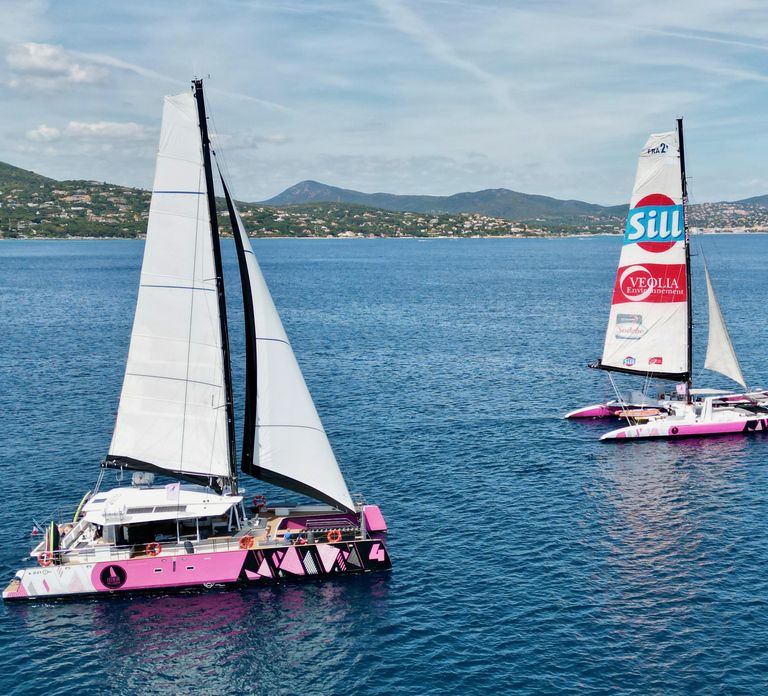
For those who prefer water, evening cruises through the Gulf of Morbihan offer a scenic way to experience the Breton coastline, accessible as a day trip from Nantes.
---
Where to Eat

Nantes has a strong food culture rooted in Atlantic seafood, Loire Valley produce, and Breton influences. Muscadet, the dry white wine produced in the vineyards just east of the city, is the local pairing of choice and is almost always available by the glass.
La Cigale: A Belle Époque brasserie near the Place Graslin that has been serving classic French food since 1895. The interior alone is worth the visit. Prices are mid-range to higher.
Le Bouchon: A reliable address for traditional French bistro cooking at reasonable prices. Book ahead, particularly on weekends.
Talensac Market: For self-catering or a simple lunch, the covered market near the Place Viarme is one of the best in western France. Cheese, charcuterie, fresh fish, and local vegetables at fair prices.
Budget expectations: Nantes sits comfortably in the mid-range for France. A sit-down lunch with wine typically runs between 15 and 25 euros per person. Dinner at a decent restaurant is 30 to 50 euros. Street food and market lunches can be done for under 10 euros.
---
Insider Tips
Visit the Passage Pommeraye on a weekday morning. This 19th-century shopping arcade is one of the finest examples of its kind in France, with three levels connected by ornate staircases. Weekday mornings are quiet enough to appreciate the architecture without crowds.
Take the Navibus ferry. Most visitors stick to the tram. The Navibus crosses the Loire and offers a different perspective on the city and the Île de Nantes without costing anything beyond a standard transport ticket.
The Jardin des Plantes is directly across from the train station. It is one of the best botanical gardens in France and almost entirely overlooked by short-stay visitors. The giant water lilies in summer are remarkable, and the garden is free to enter.
---
Practical Information

- Currency: Euro
- Language: French. English is spoken at most hotels and tourist sites, less so in local restaurants and markets.
- Tipping: Not obligatory, but rounding up the bill or leaving a euro or two is appreciated.
- Safety: Nantes is a safe city by most measures. Standard urban precautions apply around the train station at night.
- Connectivity: Free Wi-Fi is available at the train station, most cafes, and many public spaces.
For a structured introduction to the city, the romantic walking tour and family walking tour options on TixLayer are both well-reviewed ways to get oriented on arrival, each tailored to different types of travellers.
Nantes is a city that rewards a little preparation. Get the transport sorted, pick the right time of year, and leave room in the itinerary for the unexpected. That is usually where the best memories come from.