Matsushima Travel Guide: Plan Your Perfect Trip
By Matt Cuckston, Founder & Travel Technology Expert at TixLayer
For centuries, poets and pilgrims have made the journey to Matsushima Bay to stand at the water's edge and take in one of the most quietly spectacular landscapes in all of Japan. Recognised as one of the country's Three Great Views alongside Amanohashidate and Miyajima, this small coastal town in Miyagi Prefecture draws visitors who want something more contemplative than the pace of Tokyo or Osaka. If you're researching things to do in Matsushima, this guide gives you everything you need to plan your trip well before you arrive.
Getting to Matsushima

Matsushima is straightforward to reach from Sendai, the regional capital of Tohoku, which sits about 25 kilometres to the southwest. Most visitors travel by train.
The JR Senseki Line runs from Sendai Station to Matsushima-Kaigan Station, the stop closest to the bay and main sightseeing area. The journey takes around 40 to 50 minutes and costs roughly 410 yen. Trains run frequently throughout the day, making day trips from Sendai entirely practical.
Alternatively, the JR Tohoku Main Line stops at Hon-Matsushima Station, which is a short walk from a different part of the bay. This line is slightly faster from Sendai but drops you further from the main attractions.
If you are travelling from Tokyo, take the Tohoku Shinkansen to Sendai (around 90 minutes), then transfer to the Senseki Line. The JR Pass covers both legs of this journey, making it excellent value.
Driving is also an option. Matsushima sits off the Sanriku Expressway, and parking is available near the waterfront, though it fills up on weekends and public holidays.
Getting Around
Once you arrive, the main sightseeing area around Matsushima Bay is compact and best explored on foot. The waterfront promenade, temples, and viewpoints are all within a comfortable walking distance of Matsushima-Kaigan Station.
Rental bicycles are available near the station and are a good choice if you want to reach the four famous viewpoints scattered around the surrounding hills. A standard rental costs around 500 to 1,000 yen for a few hours.
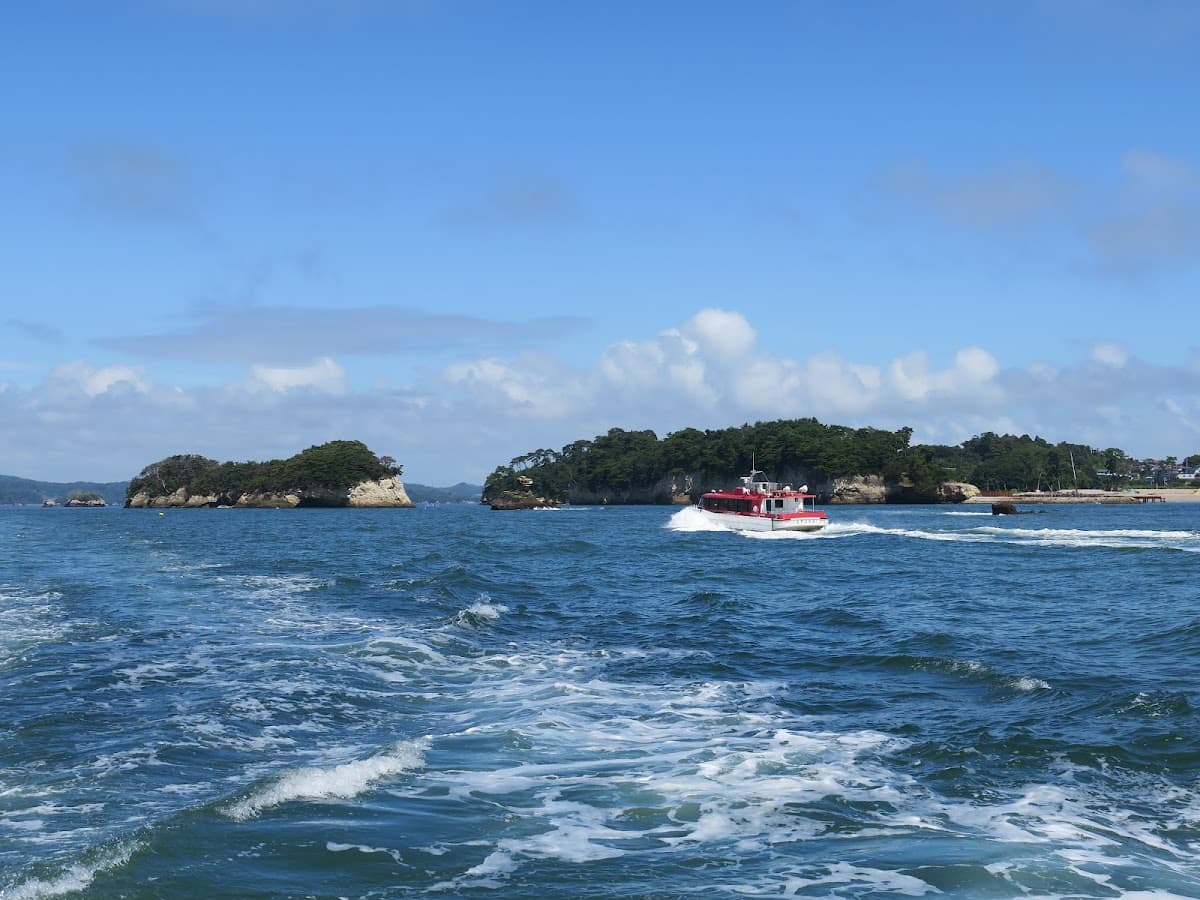
Local sightseeing boats also connect different parts of the bay, which is both a practical transport option and one of the best ways to see the islands up close.
When to Visit
Spring (late March to early May) is the most popular season. Cherry blossoms frame the bay in pink from late March into April, and the light at this time of year is exceptional. Expect crowds, particularly on weekends.
Autumn (October to November) is the other peak season. The maple trees around the temples turn deep red and orange, and the cooler temperatures make walking very comfortable. This is arguably the best time to visit if you want beautiful scenery without the full weight of the spring crowds.
Summer (July and August) is warm and humid. Boat cruises are popular, and the area is busy with domestic tourists. It is perfectly enjoyable but accommodation prices rise and advance booking is essential.
Winter (December to February) is the quietest period. Crowds are minimal, prices drop, and on clear days the bay has a stark, beautiful quality. Some smaller attractions reduce their hours, but the major temples and cruise routes remain open.
Avoid Golden Week (late April to early May) and Obon (mid-August) if you dislike large crowds. These national holiday periods bring significant numbers of visitors to the area.
What to See and Do

Matsushima Bay Cruise
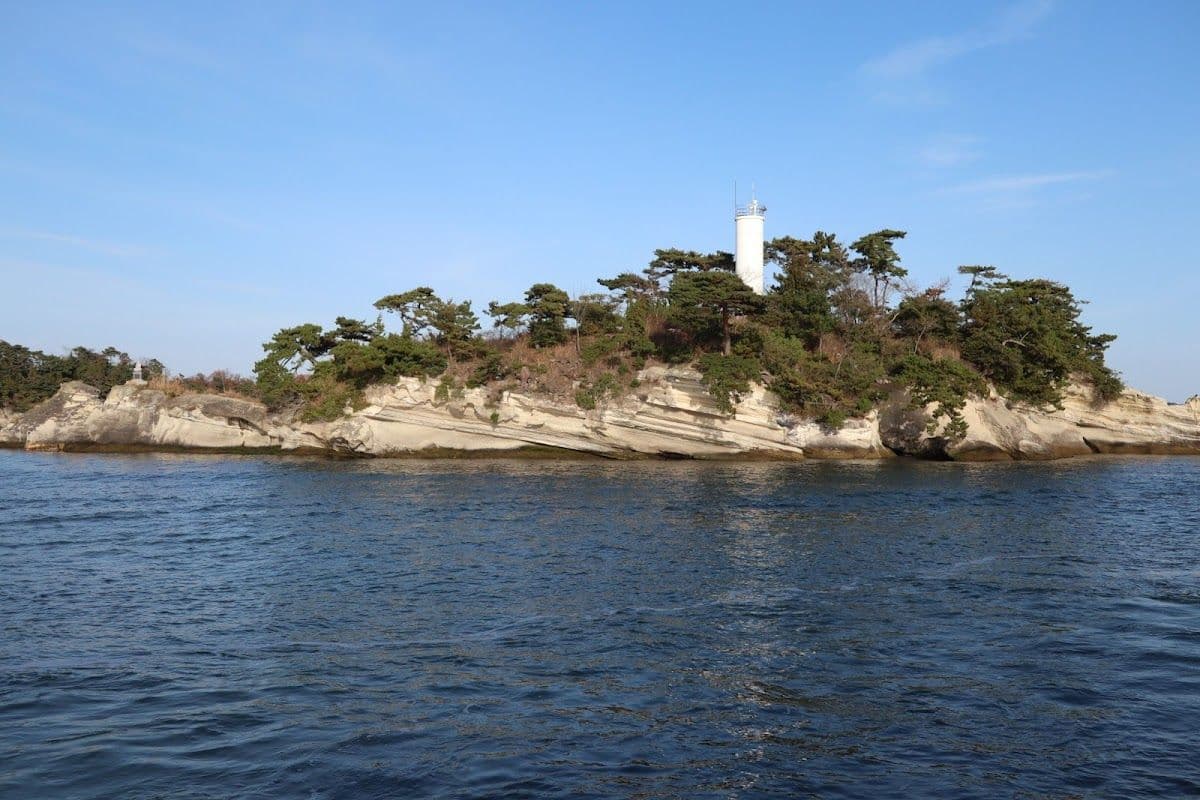
Taking a boat out onto the bay is the single most important thing to do here. From the water, you get a full sense of how the roughly 260 pine-covered islands are arranged across the inlet, each one shaped differently by centuries of wind and wave. The Japan Matsushima Bay Sightseeing Cruise Ticket lets you experience this iconic view at your own pace, with routes ranging from 50 minutes to longer scenic loops.
Zuiganji Temple
Founded in the early 9th century and rebuilt in the early 17th century under the patronage of Date Masamune, the powerful feudal lord of the Tohoku region, Zuiganji is one of the finest Zen temples in northern Japan. The approach through ancient cedar trees, the carved cave sanctuaries along the path, and the main hall's gilded interiors are all worth taking time over. Book your visit to Zuiganji Temple in advance during peak seasons.
The Four Viewpoints
Four hilltop viewpoints surround the bay, each offering a different perspective. Saigantei and Tomiyama are the most accessible on foot or by bicycle. Tamonzan and Ogidani require a bit more effort but reward you with quieter surroundings and excellent photos.
Matsushima Rikyu
For a more relaxed afternoon, the Miyagi Prefecture Matsushima Rikyu Early Bird Admission Ticket gets you into this waterfront complex that combines dining, local craft workshops, and a small museum. It is a good option if you want to engage with the cultural side of the region without a heavy itinerary.
Day Trips from Matsushima
Matsushima also makes an excellent base for exploring the wider Tohoku region. The 1-day tour to Zaō Fox Village and Ginzan Onsen in Miyagi is a popular option that combines one of Japan's most unusual wildlife encounters with a beautifully preserved Taisho-era hot spring town. Ginzan Onsen is the real-life inspiration behind the bathhouse in Studio Ghibli's Spirited Away, and it is worth every bit of the journey.
Where to Eat
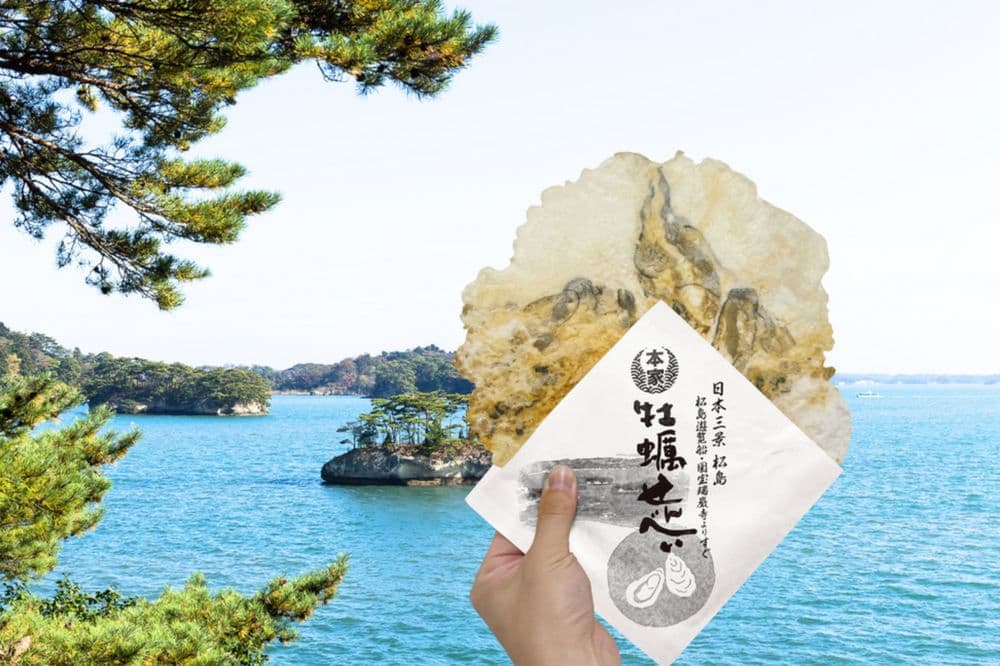
Matsushima's local speciality is oysters, and they are excellent here. The bay's cold, nutrient-rich waters produce oysters that are plump and full of flavour, typically available grilled over charcoal at small stalls along the waterfront from autumn through spring.
Kakiya and similar oyster restaurants near the pier offer set menus built around freshly grilled shellfish. Expect to pay around 1,500 to 2,500 yen for a full oyster meal.
For something lighter, Matsushima-style sushi using local fish is available at several restaurants near the station. Budget around 1,000 to 1,500 yen for a lunch set.
There are also several cafes and sweet shops selling zuiganji mochi and other regional wagashi. These make good walking snacks and reasonable souvenirs.
Budget Expectations
Matsushima is an affordable destination by Japanese standards. A comfortable day trip from Sendai, including train fare, temple admission, a bay cruise, and lunch, typically costs between 5,000 and 8,000 yen per person.
If you are staying overnight, guesthouses and mid-range ryokan start from around 8,000 to 12,000 yen per person including dinner and breakfast. Higher-end ryokan with private onsen baths run from 25,000 yen and above per person.
Practical Tips

Opening hours: Most temples and attractions open around 8:00 or 8:30 AM and close by 5:00 PM, with reduced hours in winter. Arrive early to avoid groups.
Cash: While larger restaurants and hotels accept cards, smaller stalls and some boat ticket booths are cash only. Keep some yen on hand.
Language: English signage is reasonably good around the main tourist areas, and most cruise and temple ticket booths have English-speaking staff or printed guides.
Insider Tips
Cross the red bridge at dawn. The Fukuurajima island footbridge, which connects the mainland to a small forested island, is free to walk across early in the morning before the ticketing booth opens for the island itself. The views back toward the bay at sunrise are exceptional and you will likely have the bridge to yourself.
Take the Senseki Line rather than the Tohoku Main Line. The Senseki Line hugs the coastline for part of its route and offers brief but lovely water views on the approach to Matsushima-Kaigan. It is a small thing, but it sets the mood well before you arrive.
Avoid the souvenir strip at midday. The main shopping street near the pier gets very congested between 11:00 AM and 2:00 PM on weekends. If you want to browse the oyster stalls and local shops without the pressure, go early in the morning or after 3:00 PM when day-trip crowds begin to thin.
Final Thoughts
Matsushima rewards visitors who slow down. The bay is at its best when you are not rushing between checkboxes, and the town's scale makes that kind of unhurried exploration easy to manage. Whether you come for a single afternoon or use it as a base for several days of Tohoku exploration, the combination of natural scenery, temple culture, and excellent seafood makes it one of the most satisfying stops in northern Japan.