
Madrid Travel Guide: Plan Your Perfect Trip
By Matt Cuckston, Founder & Travel Technology Expert at TixLayer
Madrid is one of Europe's most rewarding capitals, and yet it remains slightly underestimated compared to Barcelona or Seville. That works in your favour. The city moves at its own pace, the food scene is exceptional, and the concentration of world-class art within a few square kilometres is almost unmatched anywhere on earth. Whether you are planning a long weekend or a full week, this Madrid travel guide will help you make the most of every day.
---
Getting to Madrid
Madrid Barajas Adolfo Suárez Airport (MAD) is one of the busiest in Europe and well connected to most major cities. From the airport, the Metro Line 8 runs directly to the city centre in around 30 minutes and costs roughly €5 including the airport supplement. Taxis are metered and typically run €25 to €35 depending on your destination and traffic.
If you are arriving by train, Madrid's Atocha and Chamartín stations connect the city to the rest of Spain via the high-speed AVE network. Seville is around two and a half hours away, Barcelona just over two and a half hours. Both stations are well served by Metro lines.
---
Getting Around the City

Madrid's Metro system is clean, frequent, and easy to navigate. A ten-trip Metrobus card (around €12.20) is far more economical than buying single tickets and works across Metro, bus, and light rail. The city is also very walkable in the centre, and most of the major sights in Sol, Retiro, and La Latina are within comfortable walking distance of each other.
For a more relaxed way to get your bearings on arrival, the Big Bus Tours Madrid Hop-on, Hop-off Sightseeing Tour covers the key landmarks across two routes and lets you set your own pace. There is also a Big Bus Madrid Night Tour if you want to see the city illuminated after dark, which is genuinely worth doing at least once.
Ride-hailing apps including Uber and Cabify operate in Madrid and are generally reliable for late-night journeys when the Metro has stopped.
---
When to Visit Madrid
Best months: March to May and September to November. Spring brings mild temperatures, blooming parks, and manageable crowds. Autumn is arguably the best time of all, with warm days, cooler evenings, and the city fully back in motion after the August slowdown.
Summer (June to August): July and August can be brutally hot, regularly exceeding 38°C. August in particular sees many local restaurants and smaller businesses close as Madrileños leave for the coast. If you do visit in summer, plan outdoor activities for early morning and late evening.
Winter (December to February): Winters are mild by northern European standards but can be cold and occasionally snowy in January. The Christmas markets around Plaza Mayor are genuinely atmospheric, and hotel prices drop considerably outside the festive period.
What to avoid: The week of Semana Santa (Easter) and major local festivals can push accommodation prices up sharply. Book well in advance if your dates fall around these periods.
---
Best Neighbourhoods to Stay In

Sol and Centro: The geographic and tourist heart of the city. Convenient for sightseeing but noisy and more expensive. Good for first-time visitors who want everything within walking distance.
Malasaña: A neighbourhood with real character, full of independent coffee shops, record stores, and restaurants that locals actually use. Accommodation here tends to be better value than in Sol.
Lavapiés: One of the most culturally diverse areas in the city, with excellent street food, affordable tapas bars, and a strong arts scene. Slightly less polished than other areas, but that is part of the appeal.
Salamanca: The upmarket district. Wide boulevards, designer boutiques, and some of the best traditional restaurants in the city. Expect to pay more for accommodation here.
La Latina: Best known for its Sunday El Rastro flea market and its concentration of tapas bars along Calle Cava Baja. Excellent base if you want a more local, residential feel.
---
What to See and Do
The art alone justifies a trip. The so-called Golden Triangle of Art sits within easy walking distance and contains some of the finest collections in the world.
The Prado Museum is the centrepiece, housing works by Velázquez, Goya, and El Bosco among thousands of others. Queues can be significant, so booking a Prado Museum Skip the Line Ticket and Guided Tour in advance is strongly recommended. The museum is genuinely enormous and a guided tour helps you focus on the highlights without museum fatigue setting in.
A short walk away, the Thyssen-Bornemisza National Museum offers a sweeping journey through Western art history from the medieval period to the late twentieth century. It is less crowded than the Prado and often underappreciated.
For modern and contemporary art, the Museo Nacional Centro de Arte Reina Sofía is home to Picasso's Guernica, one of the most powerful paintings you will ever stand in front of.
The Royal Palace of Madrid is another essential stop. It is the largest royal palace in Western Europe by floor area and the state rooms are genuinely impressive. Book fast-access admission to avoid long entrance queues, particularly in spring and summer.
For football fans, the Tour Bernabéu is a well-produced stadium experience that covers the history of Real Madrid in considerable depth, even if you are not a committed supporter.
If you are planning to cover several major sights, the Madrid City Pass bundles over 20 attractions including the Royal Palace, Prado Museum, and a flamenco show, and can represent significant savings over buying tickets individually.
For an evening of traditional Spanish dance, Flamenco de Leones offers an authentic performance experience in the city.
---
Where to Eat and Drink

Madrid is a serious food city. The Mercado de San Miguel near Plaza Mayor is tourist-oriented but worth a visit for grazing. For a more authentic market experience, head to the Mercado de Antón Martín in Lavapiés.
Tapas culture here differs from Andalusia. In Madrid, tapas are rarely free with drinks. Instead, you order raciones (larger shared plates) or media raciones. Casa Lucio in La Latina is famous for its huevos rotos, fried eggs broken over crispy potatoes, a dish that has been on the menu for decades.
For breakfast, seek out any neighbourhood café serving a tostada con tomate and a café con leche. Avoid the tourist cafés around Sol where prices are inflated and quality drops.
Chocolate con churros at Chocolatería San Ginés is a genuine Madrid institution, open since 1894 and particularly good in the early hours after a night out.
---
Budget Expectations
Madrid sits in the mid-range category for European capitals. It is more affordable than Paris or Amsterdam but has become noticeably more expensive over the past few years.
Budget traveller: €60 to €90 per day covering hostel accommodation, market lunches, and free museum evenings (most major museums offer free entry on certain evenings and Sunday afternoons).
Mid-range: €120 to €180 per day for a comfortable hotel, restaurant meals, and paid attractions.
Upmarket: €250 and above per day for Salamanca-district hotels, tasting menus, and private tours.
Museum admission typically runs €15 to €25 per venue, so a city pass makes financial sense if you plan to visit four or more attractions.
---
Insider Tips
The free museum hours are real and worth planning around. The Prado offers free entry from 6pm to 8pm Monday to Saturday and from 5pm on Sundays. The Reina Sofía is free Monday to Saturday from 7pm to 9pm. Arriving just before these windows open means you get roughly 90 minutes inside without paying, though the most popular rooms do get busy.
Madrileños eat late, and restaurants reflect this. Turning up for dinner at 7pm will often mean you are eating alone in an empty room. Locals rarely sit down to dinner before 9pm, and on weekends 10pm is entirely normal. Restaurants genuinely operate better later in the evening when the kitchen is in full flow.
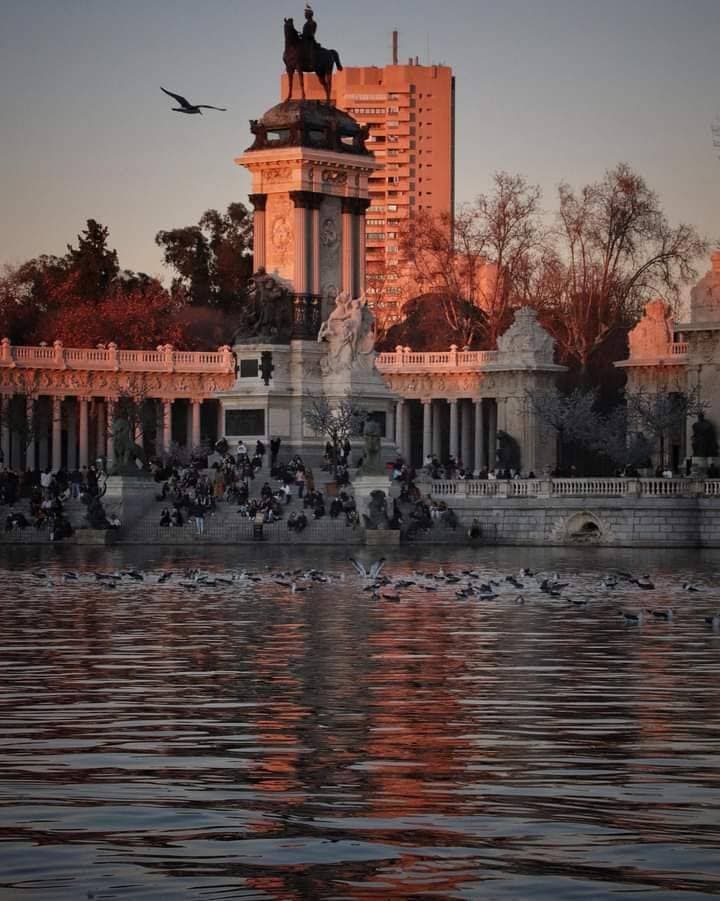
The Retiro Park has a largely overlooked glass palace. The Palacio de Cristal sits within Parque del Retiro and hosts rotating contemporary art exhibitions, usually free of charge. It is architecturally beautiful and consistently under-visited compared to the rowing lake and the rose garden that most guides point you towards.
---
Final Planning Notes

Madrid rewards a slightly slower approach. Three days gives you enough time to cover the major museums and neighbourhoods without feeling rushed. Five to seven days allows you to settle into the rhythm of the city, take a day trip to Toledo or Segovia, and actually eat and drink the way locals do.
Book museum tickets and palace entry in advance, particularly between March and October. The queues for walk-up tickets at the Prado and Royal Palace can easily cost you an hour or more of your day.
For a city that rarely gets the attention it deserves, Madrid has a way of becoming a firm favourite once you have spent real time there.


