
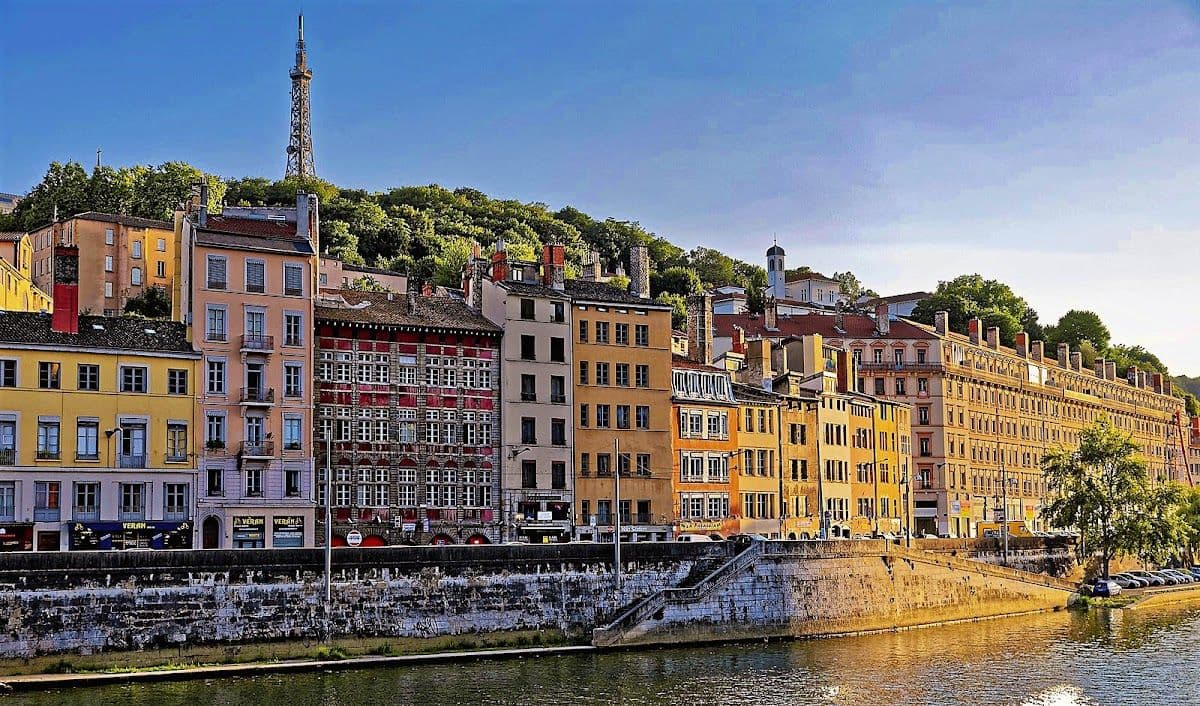
Lyon Travel Guide: Plan Your Perfect Trip
By Matt Cuckston, Founder & Travel Technology Expert at TixLayer
France has no shortage of remarkable cities, but Lyon occupies a category of its own. Sitting at the confluence of the Rhône and Saône rivers in southeastern France, it is a city that takes food seriously, wears its Roman and Renaissance history proudly, and moves at a pace that actually lets you enjoy both. If you are researching things to do in Lyon, you are in the right place. This guide covers everything you need to plan a confident, well-organised trip.
---
Getting There
By Air
Lyon-Saint Exupéry Airport (LYS) is the main international gateway, located around 25 kilometres east of the city centre. It connects to most major European hubs, with direct flights from London, Amsterdam, Brussels, and beyond. The Rhônexpress tram runs directly from the airport to Part-Dieu station in about 30 minutes and costs around €16.90 one way. Taxis are available but will set you back €50–70 depending on traffic.
By Train
For travellers coming from Paris, the TGV is the smarter choice. Lyon Part-Dieu station is just under two hours from Paris Gare de Lyon, with trains running frequently throughout the day. Fares booked in advance can be as low as €20–30 each way. Lyon is also well connected to Geneva (1h45), Marseille (1h40), and Barcelona (around 4h30).
By Car
Driving is straightforward via the A6 from Paris or the A7 heading north from Marseille. That said, driving within the city itself is rarely worth the hassle. Parking is expensive and the public transport network is excellent, so leave the car at a park-and-ride on the outskirts if you arrive by road.
---
Getting Around

Lyon's public transport network (TCL) covers the city thoroughly with four metro lines, trams, buses, and a funicular up to Fourvière hill. Single tickets cost €2, and a 24-hour pass runs around €6. If you are planning to visit multiple attractions, the Lyon City Card is genuinely good value, bundling unlimited public transport with access to more than 40 attractions across the city.
For a slower pace, Vélo'v is the city's bike-sharing scheme with over 400 stations. The riverside paths along the Rhône and Saône are flat and well-maintained, making cycling a pleasant way to move between neighbourhoods.
If you want an overview before diving into the detail, the Lyon City Hop-on Hop-off Sightseeing Bus Tour is a practical way to get your bearings on arrival, particularly if you only have a day or two.
---
Best Neighbourhoods to Base Yourself

Vieux Lyon (Old Town)
The UNESCO-listed old town sits on the west bank of the Saône and is the most atmospheric part of the city. Its Renaissance architecture, narrow cobbled lanes, and traboules (more on those shortly) make it the obvious choice for first-time visitors. Accommodation here tends to be pricier, but the location is hard to beat.
Presqu'île
The peninsula between the two rivers is the commercial and cultural heart of the city. Place Bellecour, one of the largest open squares in France, sits at its centre. This is a good base if you want easy access to restaurants, shops, and the main metro lines.
Croix-Rousse
Perched on the hill above the Presqu'île, Croix-Rousse has a distinct character shaped by its history as the city's silk-weaving district. It has a strong local market culture, independent cafés, and a noticeably younger crowd. It requires some uphill walking but rewards you with a more authentic day-to-day atmosphere.
Confluence
The southern tip of the Presqu'île where the two rivers meet has been redeveloped into a modern architectural district. It is home to the striking Museum des Confluences, a science and anthropology museum that is worth visiting for the building alone as much as the collections inside.
---
When to Visit

Best months: April to June and September to October
Spring and early autumn offer the most comfortable conditions for walking and sightseeing. Temperatures sit between 15°C and 25°C, crowds are manageable, and restaurant terraces are in full use. The city's food markets are at their seasonal best during these periods.
Summer (July to August)
Warm and generally sunny, but the city can feel quieter than expected in August as many locals head to the countryside or coast. Some smaller restaurants and shops close for part of the month. It is still a perfectly good time to visit, just book ahead.
Winter and the Festival of Lights
December is worth flagging specifically. The Fête des Lumières, held over four nights in early December, transforms the city into one of the most spectacular light installations in Europe. It draws enormous crowds, so accommodation books out months in advance and prices spike sharply. If you plan to attend, book as early as possible. Experiencing it from the water on the Fêtes des Lumières aperitif cruise is a genuinely memorable way to take in the installations without fighting through the crowds on foot. Alternatively, the Lyon: 50-Minute Festival of Lights Sightseeing Cruise offers a shorter option for those with limited time.
What to avoid: Arriving without accommodation booked during Fête des Lumières weekend. Prices triple and availability disappears. The same applies to Sirha, the major international food industry trade show held in January in odd-numbered years.
---
What to See and Do

The traboules are one of the city's most distinctive features: covered passageways that cut through buildings and connect streets, originally used by silk workers to transport fabric without weather damage. Many are still in use today and open to the public. A Lyon: Traboules Private Tour of the Secret Passages will get you access to passages that most visitors walk straight past.
Fourvière Hill is worth the climb (or funicular ride) for the Roman amphitheatres at the top, which date back to 15 BC and still host concerts in summer. The Basilica of Notre-Dame de Fourvière sits nearby and offers panoramic views across the city.
For a structured introduction to the city's history and architecture, the Lyon: City Highlights Walking Tour covers the key sites with context that is difficult to replicate with a guidebook alone.
---
Where to Eat

Lyon's reputation as France's gastronomic capital is not marketing. The city has more restaurants per capita than almost anywhere in Europe, and the quality across price points is consistently high.
Bouchons are the local institution: small, informal restaurants serving traditional Lyonnaise cuisine. Expect dishes like quenelles (poached fish dumplings), andouillette, gratins, and generous portions. Look for the official Bouchon Lyonnais certification to ensure you are eating at a genuine establishment rather than a tourist imitation.
The covered markets, particularly Les Halles Paul Bocuse on Cours Lafayette, are worth visiting even if you are not cooking. The cheese, charcuterie, and pastry stalls alone justify the trip.
For those with a sweet tooth, the Choco Lovers Tour takes in 17 tastings across six chocolate makers, a genuinely enjoyable way to explore the city's confectionery scene.
Budget expectations: Lyon sits comfortably in the mid-range for France. A lunch menu at a bouchon typically runs €15–25 for two or three courses. Dinner at a mid-range restaurant costs €35–55 per person with wine. The city is notably more affordable than Paris for accommodation, with solid three-star hotels available in the €90–130 per night range.
---
Practical Tips
Insider tip one: Most traboules have a small button or handle on the street-level door. If the door is not locked, it is open to the public. Locals use them daily and are generally happy to let curious visitors through, but keep noise down and treat them as working passages rather than tourist attractions.
Insider tip two: The Sunday morning market on the Quai Saint-Antoine along the Saône is one of the best food markets in France. It runs year-round and draws producers from across the Auvergne-Rhône-Alpes region. Arrive before 10am for the best selection.
Insider tip three: Croix-Rousse has its own set of traboules, distinct from those in Vieux Lyon, and they are far less visited. The passages here are longer and more labyrinthine, reflecting the neighbourhood's industrial silk-weaving past. Pick up a free traboule map from the Lyon tourist office before you head up.
---
Final Thoughts
Lyon rewards the traveller who comes prepared but stays flexible. The food culture alone justifies the trip, and the layers of history, architecture, and neighbourhood character give it a depth that keeps revealing itself the longer you stay. Three days is a comfortable minimum; five days lets you settle in properly and eat your way through the city without rushing.
For a smooth start, the Lyon City Card is worth picking up on arrival. It removes the friction from getting around and makes spontaneous visits to museums and attractions much easier to justify.


