
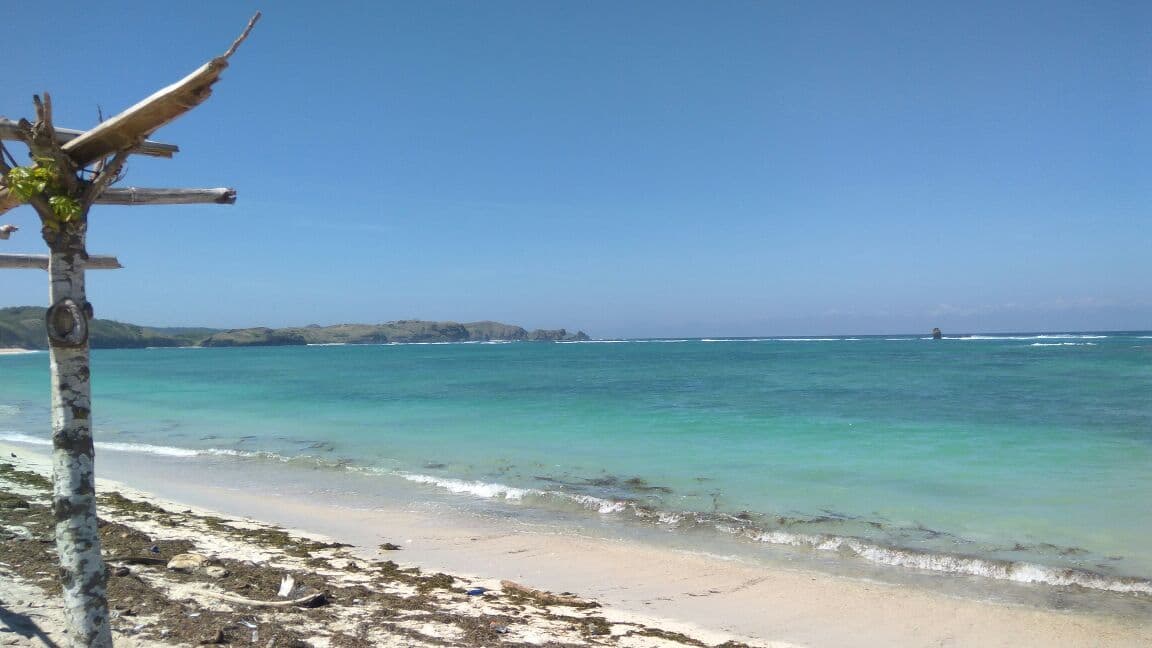
Lombok Travel Guide: Plan Your Perfect Trip
By Matt Cuckston, Founder & Travel Technology Expert at TixLayer
Lombok sits just east of Bali, separated by a narrow strait, yet it feels like a completely different world. Where Bali can feel crowded and commercialised, Lombok moves at a slower pace. The island has towering volcanic scenery, long stretches of uncrowded beach, and a deeply rooted Sasak culture that shapes everything from the food to the architecture. If you're researching things to do in Lombok, you've landed in the right place. This guide covers every practical detail you need to plan a trip worth remembering.
---
Getting to Lombok
The easiest way to reach Lombok is by flying into Lombok International Airport (LOP), located in the south of the island near Praya. Direct flights connect Lombok to Jakarta, Bali, Surabaya, and a growing number of international routes via Kuala Lumpur and Singapore. Budget carriers like AirAsia and Lion Air keep fares competitive, especially if you book two to three weeks ahead.
If you're coming from Bali, the fast boat is a popular option. Several operators run daily crossings from Padang Bai or Serangan in Bali to the Gili Islands or Teluk Nare on Lombok's northwest coast. Journey times range from 90 minutes to three hours depending on sea conditions and your departure point. The crossing can be rough during the wet season, so choose a reputable operator and check reviews before booking.
---
Getting Around

Lombok does not have a reliable public transport network, so most visitors hire a scooter or arrange private drivers. Scooter rental costs around 60,000 to 80,000 IDR per day (roughly $4 to $5 USD) and gives you the freedom to explore at your own pace. If you're not comfortable on a scooter, private car hire with a driver runs between 350,000 and 600,000 IDR for a full day and is well worth the cost for longer journeys.
On the Gili Islands, there are no motorised vehicles at all. Getting around is done by bicycle, horse-drawn cidomo cart, or on foot. You can easily rent an e-bike on Gili Trawangan for a relaxed way to circle the island without breaking a sweat.
Boats connect the three main Gili Islands (Trawangan, Meno, and Air) throughout the day, and public island-hopper boats run on a loose schedule. For transfers between the Gilis and the Lombok mainland, fast boats depart regularly from Bangsal Harbour.
---
Best Areas to Stay
Senggigi is the most established tourist strip on the northwest coast. It has the widest range of accommodation, restaurants, and tour operators, making it a practical base for first-time visitors.
Kuta Lombok (not to be confused with Kuta in Bali) sits on the south coast and is the go-to area for surfers and travellers who want a quieter, more laid-back base. The surrounding bays and headlands are some of the most photogenic on the island.
The Gili Islands are ideal if you want to be close to the water. Gili Trawangan is the liveliest of the three, Gili Air strikes a balance between social and serene, and Gili Meno is the quietest option, popular with couples.
Sembalun, in the highlands near Mount Rinjani, suits trekkers and those who want cooler temperatures and rural scenery far from the beach crowds.
---
When to Visit

The dry season runs from May through October and is the best time to visit. July and August are peak months with the clearest skies and calmest seas, which makes snorkeling and diving conditions excellent. If you want good weather without peak-season crowds, aim for May, June, or September.
The wet season falls between November and April. Rain tends to come in short, heavy bursts rather than all-day downpours, so travel is still possible. However, boat crossings to the Gilis can be cancelled or uncomfortable, and some trekking routes on Rinjani close entirely between December and March due to safety concerns.
Avoid planning a Rinjani trek or multi-day boat trip during the peak of the wet season. If your heart is set on the mountain, April and October are solid shoulder-season options with manageable conditions.
---
Top Things to See and Do

Mount Rinjani is Lombok's defining landmark, an active volcano that rises to 3,726 metres. The crater lake, Segara Anak, sits inside the caldera and is genuinely one of the most spectacular sights in Indonesia. A multi-day Mount Rinjani hiking tour is the most rewarding way to experience it, with two-day and three-day options available depending on your fitness level and schedule.
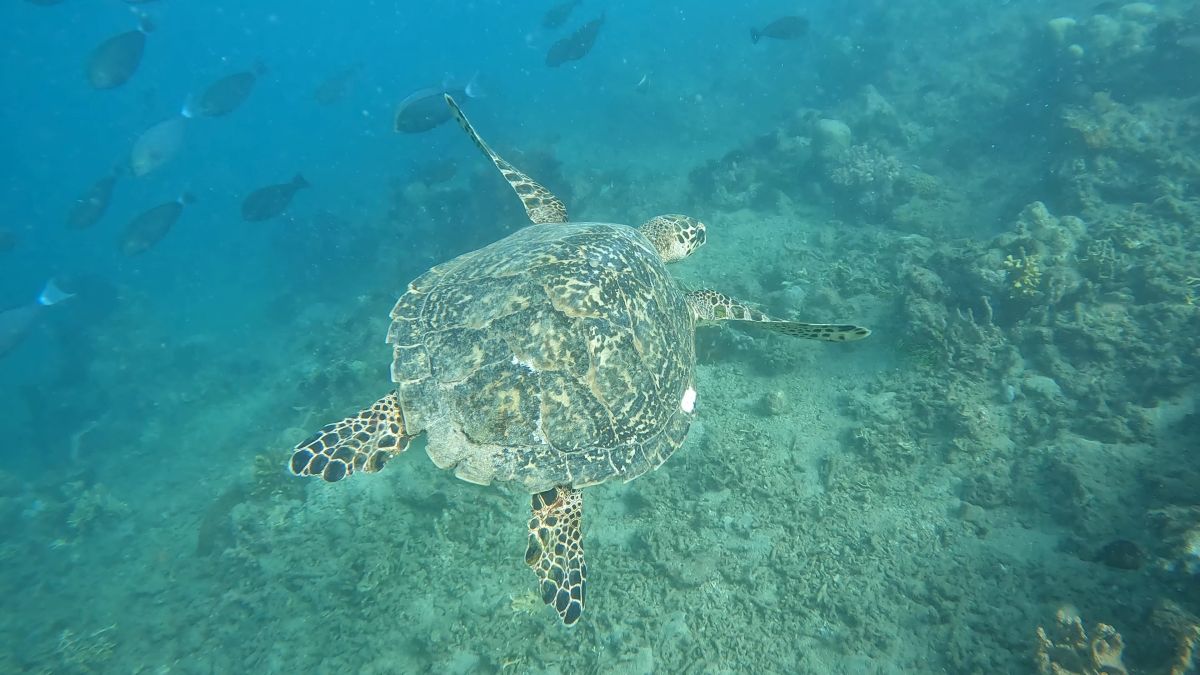
The Gili Islands are the obvious draw for water lovers. The snorkeling around Gili Trawangan and Gili Meno is exceptional, with sea turtles a common sighting. A private snorkeling tour at Gili Trawangan and Gili Meno lets you cover both islands at your own pace with a guide who knows the best spots. If you'd prefer a group format, a half-day guided snorkeling tour in the Gili Islands is a cost-effective alternative.
The Southwest Gilis are far less visited than their northern counterparts. Islands like Gili Nanggu, Gili Gede, and Gili Asahan offer pristine reef and almost no other tourists. A private snorkeling tour covering Gili Asahan, Gili Goleng, Gili Layar, and Gili Gede is one of the best day trips you can do from the south of the island.
Pink Beach on the east coast is one of a handful of genuinely pink-sand beaches in the world. The colour comes from red coral fragments mixed into the white sand. The Escape Island Tour combining Pink Beach and snorkeling is a popular full-day excursion from the east coast.
Sembalun Valley offers a very different side of the island. The highland plateau is used for growing garlic and strawberries, surrounded by green hills and dramatic ridgelines. An ATV ride through Sembalun is a fun way to explore the terrain without committing to a full trek.
---
Where to Eat
Lombok's food scene is built around Sasak cuisine, which is spicier and more distinctive than much of what you'll find in Bali. Look for ayam taliwang, a grilled or fried chicken dish cooked with a fiery chilli paste, and plecing kangkung, water spinach served with a sharp tomato and chilli sambal. Both dishes are inexpensive and widely available at local warungs.
In Senggigi, you'll find a wider range of international restaurants alongside local options. Prices are higher here than elsewhere on the island but still affordable by most standards.
On the Gili Islands, expect to pay a premium for food and drinks due to the cost of transporting supplies by boat. Budget around 80,000 to 150,000 IDR per meal at a mid-range restaurant on the Gilis, compared to 20,000 to 50,000 IDR at a local warung on the mainland.
---
Budget Expectations
Lombok is an affordable destination by Southeast Asian standards, though costs vary significantly depending on where you stay and eat. A comfortable mid-range budget runs to around $50 to $80 USD per day including accommodation, food, transport, and one activity. Budget travellers staying in guesthouses and eating at local warungs can get by on $25 to $35 USD per day. The Gili Islands will push your daily spend higher due to the island premium on food and accommodation.
---
Insider Tips

Book Rinjani permits early. The national park has a daily quota for trekkers and permits sell out weeks in advance during peak season. Don't assume you can sort this out on arrival, especially in July and August.
The northeast Gilis are worth the extra effort. Most visitors stick to the three main Gili Islands, but the northeast coast of Lombok has a cluster of lesser-known islands with excellent snorkeling and almost no crowds. A private snorkeling tour in northeast Lombok requires arranging a boat from the mainland, but the payoff in solitude and reef quality is significant.
Sunrise on the water is underrated. Rather than rushing to a viewpoint, consider a sunrise fishing trip from Gili Island. You'll be out on the water before the day tourists arrive, the light is extraordinary, and you might come back with breakfast.
---
Practical Tips
- Currency: Indonesian Rupiah (IDR). ATMs are available in Senggigi, Kuta Lombok, and on Gili Trawangan, but carry enough cash when heading to remote areas or smaller Gili Islands.
- SIM cards: Pick up a local SIM at the airport or in Mataram. Telkomsel and XL both offer good coverage across the island.
- Health: Drink bottled or filtered water. Bring reef-safe sunscreen, especially for snorkeling trips, as many operators now require it.
- Respect local customs: Lombok is a predominantly Muslim island. Dress modestly when visiting villages or markets, and be mindful of prayer times.
- Tipping: Not mandatory but appreciated. Rounding up a bill or leaving 10,000 to 20,000 IDR for good service is standard practice.
With its combination of volcanic landscapes, clear water, and a pace of life that hasn't been entirely reshaped by tourism, Lombok rewards travellers who take the time to explore beyond the obvious. Whether you're here for the surf, the summit, or simply the silence, the island delivers.


