
Loire Valley Travel Guide: Plan Your Perfect Trip
By Matt Cuckston, Founder & Travel Technology Expert at TixLayer
If you're searching for things to do in Loire Valley, you've landed in the right place. Stretching along France's longest river between Orléans and the Atlantic coast, this UNESCO World Heritage region packs in more history, architecture, and excellent food and wine per square kilometre than almost anywhere else in Europe. More than 300 châteaux dot the landscape, vineyards line the riverbanks, and medieval towns sit largely unchanged from centuries past. This guide covers everything you need to know to plan a trip worth remembering.
---
Getting There
From Paris: The Loire Valley is one of France's most accessible regions. High-speed TGV trains from Paris Montparnasse reach Tours in around 55 minutes and Blois in about an hour. This makes it entirely feasible as a day trip, though staying at least two nights is strongly recommended.
By car: Driving from Paris takes roughly two hours via the A10 motorway and gives you the flexibility to reach smaller châteaux and villages that trains don't serve. Car hire is widely available at Tours and Blois stations.
By air: Tours Val de Loire Airport handles some European routes, but most international travellers fly into Paris Charles de Gaulle or Orly and connect by train.
---
Getting Around

This is where planning matters most. The Loire Valley is a rural region, and public transport between châteaux is limited outside the main towns.
Train: The main rail line connects Orléans, Blois, Amboise, Tours, and Saumur. This covers many of the key destinations, but châteaux like Chambord and Chenonceau require additional transport from the nearest station.
Bus: Seasonal shuttle buses (Fil Vert and TLC networks) connect Tours and Amboise to Chenonceau and Chambord during peak months. Timetables change annually, so check locally before you travel.
Cycling: The Loire à Vélo cycling route runs for over 900 kilometres along the river and is genuinely one of the best ways to experience the region. The terrain is mostly flat, bike hire is available in all major towns, and many châteaux are directly on or close to the route.
Guided tours: If you'd rather not worry about logistics, guided day tours from Tours or Amboise are excellent value and take the stress out of reaching multiple sites in one day. The Chenonceau and Chambord Tour with Wine-Tasting from Tours or Amboise is a popular option that covers two of the region's most impressive châteaux in a single day, including a wine tasting stop. There's also a Full-day tour of Chenonceau, Amboise and Clos Lucé with wine-tasting from Tours for those who want to pack more in.
---
Best Base Towns

Tours is the largest city in the region and makes the most practical base. It has the best rail connections, a wide range of accommodation, and a lively restaurant and market scene centred around Place Plumereau.
Amboise is a smaller, more atmospheric option. Perched above the Loire with a royal château on the clifftop and Leonardo da Vinci's final home just a short walk away, it has genuine character and is easier to explore on foot.
Blois sits roughly in the middle of the valley and is well-placed for reaching Chambord and Cheverny. The old town climbs steeply from the river and has a château of its own worth visiting.
Chinon and Saumur are worth considering if you're more interested in wine country and medieval history than the grand Renaissance châteaux.
---
When to Visit
April to June is the sweet spot. The gardens are in full bloom, crowds are manageable, and the weather is warm without being oppressive. This is the best window for cycling and outdoor exploration.
July and August bring the most visitors. Chenonceau and Chambord can feel overwhelmed on summer weekends, and accommodation prices peak. If you're visiting in high summer, arrive at major châteaux early in the morning and book tickets in advance.
September and October offer arguably the most rewarding experience. The harvest season is underway, wine tastings are at their most atmospheric, the light is beautiful, and visitor numbers drop noticeably after the school holidays end.
November to March is quiet and some smaller châteaux close entirely or operate reduced hours. That said, if you're primarily interested in the main sites and want very low prices and almost no queues, a winter visit can work well.
---
What to See

The châteaux are the obvious draw, and the quality is consistently high. A few standouts:
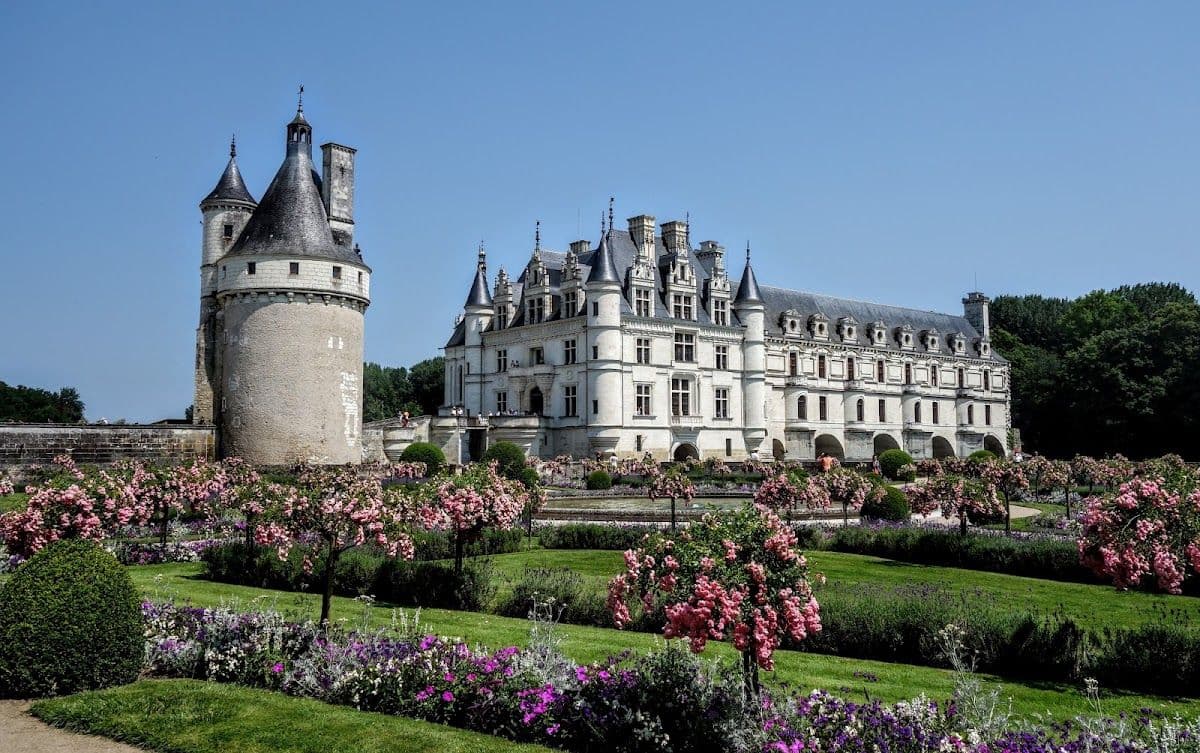
Château de Chenonceau is the one most visitors put first on their list, and for good reason. The structure spans the River Cher on a series of arches, and the interior is beautifully preserved. Book your Château de Chenonceau tickets in advance during peak months to avoid long queues at the gate.
Château de Villandry is less famous than Chenonceau but arguably more impressive for garden lovers. The formal Renaissance gardens are among the finest in France, laid out across several terraces with geometric precision. Grab your entrance ticket to Château de Villandry and gardens ahead of time.
For history with real depth, the Royal City of Loches is a medieval royal residence that receives far fewer visitors than it deserves. The keep, the royal lodgings, and the collegiate church together make for a half-day that feels genuinely immersive.
In Amboise, the guided tour of the royal Château d'Amboise is well worth the time, and combining it with a visit to Clos Lucé Castle and the Da Vinci Park makes for a full and satisfying day.
---
Where to Eat and Drink

The Loire Valley is serious food and wine country. Local specialities include rillettes (slow-cooked pork spread), freshwater fish from the Loire, goat's cheese from the Touraine, and tarte Tatin.
In Tours, the covered market Les Halles is one of the best in France and worth a morning visit even if you're not buying. The restaurants around Place Plumereau range from casual wine bars to proper sit-down bistros.
For wine, the region produces Vouvray, Chinon, Saumur-Champigny, and Muscadet, among others. A structured tasting at Les Caves Ambacia in Amboise gives good context for the regional styles and is set in atmospheric cave cellars carved into the tuffeau rock.
---
Budget Expectations
The Loire Valley sits comfortably in the mid-range for France. It is not cheap, but it is significantly more affordable than Paris.
- Château entry: Most major châteaux charge between €12 and €20 per adult. Gardens-only tickets are often available at a lower price.
- Accommodation: Budget options in Tours start around €60-80 per night for a clean, central hotel. Mid-range options with more character run €100-150. Staying in a converted château or manor house (chambres d'hôtes) typically costs €150-250 but is one of the region's genuine pleasures.
- Food: A two-course lunch menu at a local restaurant typically costs €15-22. Evening meals at mid-range restaurants run €30-45 per person with wine.
---
Insider Tips

Visit Chenonceau on a weekday morning in September. The château is one of the most photographed in France, and the interior corridors can feel crowded in summer. Arriving at opening time on a weekday in early autumn gives you the gallery over the river almost to yourself for the first hour.
Explore the troglodyte villages near Amboise and Saumur. The tuffeau stone that was quarried to build the châteaux left behind a network of cave dwellings, wine cellars, and even underground chapels. Many are still inhabited. This side of the Loire is rarely covered in standard itineraries but is fascinating to explore on a bike or on foot.
The smaller châteaux often outperform the famous ones. Places like Château d'Azay-le-Rideau and Château du Rivau offer a more personal experience, shorter queues, and in some cases better-preserved interiors than their more celebrated neighbours. Building a day around two or three lesser-known châteaux rather than chasing the famous ones can make for a more enjoyable visit.
---
Practical Tips
- Book château tickets online in advance, especially for July and August. Several sites now offer skip-the-line entry that saves meaningful time.
- Carry cash for smaller restaurants, farm stalls, and rural parking machines.
- French is widely spoken and appreciated. Even a basic greeting in French goes a long way in smaller towns.
- The Loire Valley is large. Decide on a base at one end (Tours/Amboise for the central châteaux, Blois for the north, Saumur for the west) and work outward rather than trying to cover everything.
- If you're travelling with children, Futuroscope near Poitiers offers a full day of technology-themed attractions and is a practical addition to a longer itinerary.
---
The Loire Valley rewards travellers who slow down. The region is not built for rushing between sites with a checklist. Give yourself time to sit at a riverside café, cycle a stretch of the Loire à Vélo, and linger over a glass of Vouvray at the end of the day. That unhurried pace is what makes a trip here genuinely memorable.


