
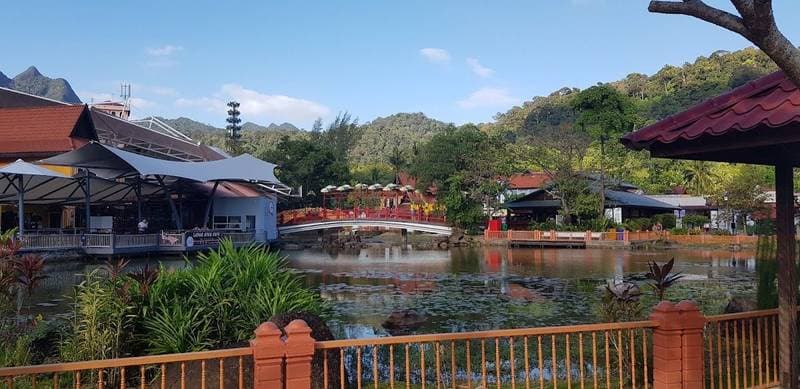
Langkawi Travel Guide: Plan Your Perfect Trip
By Matt Cuckston, Founder & Travel Technology Expert at TixLayer
Sitting off the northwest coast of Malaysia in the Andaman Sea, Langkawi is an archipelago of 99 islands that manages to feel both accessible and genuinely remote. It has the infrastructure of a well-developed tourist destination but still holds large stretches of rainforest, quiet fishing villages, and mangrove ecosystems that haven't been tamed for visitors. If you're researching things to do in Langkawi, you've likely already seen the headline attractions. This guide goes deeper, covering the practical details that actually shape your trip.
---
Getting There
Langkawi International Airport (LGK) is the main entry point and receives direct flights from Kuala Lumpur (about 55 minutes), Singapore, Penang, and a handful of regional hubs. AirAsia and Malaysia Airlines both serve the route from KL regularly, and fares are often very reasonable if booked in advance. The airport is small and easy to navigate.
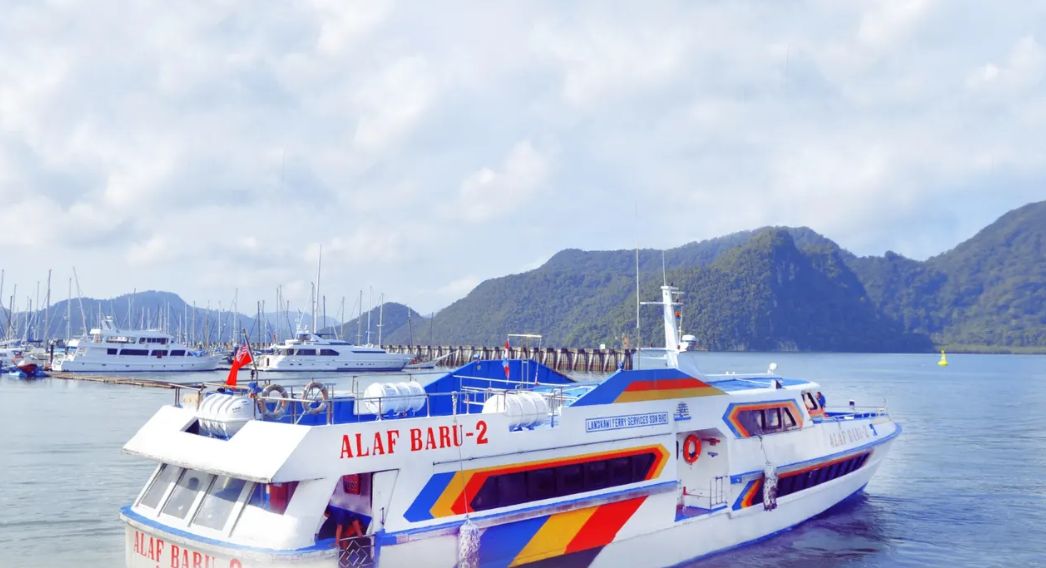
Alternatively, you can reach Langkawi by ferry from Kuala Perlis or Kuala Kedah on the Malaysian mainland, or from Penang if you want a more scenic approach. The ferry from Penang takes around 2.5 to 3 hours. If you're coming from southern Thailand, the Langkawi to Koh Lipe Ferry Transfer is a popular route that connects the two islands with ease, making it a natural addition to a wider regional itinerary.
---
Getting Around
This is the most important practical detail for Langkawi: you need your own transport. The island has no meaningful public bus network, and taxis are expensive relative to the rest of Malaysia. Renting a car or motorbike is by far the most practical option and is widely available at the airport and along Pantai Cenang. Expect to pay around MYR 60 to MYR 100 per day for a basic car rental.
Grab (the regional ride-hailing app) operates on the island but availability can be patchy outside the main tourist areas. If you don't want to drive, plan your accommodation around Pantai Cenang, where most things are within walking distance.
---
Best Areas to Stay

Pantai Cenang is the most popular base and for good reason. It has the highest concentration of restaurants, beach bars, shops, and tour operators. The beach itself is long and swimmable for most of the year.
Pantai Tengah sits just south of Cenang and is slightly quieter with a more relaxed pace. It appeals to couples and travellers who want to be close to the action without being in the middle of it.
Kuah Town is the main commercial hub and home to the ferry terminal. It's not a beach destination, but if you're on a tight budget it offers cheaper accommodation and good local food. Most visitors pass through Kuah but don't stay there.
Tanjung Rhu on the northeast coast is where the island's most upscale resorts sit. The beach here is arguably the most beautiful on the island, and the surrounding mangroves are exceptional. It's a long drive from most attractions but worth it if you want seclusion.
---
When to Visit

The best months to visit Langkawi are from November through April. This is the dry season, when rainfall is minimal and the sea is calm enough for water activities, island hopping, and snorkelling. December and January are peak months and prices reflect that, but the weather is reliably good.
May through October is the southwest monsoon season. Rain doesn't fall all day every day, but afternoon downpours are common and the sea can be rough, particularly between July and September. Some boat tours and water sports operators scale back or pause entirely during this period. If you travel in the shoulder months of May or October, you'll find fewer crowds and lower prices, but build flexibility into your plans.
Avoid the peak of monsoon season (August to September) if water-based activities are a priority for your trip.
---
What to See and Do
Langkawi's geography gives it an unusually wide range of experiences for a single island destination.
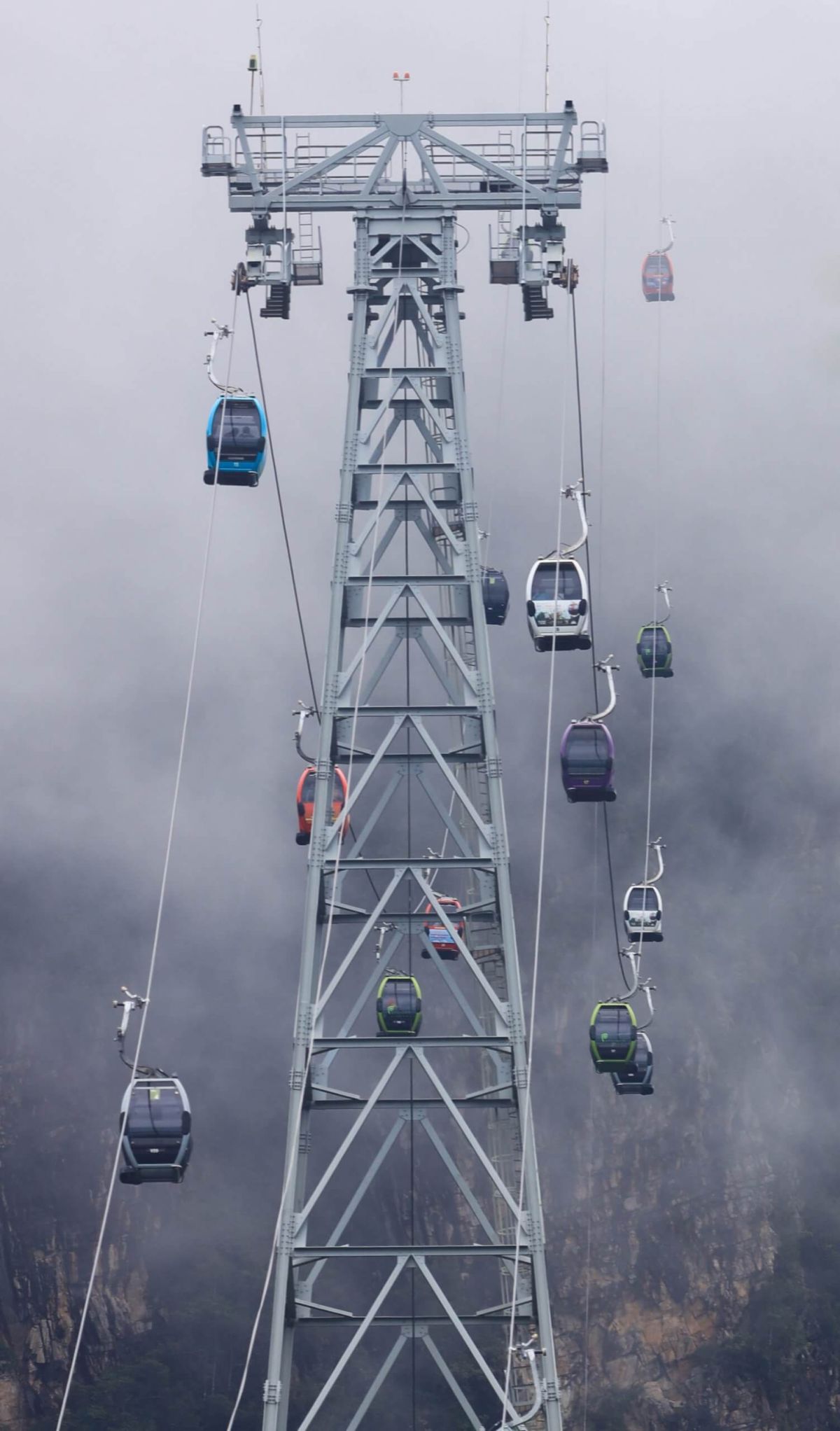
The Langkawi Cable Car (SkyCab) is one of the most recognisable experiences on the island. It climbs Mat Cincang, the second-highest peak in Langkawi, and offers views across the archipelago and into Thailand on clear days. Go early in the morning to avoid crowds and maximise your chances of clear skies.
For those who want to explore the island's natural waterways, the Langkawi Mangrove Tours Package takes you through one of the most ecologically significant mangrove systems in Southeast Asia. The Langkawi Tanjung Rhu Mangrove Speedboat Tour covers similar ground at a faster pace and is good for those who want to cover more distance. For a more in-depth, educational experience, the JungleWalla Langkawi UNESCO Geopark Mangrove Cruise is led by knowledgeable naturalist guides and is particularly good for wildlife spotting, including brahminy kites, monitor lizards, and mudskippers.
On the water, the Langkawi Island Hopping Tour is a reliable way to see the surrounding islands, including the famous Pregnant Maiden Lake (Tasik Dayang Bunting) and Beras Basah Island. For something more active, Langkawi Jet Ski Touring lets you cover the coastline at your own pace.
As evening approaches, the Langkawi Sunset Cruise Experience is genuinely worth doing. The light over the Andaman Sea at dusk is exceptional, and most cruises include drinks and light food on board.
---
Where to Eat
Langkawi is a duty-free island, which means alcohol is significantly cheaper here than anywhere else in Malaysia. That shapes the restaurant scene somewhat, with plenty of beachside spots that lean into the relaxed, drink-friendly atmosphere.
For local food, head to the night markets (Pasar Malam) that rotate through different villages on different nights of the week. The one in Kuah is particularly good. Nasi campur, grilled fish, and laksa are all worth seeking out.
Along Pantai Cenang, Yellow Cafe and The Cliff are popular choices for Western food and seafood with good views. For something more authentic and affordable, the row of local restaurants on Jalan Pantai Cenang away from the beachfront serves solid Malay and Thai food at a fraction of the tourist prices.
---
Budget Expectations
Langkawi sits in the middle of the Malaysian price spectrum. It's not as cheap as Penang or the east coast islands, but it's far more affordable than Bali or Phuket for comparable quality.
Budget travellers can manage comfortably on MYR 150 to MYR 250 per day, including a guesthouse, local meals, and a tour or two. Mid-range travellers spending MYR 350 to MYR 600 per day will have a very comfortable experience with a decent hotel, restaurant meals, and activities. The island's luxury resorts, particularly around Tanjung Rhu and Datai Bay, push costs considerably higher.
Duty-free alcohol and chocolate are genuinely good value. If you're stocking up, Kuah town has the best selection.
---
Insider Tips

The west coast at low tide reveals sandbars that most visitors never find. If you're staying near Pantai Cenang, check tide times and walk south along the beach in the late afternoon when the tide is out. The sandbars that appear between the shoreline and the small offshore islands make for excellent photography and a peaceful end to the day.
Book the SkyCab on a weekday and arrive before 9am. The cable car gets extremely busy on weekends, particularly with domestic tourists. Arriving early on a weekday cuts your wait time dramatically and gives you the top station almost to yourself before the crowds arrive.
The northwest of the island around Tanjung Rhu is a completely different Langkawi. Most visitors never leave the Pantai Cenang corridor. The drive north takes about 40 minutes and the landscape changes significantly, with limestone karst formations, cleaner water, and almost no other tourists. Even if you're not staying up there, it's worth making the trip for a half-day.
---
Practical Tips
- Bring cash. While cards are accepted in most tourist-facing businesses, local stalls and smaller operators are cash only. ATMs are available in Kuah and along Pantai Cenang.
- Sunscreen is available but expensive. Bring your own.
- Mosquito repellent is essential if you're doing any jungle or mangrove activity.
- The dress code is relaxed by Malaysian standards due to the tourist-heavy environment, but cover up when visiting Kuah town or local villages.
- Tipping is not customary in Malaysia but is appreciated in tourist areas.
Langkawi rewards travellers who go beyond the beach. With the right planning, it offers a genuinely well-rounded island experience that's hard to match in this part of the world.


