
Koh Samui Travel Guide: Plan Your Perfect Trip
By Matt Cuckston, Founder & Travel Technology Expert at TixLayer
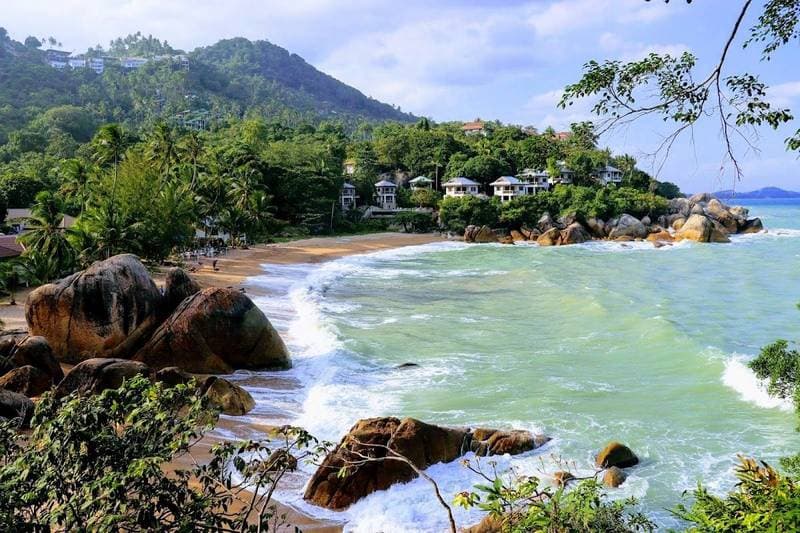
Koh Samui sits in the Gulf of Thailand about 700 kilometres south of Bangkok, and it has managed to grow into one of the country's most visited islands without losing the qualities that made it worth visiting in the first place. The beaches are genuinely beautiful, the food scene has real depth, and the interior of the island rewards anyone willing to leave the shoreline. If you're researching things to do in Koh Samui, you've come to the right place. This guide covers everything from transport logistics and neighbourhoods to seasonal advice, budget expectations, and a few tips that don't usually make it into the standard roundups.
Getting to Koh Samui
Samui International Airport is one of the few privately owned airports in Thailand, which keeps flight prices higher than you might expect. Bangkok Airways holds a near-monopoly on direct routes from Bangkok, so budget accordingly. Flights from Suvarnabhumi take around an hour and fifteen minutes. You can also fly in from Chiang Mai, Phuket, and several regional hubs including Singapore and Kuala Lumpur.
If you want to save money on the journey, take a train or bus from Bangkok to Surat Thani on the mainland, then catch a ferry across. The Lomprayah and Seatran ferries are the most reliable options. The full journey takes around 10 to 12 hours but costs a fraction of a flight. Night trains from Bangkok are a good option if you want to combine travel with sleep.
The main ferry piers on Samui are Nathon Pier on the west coast and Na Thon on the north. Most ferries from Surat Thani dock at Nathon.
Getting Around the Island

Koh Samui has a ring road that circles the entire island, making it relatively easy to navigate. That said, public transport is limited. Songthaews (shared pickup trucks with benches in the back) run along the main road and are the cheapest way to get between towns, but they don't run to a fixed schedule.
Renting a scooter is the most popular option for independent travellers and costs around 200 to 300 THB per day. Be cautious if you're not an experienced rider since the roads can be steep and slippery during wet weather. International driving licences are technically required.
Taxis exist but are metered poorly and prices are often negotiated. Grab (the Southeast Asian equivalent of Uber) works on Samui and tends to offer fairer pricing than street taxis. For day trips and island-hopping, booking a tour with transport included is often the most practical approach.
When to Visit
The Gulf of Thailand coast, where Koh Samui sits, has a different weather pattern to the Andaman Sea islands like Phuket and Krabi. This works in your favour for much of the year.
Best months: December through April brings dry, sunny weather with calm seas. February and March are particularly reliable. If you visit in January, expect higher prices and more tourists around the New Year period.
Shoulder season: May through July is warm and occasionally wet but still very manageable. Prices drop and the island is noticeably quieter.
What to avoid: October and November are the peak of Koh Samui's monsoon season. Heavy rain, strong winds, and rough seas are common. Some resorts close during this period and boat tours are frequently cancelled. If you're planning island-hopping or snorkelling trips, this is the time to skip.
Best Areas to Stay

Chaweng is the largest beach on the island and the most developed. It has the widest range of accommodation, restaurants, and nightlife, but it can feel overrun during peak season. Good for first-time visitors who want convenience.
Bophut and Fisherman's Village on the north coast offer a more relaxed atmosphere. The village has a good night market on Fridays and a range of independent restaurants. A solid choice for couples and those who want a quieter base.
Lamai sits south of Chaweng and is slightly less hectic. The beach is good and the town has enough restaurants and bars to keep things interesting without the full commercial intensity of Chaweng.
Maenam on the north coast is quieter still, with a long beach and a more local feel. It suits travellers who want to slow down and don't need to be in the middle of everything.
What to See and Do

The beaches are the obvious draw, but the island interior is worth exploring. The Na Muang waterfalls in the south are accessible by road and offer a good excuse to get into the jungle. The Big Buddha temple (Wat Phra Yai) on the northeast coast is worth a visit, particularly in the early morning before tour groups arrive.
For something more active, the Koh Samui Jungle Safari 4X4 Tour takes you through the island's forested interior in a way that most beach-focused visitors never experience. It's a good way to see a different side of the island.
Muay Thai is deeply embedded in Thai culture and watching a live fight is one of the most memorable things you can do on any Thai island. The Samui International Stadium Muay Thai Tickets and Samui Phetch Buncha Boxing Stadium Muay Thai Tickets both offer live bouts with a real atmosphere. Fights typically run two or three nights a week.
For wildlife, the Elephant Jungle Sanctuary Samui offers ethical elephant encounters where you can feed and spend time with the animals without riding them. It's one of the more responsible options on the island.
The waters around Samui are excellent for snorkelling and diving. A speedboat trip to Angthong Marine National Park covers 42 islands and includes kayaking through sea caves and lagoons. Alternatively, the Koh Tao and Koh Nangyuan Snorkeling Tour is one of the best day trips available from the island if you want clear water and good marine life.
Where to Eat

Koh Samui has food options across every price point. For cheap, reliable Thai food, the market stalls and local restaurants around Nathon town and Maenam serve dishes that cost 60 to 100 THB. Pad Thai, khao man gai (poached chicken with rice), and fresh seafood are all worth seeking out.
Fisherman's Village in Bophut has a concentration of good independent restaurants. The Friday Night Walking Street market here is one of the better food markets on the island. Chaweng has international options ranging from decent to overpriced, so it's worth walking a few streets back from the beach to find better value.
For a proper seafood dinner, the restaurants along the Chaweng beachfront and around Lamai serve fresh grilled fish, prawns, and crab. Prices are higher than inland spots but the quality is generally good.
Budget Expectations
Koh Samui sits in the mid-range to expensive bracket for Thailand. Budget travellers can get by on 1,200 to 1,800 THB per day if they stay in guesthouses, eat local food, and use songthaews. Mid-range travellers spending 3,000 to 5,000 THB per day will have comfortable accommodation, restaurant meals, and a tour or activity included. Luxury resorts on the north and east coasts can run to 15,000 THB per night and beyond.
The main areas where costs creep up are transport (taxis are expensive), imported alcohol, and resort dining. Cooking your own food or eating at local spots makes a significant difference.
Insider Tips
The west coast at sunset is underrated. Most visitors gravitate to the east-facing beaches, but the road along the west coast near Nathon offers quiet spots where you can watch the sun go down over the mainland hills with almost no one around.
Book boat tours directly through operators at the pier. Many hotels and travel desks add a significant markup to day tours. Walking down to the pier at Nathon or Bophut and comparing prices directly with operators often saves 200 to 400 THB per person.
The ring road is longer than it looks on a map. The full circuit is around 51 kilometres, and the roads through the interior are steep and winding. If you're renting a scooter and planning to cross the island, allow more time than you think you need and check your fuel before heading into the hills.
Practical Tips

- Carry cash. Many smaller restaurants, markets, and local transport options don't accept cards.
- Dress modestly when visiting temples. Shoulders and knees should be covered.
- Sunscreen is expensive on the island compared to buying it before you arrive.
- SIM cards are available at the airport and in convenience stores. AIS and DTAC both offer good coverage.
- Travel insurance that covers water sports and scooter riding is strongly recommended.
Koh Samui rewards travellers who look beyond the main beach strips. The combination of reliable infrastructure, good food, and genuine natural beauty makes it one of the easier Thai islands to visit, and one of the most satisfying to explore properly.


