
Incheon Travel Guide: Plan Your Perfect Trip
By Matt Cuckston, Founder & Travel Technology Expert at TixLayer
Most travellers pass through Incheon International Airport, collect their bags, and head straight to Seoul without a second thought. That's a missed opportunity. Incheon is a city with genuine character, a layered history, and a surprising range of things to do in Incheon that go well beyond its reputation as a transit hub. Whether you're planning a full stay or a day trip from Seoul, this guide gives you everything you need to make the most of it.
---
Getting There

Incheon International Airport is one of the best-connected airports in Asia and consistently ranks among the world's top airports for service and efficiency. It operates two terminals, T1 and T2, so confirm which terminal your airline uses before you travel.
Once you land, your first decision is how to get to central Seoul or elsewhere in South Korea. The AREX (Airport Railroad Express) runs directly from the airport to Seoul Station in around 43 minutes on the express service, or about 66 minutes on the all-stop commuter train. It's affordable, reliable, and runs from early morning until midnight.
If you prefer a more comfortable ride with luggage space and a scenic view, the Incheon Airport to Seoul transfer by K-Limousine bus is a popular choice, dropping passengers at major hotels and transport hubs across the city. For those heading to northern Seoul specifically, the 6100 Limousine Bus from T1 or T2 offers a direct, comfortable connection at a discounted rate.
If you plan to travel beyond Seoul into other regions of South Korea, the KORAIL Discounted KTX Train Pass is excellent value. It gives you unlimited KTX high-speed train rides over 2 to 5 days, letting you reach Busan, Gyeongju, or Jeju connections without buying individual tickets each time.
---
Getting Around Incheon

Incheon has a solid metro system that connects its key districts, including Bupyeong, Songdo, and the areas around the airport. The Incheon Metro Line 1 and Line 2, along with Seoul Metro extensions, cover most places visitors want to reach. A T-money card, loaded with credit and tapped on entry and exit, works across buses, metros, and even some taxis.
Taxis are metered, reasonably priced by international standards, and widely available. Kakao T, the local ride-hailing app, works well and lets you book in advance without needing Korean language skills.
If you have a long layover and want to leave your bags at the airport before exploring, Hillco's Luggage Storage Service at T1 and T2 is a practical solution that frees you up to explore without dragging your suitcase around.
---
Best Neighbourhoods to Explore
Chinatown and Jayu Park
Incheon's Chinatown is the only officially designated Chinatown in South Korea. It dates back to the 1880s when Chinese merchants settled near the port. The streets are lined with Chinese-Korean restaurants, colourful murals, and traditional architecture. Directly adjacent is Jayu Park, the first Western-style public park in Korea, which offers good views over the port.
Songdo International Business District
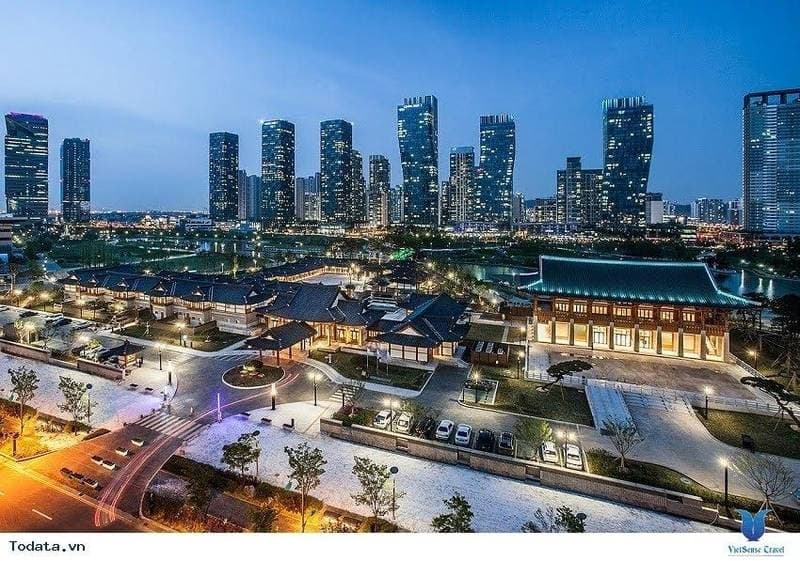
Songdo is a purpose-built smart city built on reclaimed land. It's sleek, modern, and very walkable, with Central Park running through its centre. The park features a canal, bike rentals, and open green space that feels genuinely relaxing. It's a sharp contrast to the older parts of the city and worth a half-day visit.
Wolmido Island
Connected to the mainland by a causeway, Wolmido has a small amusement park, seafood restaurants, and a pleasant waterfront promenade. It's popular with local families and couples, especially at sunset.
Jung-gu (Open Port Area)
This historic district near the original port contains well-preserved colonial-era buildings from the late 19th and early 20th centuries. The Incheon Open Port Modern Architecture Museum and the nearby streets give a clear sense of the city's trading past.
---
When to Visit
The best months to visit Incheon are April to June and September to November. Spring brings mild temperatures and cherry blossoms in parks across the city, while autumn offers clear skies, cooler air, and vivid foliage. Both seasons are comfortable for walking and outdoor exploration.
July and August are hot and humid, with the monsoon season bringing heavy rain in July. It's not impossible to visit, but you'll want to plan indoor activities and carry an umbrella at all times.
Winter (December to February) is cold, occasionally dropping below freezing, and the wind off the Yellow Sea can make it feel sharper than the temperature suggests. That said, winter crowds are thin, prices are lower, and the city takes on a different atmosphere that some travellers prefer.
Avoid travelling during the Chuseok (Korean Thanksgiving) and Seollal (Lunar New Year) holidays unless you've booked transport well in advance. Trains and buses sell out quickly, and many local restaurants and shops close for several days.
---
What to See and Do

Beyond the neighbourhoods listed above, Incheon has a growing range of entertainment and cultural experiences. Paradise City, located just minutes from the airport, is an integrated resort with art installations, a casino, restaurants, and the Paradise City Cimer spa, which offers high-end wellness treatments in a genuinely impressive setting. It's a good option for travellers with long layovers who want something more than the airport lounge.
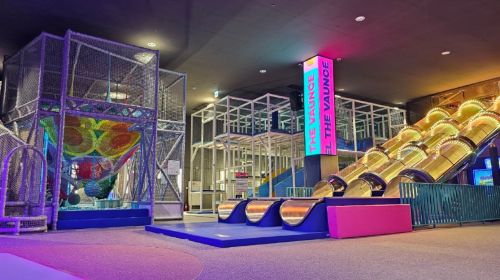
For families or groups looking for creative, hands-on experiences, Wonder Box and VAUNCE INSPIRE offer immersive, interactive attractions that work well for both children and adults.
If you want professional photos to document your trip, a personalised travel photography experience in Incheon includes a driver, guide, styling, and aerial photography options, ideal for capturing the city's mix of historic and modern backdrops.
---
Where to Eat

Incheon's food scene is strong, particularly if you enjoy seafood and Chinese-Korean fusion dishes. Jjajangmyeon (black bean noodles) and jjamppong (spicy seafood noodle soup) are the dishes most associated with the city's Chinatown, and you'll find them on almost every corner there.
The Sinpo International Market is worth a visit for street food, including the local specialty Sinpo dak-gangjeong, a sweet and crispy fried chicken that has been sold here for decades. It's inexpensive, filling, and genuinely good.
For seafood, the restaurants around Yeongjongdo Island and the Sorae Fish Market offer fresh catches at reasonable prices. Sorae is especially good on weekend mornings when the market is at its liveliest.
---
Budget Expectations
Incheon is moderately priced by global standards. A bowl of noodles or a street food meal costs between 5,000 and 10,000 KRW (roughly $4 to $8 USD). A sit-down restaurant meal for two with drinks typically runs 30,000 to 60,000 KRW. Budget accommodation near Bupyeong or Jung-gu starts around 40,000 to 60,000 KRW per night, while mid-range hotels in Songdo or near the airport range from 100,000 to 200,000 KRW. Transport is very affordable, with metro rides rarely exceeding 1,500 KRW.
---
Insider Tips
Use the airport's free transit tour. If you have a layover of five hours or more, Incheon Airport offers a free guided tour of the city for transit passengers. It's not widely advertised, but it's a legitimate way to see Chinatown and the open port area without spending anything.
The Gyeyang Mountain trail is largely overlooked. Most visitors skip it entirely, but the hike to the summit takes around 90 minutes and gives panoramic views across the city and the Yellow Sea. Go on a weekday morning and you'll have the trail mostly to yourself.
Songdo's Central Park canal boats are free on certain days. The canal boat rides through Central Park are a pleasant way to see the district, and the park authority occasionally offers free rides during public holidays and local festivals. Check the Incheon Tourism Organisation website before your visit.
---
Incheon is a city that consistently surprises travellers who give it more than a few hours. With the right planning, it works equally well as a base for exploring South Korea or as a destination in its own right.


![[Luggage Storage] Incheon Airport T1/T2 Storage Service - Hillco](/_next/image?url=https%3A%2F%2Fuat.tixlayer.com%2Fstorage%2Fattractions%2F7541%2Fsupplier_0.jpg&w=3840&q=75)
![[Airport Bus] 6100 Limousine Bus Discount Ticket (T1 Departure)](/_next/image?url=https%3A%2F%2Fuat.tixlayer.com%2Fstorage%2Fattractions%2F7527%2Fsupplier_0.jpg&w=3840&q=75)
![[Airport Bus] 6100 Limousine Bus Discount Ticket (T2 Departure)](/_next/image?url=https%3A%2F%2Fuat.tixlayer.com%2Fstorage%2Fattractions%2F7528%2Fsupplier_0.jpg&w=3840&q=75)