
Darwin Travel Guide: Plan Your Perfect Trip
By Matt Cuckston, Founder & Travel Technology Expert at TixLayer
Sitting at the top of Australia's Northern Territory, Darwin is a city that rewards curiosity. It's compact, unpretentious, and surrounded by some of the most dramatic natural scenery on the continent. If you're searching for things to do in Darwin, you'll quickly discover the options stretch far beyond the city limits — from crocodile encounters in the heart of town to ancient rock art in Kakadu, just a few hours away. This guide gives you everything you need to plan a trip that actually makes sense.
---
Getting to Darwin
Darwin International Airport sits about 15 kilometres from the city centre and is well connected to major Australian cities. Qantas, Jetstar, and Virgin Australia all operate regular direct flights from Sydney, Melbourne, Brisbane, and Perth. Flight times range from roughly three hours from Perth to around four and a half hours from Sydney.
If you're driving, the Stuart Highway connects Darwin to Alice Springs (about 1,500 kilometres south), and the journey is popular with road trippers who want to experience the sheer scale of the outback. It's a serious undertaking and requires solid preparation, but it's one of Australia's great drives.
There's no passenger rail service directly into Darwin, though the Ghan train from Adelaide to Darwin is a bucket-list journey in its own right, stopping at Alice Springs along the way.
---
Getting Around Darwin
Darwin is a car-friendly city and having your own vehicle makes a significant difference, especially if you want to explore beyond the urban centre. Car hire is available at the airport from all major providers. Book ahead during peak season as availability tightens quickly.
Within the city, the Sunbus public bus network covers most key areas and is affordable. Taxis and rideshares (Uber operates here) are reliable for shorter trips. Cycling is genuinely viable in the dry season when temperatures are more forgiving, and there are dedicated paths along the waterfront.
For those who'd rather leave the navigation to someone else, the Darwin Hop On Hop Off Bus Tour is a practical way to cover the main attractions at your own pace without worrying about parking or directions.
---
When to Visit Darwin

Darwin has two distinct seasons, and timing your visit around them is probably the single most important planning decision you'll make.
The Dry Season (May to October) is when most visitors come, and for good reason. Temperatures sit between 25 and 33 degrees Celsius, humidity is low, and rainfall is rare. This is the best time to visit national parks, take boat cruises, and spend time outdoors. June, July, and August are the most popular months.
The Wet Season (November to April) brings intense heat, high humidity, and dramatic afternoon thunderstorms. Some roads flood and certain tours and parks become inaccessible. However, the landscape transforms into something genuinely spectacular, waterfalls run at full force, and tourist crowds thin out considerably. Accommodation prices also drop. If you're comfortable with heat and unpredictability, visiting in the shoulder months of May or October gives you a taste of the green season without the worst of the conditions.
Avoid the peak of the wet season (January and February) if you're planning to explore Litchfield or Kakadu, as access can be severely limited.
---
Best Neighbourhoods to Stay In
Darwin CBD is the most convenient base, putting you within walking distance of the waterfront, Mindil Beach, and most restaurants and bars. It suits travellers who want to keep things simple.
Parap is a quieter, leafier suburb about five minutes from the city centre. It has a well-regarded Saturday market and a more local feel. Good for those who want to self-cater or get off the tourist circuit slightly.
Cullen Bay is a marina precinct with a more polished atmosphere. It's popular with those after waterfront dining and easy access to harbour cruises.
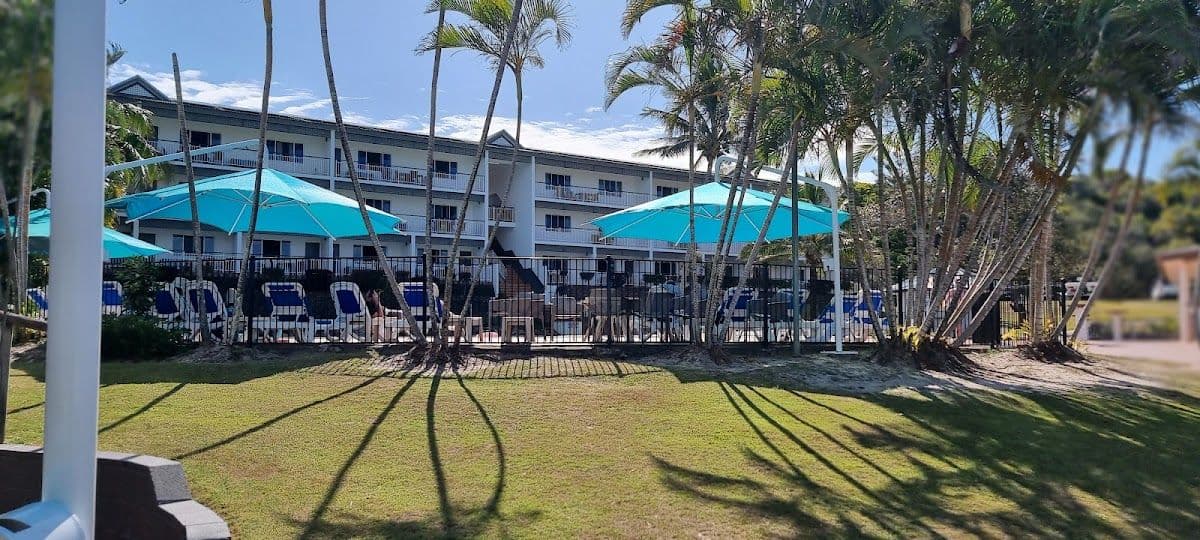
Fannie Bay sits between the CBD and the airport, close to the museum and East Point Reserve. It's a comfortable mid-range option with easy access to both the city and natural areas.
---
What to See and Do
Darwin punches well above its size when it comes to experiences. The crocodile encounters alone set it apart from anywhere else in Australia.
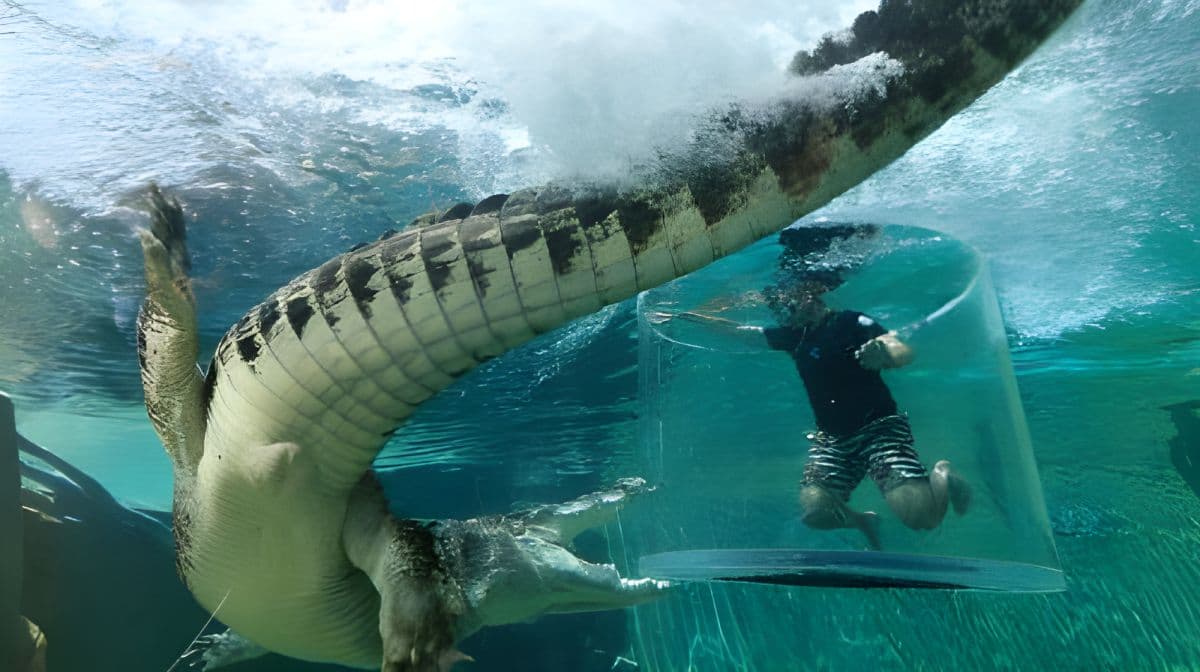
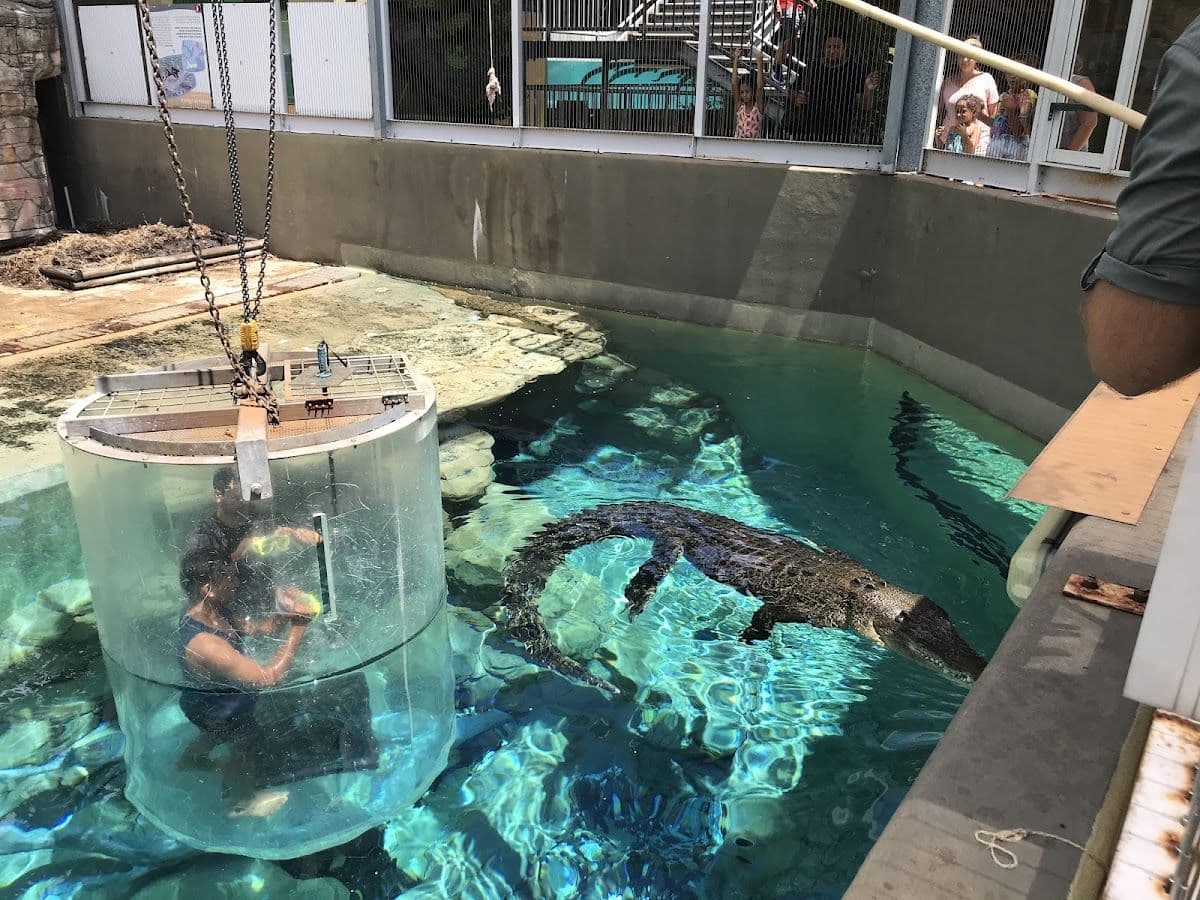
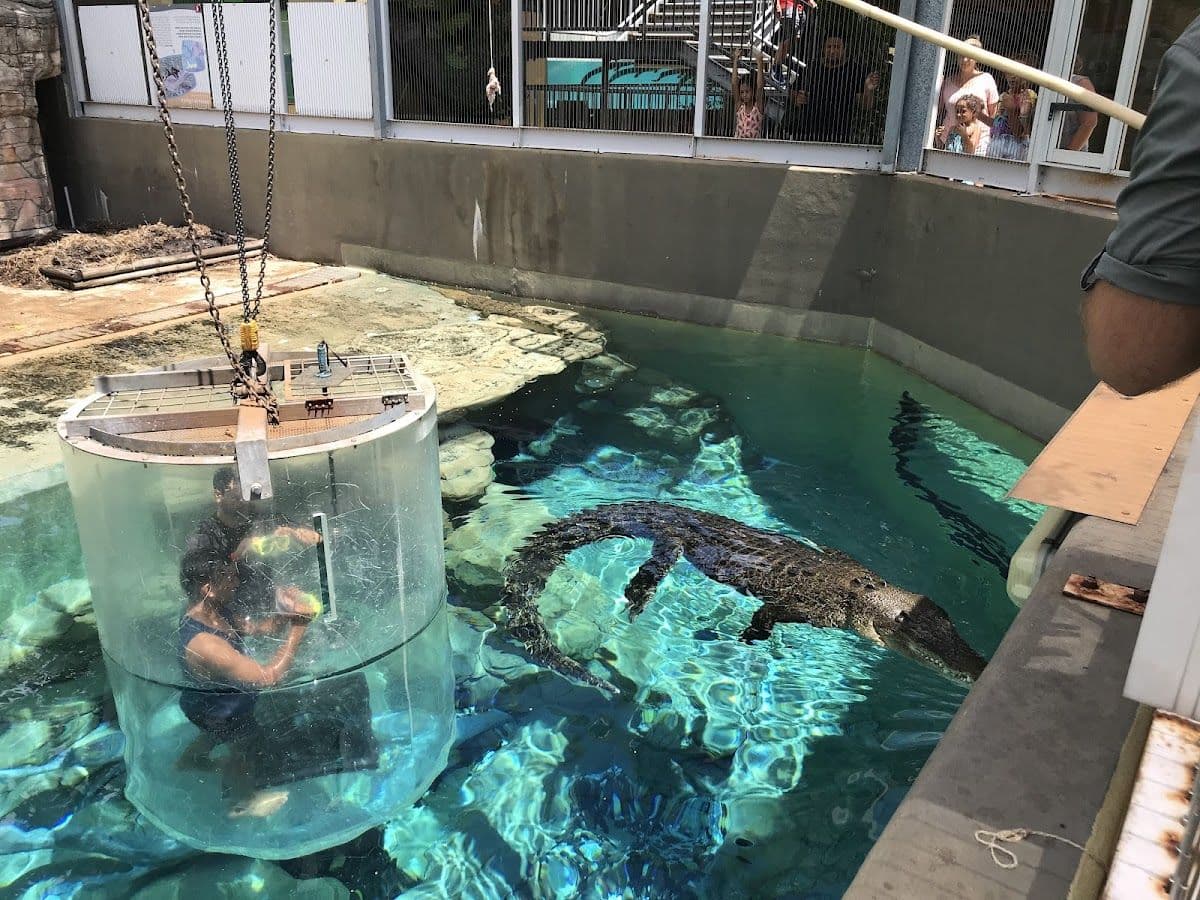
Crocosaurus Cove is right in the middle of Mitchell Street and houses some of the largest saltwater crocodiles in captivity. You can book general admission tickets to explore at your own pace, or go further with the Cage of Death Tandem Dive, where you're lowered into a perspex enclosure surrounded by massive crocs. It's genuinely thrilling and unlike anything most travellers have done before.
For those who prefer their wildlife from a safer distance, the Darwin Harbour Cruise offers a relaxed evening on the water with sunset views and local food. The harbour is one of the largest in the world and looks extraordinary in the late afternoon light.
Outside the city, the Litchfield National Park Waterfalls Guided Tour is one of the most popular day trips from Darwin. The park is about 100 kilometres south and features magnetic termite mounds, natural swimming holes, and cascading waterfalls. A guided tour takes the stress out of logistics and adds context you'd miss going alone.
For history, the Darwin Aviation Museum is worth two to three hours of your time. Darwin was bombed by Japanese forces in 1942, and the museum does a thorough job of documenting both that period and the broader story of aviation in the Top End.
---
Where to Eat

Darwin's food scene reflects its geography and demographics. Southeast Asian influences are strong, and you'll find excellent Vietnamese, Thai, and Indonesian food across the city.
Mindil Beach Sunset Market (open Thursday and Sunday evenings during the dry season) is the most famous food experience in Darwin. Dozens of stalls offer everything from laksa to barramundi wraps. Arrive early, grab food, and find a spot on the beach to watch the sun drop into the Timor Sea.
Parap Village Market (Saturday mornings) is smaller but arguably better for serious food. The laksa here has a devoted following.
For sit-down dining, Cullen Bay has a cluster of reliable restaurants. Seafood is the obvious choice given the location, and barramundi caught locally is consistently good. Budget around $25 to $45 per main at a mid-range restaurant.
---
Budget Expectations
Darwin sits in the mid-to-high range for Australian cities. The isolation drives up the cost of goods, and accommodation during peak dry season can be expensive. Expect to pay $150 to $250 per night for a decent hotel in the CBD during June through August. Budget accommodation (hostels and basic motels) starts around $40 to $80 per night.
Food costs are manageable if you use the markets and local cafes. A full meal at Mindil Beach will set you back $15 to $25. Supermarket prices are noticeably higher than in southern cities.
Activities vary widely. Entry to Crocosaurus Cove is around $40, while the Cage of Death experience costs considerably more. Day tours to Litchfield or Kakadu typically run $150 to $250 per person depending on inclusions.
---
Insider Tips
The Sunset is a Social Event: Darwin locals treat the evening sunset as a genuine ritual. East Point Reserve is less crowded than Mindil Beach and offers an equally spectacular view across the water. Bring a blanket and something cold to drink.
Swim Smart: The ocean around Darwin is home to saltwater crocodiles and box jellyfish. Stick to designated swimming areas, swimming holes in national parks (during dry season when they've been checked), and managed pools. The water looks inviting but the rules exist for good reason.
Visit the Museum on a Weekday Morning: The Museum and Art Gallery of the Northern Territory has one of the best collections of Aboriginal art in the country, plus an extraordinary exhibit on Cyclone Tracy, which flattened the city in 1974. It's free to enter and almost always quiet before 10am on weekdays.
---
Final Word
Darwin rewards travellers who come with a genuine sense of curiosity and a willingness to move at the city's own pace. It's not trying to compete with Sydney or Melbourne, and that's exactly what makes it worth the trip. Plan around the dry season if you can, build in at least one day trip to the national parks, and give yourself time to simply sit by the water as the sun goes down.