
Chablis Travel Guide: Plan Your Perfect Trip
By Matt Cuckston, Founder & Travel Technology Expert at TixLayer
Nestled in the northern reaches of Burgundy, Chablis is one of those rare places where a single product has shaped an entire town's identity, landscape, and culture. Famous the world over for its crisp, mineral-driven white wines, this compact medieval town sits along the Serein River and draws visitors who want more than just a glass of wine. They want the full picture: the limestone hillsides, the ancient cellars, the local markets, and the unhurried rhythm of life in rural France. If you're researching things to do in Chablis, you're in the right place. This guide covers everything from transport and budgeting to the best times to visit and a few tips you won't find in the standard brochures.
---
Getting to Chablis

Chablis is not directly served by a train station, which surprises many first-time visitors. The nearest rail hub is Auxerre, approximately 20 kilometres to the south, which is well connected to Paris Gare de Lyon with journey times of around 1 hour 45 minutes on the fastest services. From Auxerre, you can take a local bus or taxi to Chablis, though bus frequency is limited, especially on weekends.
Driving is the most practical option for most visitors. From Paris, the journey takes roughly two hours via the A6 motorway heading south, then the D965. If you're combining Chablis with a broader Burgundy itinerary, a rental car gives you the freedom to explore the surrounding villages and vineyard roads at your own pace. Parking in town is straightforward and largely free.
For those coming from further afield, Lyon Saint-Exupéry and Paris Charles de Gaulle are the most convenient international airports. Dijon is also a useful base if you're planning to explore multiple Burgundy appellations, and several excellent Burgundy wine day trips depart from Dijon for those who prefer not to drive themselves.
---
Getting Around

Chablis itself is entirely walkable. The town centre is compact, and you can reach the main vineyards, the collegiate church of Saint-Martin, and the majority of wine producers on foot within 15 to 20 minutes. For the Grand Cru vineyards on the slopes above town, a short walk or bike ride is all that's needed.
Cycling is a genuinely enjoyable way to explore the surrounding area. Several local producers offer or recommend routes through the premier cru and grand cru plots. If you want a more structured experience, the Grands Crus Tour by electric Méhari with Chablis wine tasting is a fun alternative that covers the key vineyard sites without requiring any planning on your part.
For day trips to Auxerre, Tonnerre, or further into Burgundy, you will need a car or to book a guided excursion.
---
When to Visit
The best months to visit Chablis are May through October, with late summer and early autumn being the sweet spot. September and October are harvest season, when the vineyards are at their most atmospheric and many domaines welcome visitors for tastings and cellar tours. The energy in town is noticeably different during harvest, and it's the period when you're most likely to see the winemaking process in action.
Spring, particularly May and June, offers mild temperatures, blooming countryside, and fewer crowds than peak summer. July and August bring the most visitors and the warmest weather, which can make the town feel a little crowded, though it never reaches the scale of larger tourist destinations.
Winter visits are possible but limited. Many smaller producers reduce their opening hours significantly between November and March, and some close entirely. The town itself is quiet to the point of being sleepy, which suits some travellers perfectly but can frustrate those hoping to visit multiple domaines.
Avoid: The weeks immediately after harvest (late October to early November) can be an awkward in-between period when producers are exhausted and not yet ready to receive visitors properly.
---
What to See and Do

The vineyards are the main draw, and a visit to a local domaine should be near the top of your list. The wine and oyster tasting at Chablis is a classic pairing that makes perfect sense once you understand the region's geology: the same Kimmeridgian limestone that gives Chablis its distinctive mineral character is packed with ancient oyster fossils, making the combination more than just a marketing concept. It's a genuinely delicious way to understand the wine.
For a more intimate and educational experience, the guided vineyard tour and tasting at Clotilde Davenne is one of the best options in the area. Clotilde Davenne is a respected producer with a clear, thoughtful approach to explaining the differences between village, premier cru, and grand cru wines.
Beyond wine, the Collegiate Church of Saint-Martin is worth an hour of your time. Built in the 12th century, it retains a quiet, unrestored character that many of France's more famous churches have lost. The old town around it, with its stone bridges over the Serein and its modest market square, rewards slow, aimless walking.
If you have a car and want to extend your cultural itinerary, the Abbaye de Cluny is one of Burgundy's most significant historical sites and makes for an excellent half-day excursion.
---
Where to Eat

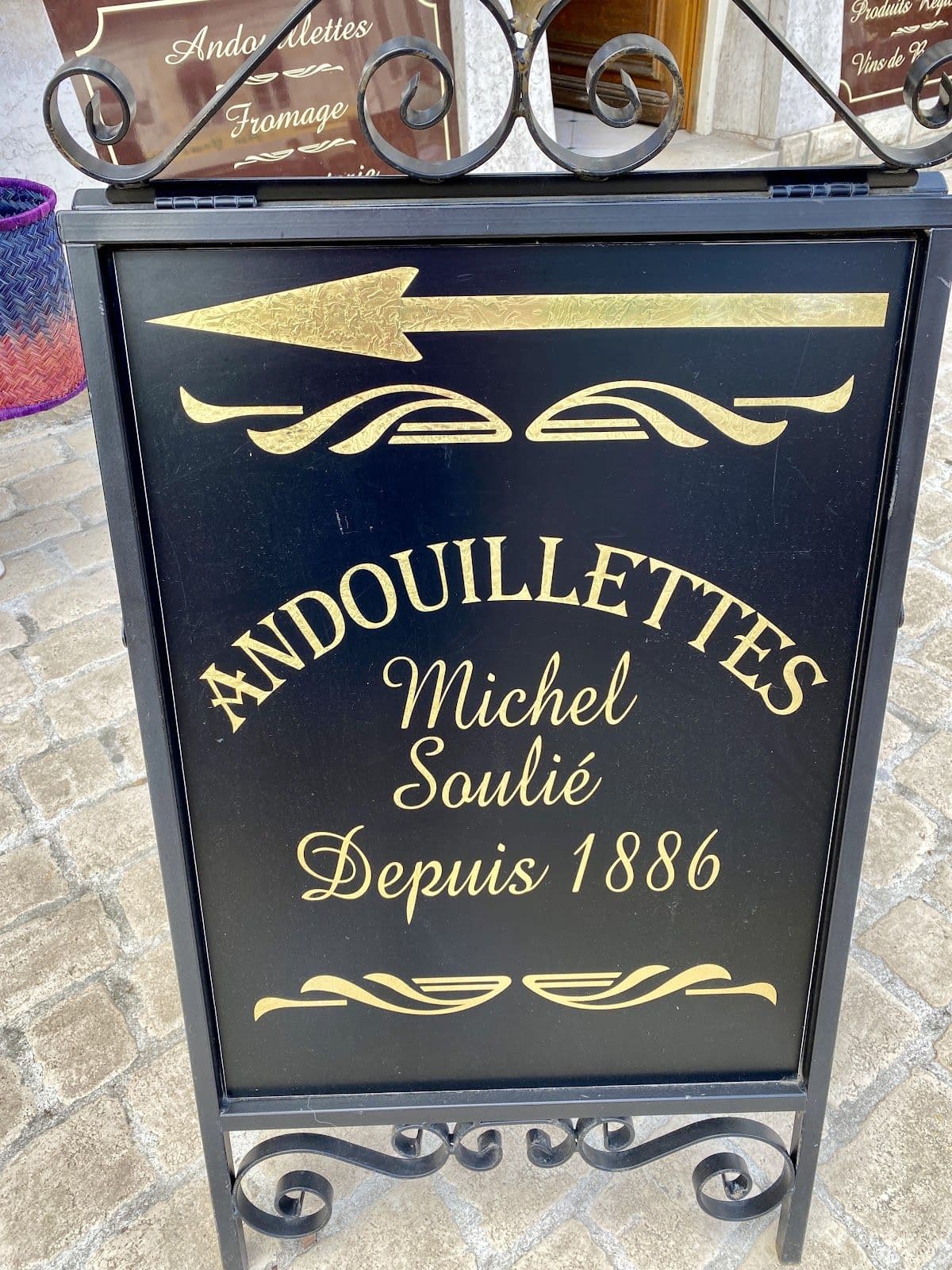
Chablis has a small but solid dining scene that punches above its size. The local cuisine leans on classic Burgundian staples: escargots, andouillette, beef bourguignon, and anything involving the local cheese, Époisses.
Au Fil du Zinc is a reliable choice for traditional French cooking at reasonable prices. Hostellerie des Clos is the town's most celebrated restaurant, with a Michelin-starred kitchen and an exceptional wine list that showcases the full range of Chablis appellations. It is not cheap, but for a special occasion dinner it is hard to beat.
For a casual lunch, the local boulangeries and the weekly market (held on Sunday mornings) are the most affordable options. Picking up cheese, charcuterie, and a bottle from a producer for a vineyard picnic is genuinely one of the best meals you can have here.
---
Budget Expectations
Chablis sits in the middle range for French travel. Accommodation is generally affordable compared to Paris or Lyon, with comfortable chambres d'hôtes available from around €80 to €120 per night. The Hostellerie des Clos is the main upscale option in town, with rooms starting around €150.
Wine tasting visits to local domaines are often free or low-cost (typically €5 to €15 for a structured tasting), though the bottles you inevitably want to take home can add up quickly. Dining at a mid-range restaurant will cost roughly €30 to €50 per person with wine. Overall, a two-night trip with tastings, one nice dinner, and transport from Paris should be achievable for €400 to €600 per person depending on your choices.
---
Insider Tips
Book domaine visits in advance. Many of the smaller, high-quality producers in Chablis operate by appointment only. Showing up unannounced during harvest season or on a Monday (when many are closed) will leave you disappointed. Email ahead, even just a day or two before.
Go beyond the grand crus. The grand cru and premier cru wines get all the attention, but some of the most interesting drinking in the region comes from producers working carefully with village-level and petit Chablis fruit. Ask your host specifically about their village-level wines and why they find them interesting. You'll often get a more candid and personal conversation.
The Serein River walk is underused. Most visitors head straight for the vineyards and miss the quiet riverside path that runs along the Serein through and beyond the town. It takes about 30 minutes to walk in either direction and gives you a completely different perspective on the landscape, especially in the early morning before the wine tourists arrive.
---
Practical Tips

- Language: English is spoken at most wine-focused businesses, but basic French is appreciated and goes a long way in smaller establishments.
- Cash: Carry some euros in cash. A number of smaller producers and market vendors do not accept cards.
- Driving after tastings: If you plan to visit multiple domaines in a day, designate a driver or use a guided tour. The roads around the vineyards are narrow and enforcement of drink-driving laws is real.
- Mobile signal: Coverage is generally good in town but can be patchy in the vineyard slopes. Download offline maps before you head out.
- Sunday hours: Many shops and some restaurants are closed on Sunday afternoon and all day Monday. Plan your grocery and provisioning stops accordingly.
Chablis rewards visitors who slow down, ask questions, and resist the urge to rush through a checklist. Come for the wine, stay for the landscape, and leave with a much more nuanced understanding of why this small corner of Burgundy has earned such an outsized reputation.

