
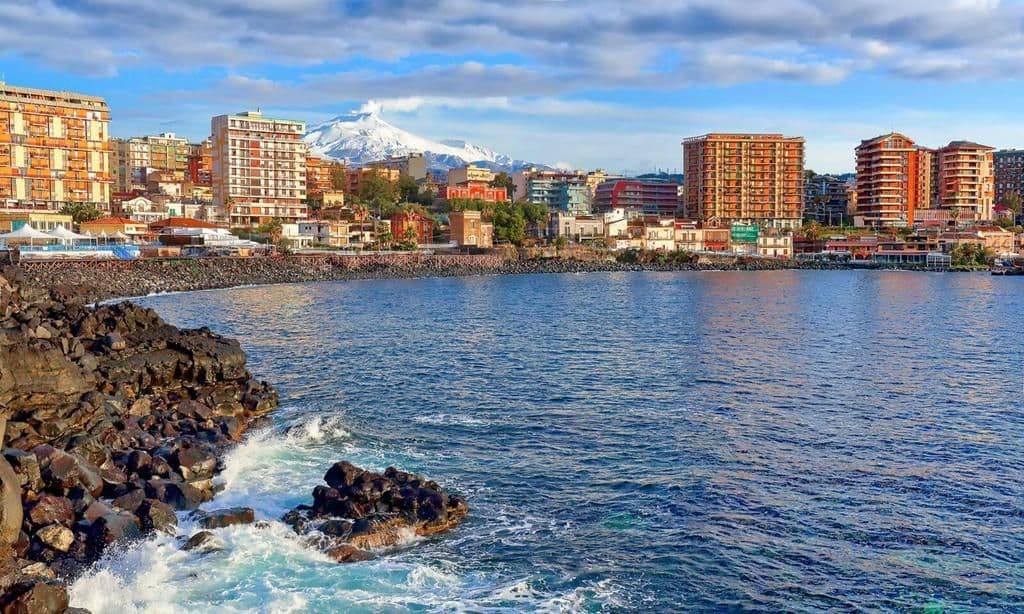
Catania Travel Guide: Plan Your Perfect Trip
By Matt Cuckston, Founder & Travel Technology Expert at TixLayer
Catania sits at the foot of Mount Etna on Sicily's eastern coast, and it consistently surprises first-time visitors who expected a quieter, less interesting version of Palermo. The city has its own identity, its own food culture, and a pace that feels authentically Sicilian rather than tourist-polished. If you're searching for things to do in Catania, you'll find the list runs longer than most people expect. This guide covers everything you need to know to plan your trip well.
Getting There
Catania Fontanarossa Airport (CTA) is Sicily's busiest airport and receives direct flights from most major European cities, including London, Amsterdam, Berlin, and Paris. Ryanair, easyJet, and Vueling all operate routes here, so fares are competitive if you book a few weeks in advance.
From the airport, the Alibus shuttle runs directly to the city centre and costs around €4. It drops you near the main train station and Piazza Borsellino, making it the most practical option for most travellers. Taxis are available but significantly more expensive, typically €25-35 to the centre.
If you're arriving by train, Catania Centrale connects to Messina, Syracuse, and Palermo. The Messina route is particularly useful if you're coming from the Italian mainland via the ferry crossing at Villa San Giovanni. Journey times are longer than in northern Italy due to the single-track sections, so factor that into your planning.
Getting Around
The city centre is walkable. Most of the key sights, markets, and restaurants sit within a reasonable distance of Piazza del Duomo, and you'll cover a lot of ground on foot without any trouble.
For longer journeys, AMT buses cover the city and surrounding areas. Single tickets cost around €1.20 and are valid for 90 minutes. Buy them from tabacchi shops before boarding. There is also a small metro line (two lines), though it's limited in scope and mainly useful for reaching the northern suburbs.
For Mount Etna excursions, the Ferrovia Circumetnea train circles the base of the volcano and is a scenic option for reaching Nicolosi or Bronte. That said, most people find it easier to join an organised tour that handles the logistics. Options like the Etna Trekking Tour with Local Products Tasting or the Half-Day 4x4 Tour of Mount Etna with Lava Cave and Local Tastings include transport from the city, which saves considerable time and planning effort.
Renting a car is worth considering if you plan to explore the wider Sicilian coast, but within Catania itself, parking is frustrating and largely unnecessary.
Best Neighbourhoods to Stay In
Historic Centre (Centro Storico): The area around Piazza del Duomo and Via Etnea is the most convenient base. You're within walking distance of the fish market, the main churches, and the best restaurants. Accommodation here ranges from budget B&Bs to boutique hotels.
Borgo: Just north of the centre, Borgo has a more local feel with fewer tourists. It's a good option if you want to be close to the action but prefer quieter streets in the evenings.
Ognina: A coastal neighbourhood in the north of the city with a small harbour. It's further from the main sights but pleasant for an evening walk and has some excellent seafood restaurants.
When to Visit
The best months to visit are April, May, September, and October. Spring brings warm temperatures, lower crowds, and the city at its most photogenic. Early autumn offers similar conditions after the peak summer rush has passed.
July and August are extremely hot, often reaching 35°C or above. The city doesn't slow down entirely in summer, but it becomes uncomfortable for extended sightseeing, and prices rise sharply. If you visit in August, plan outdoor activities for early morning and late evening.
Winter is mild by northern European standards, with temperatures rarely dropping below 10°C. It's a good time to visit if you want the city largely to yourself, though some coastal businesses close between November and March. Mount Etna at altitude can be cold and occasionally snowy in winter, which actually makes for dramatic scenery on the upper slopes.
Avoid visiting during Ferragosto (August 15th and the surrounding week) unless you specifically want to experience the Italian holiday atmosphere. Many local shops and restaurants close, and the city fills with domestic tourists.
What to See and Do

Piazza del Duomo and the Elephant Fountain: The baroque square at the heart of the city is the natural starting point. The lava stone elephant, Catania's symbol, sits at the centre and is worth understanding in context. A Guided Walking Tour of Catania is the most efficient way to make sense of the architecture and history packed into this area.
La Pescheria: The fish market operates every morning except Sunday and is one of the most atmospheric markets in Italy. It's loud, chaotic, and genuinely working rather than performed for visitors. Arrive before 10am for the full experience.
Mount Etna: Europe's most active volcano dominates the skyline and deserves at least a half day of your trip. The Mount Etna Trek to 3000m with cable car and jeep takes you to the upper craters with a combination of cable car and jeep transport, offering views that are genuinely difficult to describe. The Full-Day Etna and Taormina Tour from Catania is a good option if you want to combine Etna with a visit to Taormina in a single day.
Cyclopean Islands: A short distance up the coast near Aci Trezza, these basalt sea stacks are tied to the legend of the Cyclops. A Boat Tour and Snorkelling Around the Cyclopean Islands gives you the best perspective and access to the clear water around the rocks.
Ortygia: Technically part of Syracuse rather than Catania, Ortygia is about 60km south and easily reachable by train or car. The island's medieval streets and Greek ruins make it one of the most beautiful spots in Sicily. If you're based in Catania and want to see it from the water, the Ortygia boat ride offers a different perspective on the island.
Where to Eat
Catania's food culture is one of the strongest arguments for visiting. The city has a genuine street food tradition that predates the current global enthusiasm for the format.
Arancini (fried rice balls), pasta alla Norma (with aubergine and salted ricotta), horse meat sandwiches, and granita with brioche are all local staples. The fish market area has several excellent lunch spots where you can eat very well for under €15.
For a more structured introduction to Sicilian cooking, a Morning Street Food Tour of Catania covers the key dishes with local context, or you can try the Evening Street Food Tour of Catania if your schedule works better later in the day. For a hands-on experience, the Market Visit and Cooking Class at a Cesarina's Home in Catania combines a morning at the market with a private cooking lesson.
For dinner, the streets around Via Santa Filomena and the Ognina neighbourhood offer good options away from the tourist trail. Expect to pay €25-40 per person at a mid-range restaurant with wine.
Budget Expectations
Catania is one of the more affordable cities in Italy. Accommodation in the centre runs from around €50-70 per night for a clean, comfortable B&B to €120-180 for a boutique hotel. Street food lunches cost €5-10, and a full dinner with wine rarely exceeds €40 per person unless you're at a high-end restaurant.
Transport within the city is cheap, and most of the main sights have low or no entrance fees. Budget travellers can manage comfortably on €70-90 per day including accommodation. Mid-range travellers spending on tours and better restaurants should plan for €130-180 per day.
Insider Tips
Take the Circumetnea train for the views, not the speed. Most visitors use it purely as transport, but the narrow-gauge railway that circles Etna passes through small towns and lava fields that you simply won't see any other way. Take it from Catania to Randazzo on a clear morning and you'll have the volcano at close range for most of the journey.
Visit La Pescheria on a weekday. The Saturday market is crowded with weekend visitors and the atmosphere becomes more performative. A Tuesday or Wednesday morning gives you the market as it actually functions, with local restaurants and home cooks doing their shopping.
Try the granita at a bar that makes its own. Granita in Catania is not a tourist product. Locals eat it for breakfast with a brioche, and the difference between a bar that makes it in-house and one that uses a commercial supplier is significant. Ask locals or your accommodation which bars they actually use.
Practical Tips
- Carry cash. Many smaller restaurants, market stalls, and tabacchi shops do not accept cards.
- The sun is intense from May through September. Sunscreen and a hat are not optional for Etna excursions.
- Most churches require covered shoulders and knees for entry. A light scarf takes up no space and solves the problem.
- Book Etna tours in advance during peak season. The cable car has limited capacity and popular tour slots fill up several days ahead.
- Italian sim cards are inexpensive and available at the airport. Data coverage on Etna's lower slopes is generally fine; the upper craters are a different matter.