
Busan Travel Guide: Plan Your Perfect Trip
By Matt Cuckston, Founder & Travel Technology Expert at TixLayer
South Korea's second-largest city is one of Asia's most underrated destinations. Perched between dramatic mountains and a rugged coastline, Busan rewards travellers with world-class seafood, striking temples built over the sea, colourful hillside neighbourhoods, and beaches that genuinely deliver. If you're researching things to do in Busan, you've come to the right place. This guide covers every practical detail you need to plan a confident, well-organised trip.
---
Getting to Busan

By air: Gimhae International Airport (PUS) handles both domestic and international flights. It sits about 30 minutes from the city centre by subway (Line 3, direction Suyeong). Taxis to Haeundae take around 40 minutes and cost roughly 35,000 to 45,000 KRW depending on traffic.
By train from Seoul: The KTX high-speed train from Seoul Station to Busan Station takes around 2 hours 40 minutes and costs approximately 59,800 KRW one way. This is the most comfortable and reliable option. Book in advance through Korail's website, especially on weekends and public holidays.
By bus: Express buses from Seoul's Gangnam Express Bus Terminal take around 4 hours and are significantly cheaper, starting from around 23,000 KRW. A good option if you're travelling on a tighter budget.
---
Getting Around the City
Busan's subway system is clean, affordable, and covers most of the major neighbourhoods and attractions. A single journey costs between 1,400 and 1,800 KRW. Pick up a T-money card at any convenience store and top it up as needed. It works on buses and taxis too.
Buses fill in the gaps where the subway doesn't reach, particularly useful for the coastal areas around Haeundae and Songdo. Taxis are metered, reasonably priced, and easy to hail or book through Kakao T, the local ride-hailing app.
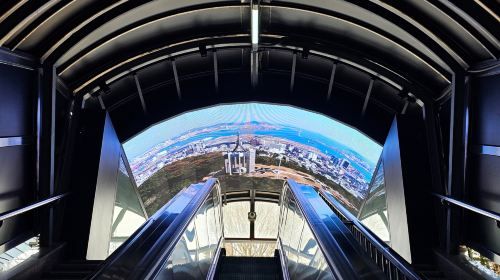
For scenic coastal routes, the Haeundae Blueline Park offers a sky capsule and beach train experience that doubles as both transport and attraction. Several organised day tours also package the major sights efficiently, which is worth considering if your time is limited.
---
Best Neighbourhoods to Stay In
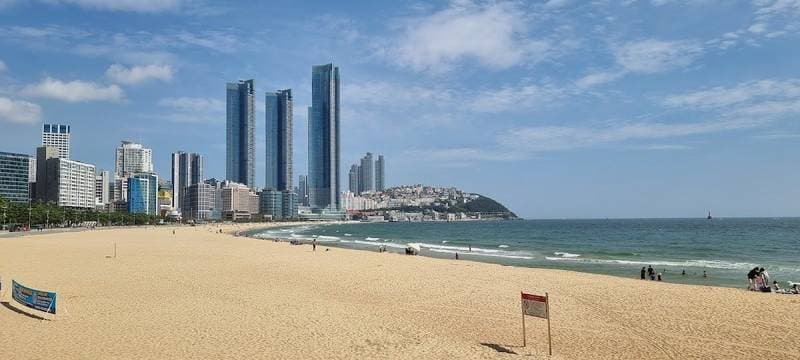
Haeundae: The most popular base for international visitors. You're close to the beach, Centum City's shopping, and the BIFF Square cinema district. Hotels here range from budget guesthouses to five-star resorts.
Seomyeon: The commercial and nightlife heart of the city. Central, well-connected by subway, and surrounded by restaurants and street food alleys. Generally more affordable than Haeundae.
Gwangalli: A slightly more relaxed alternative to Haeundae, with a long beach and direct views of the Gwangan Bridge. Popular with younger travellers and great for evening dining.
Nampo-dong: Close to Jagalchi Fish Market and the ferry terminals. A good base if you want to be near the old city, Gamcheon, and the port area.
---
When to Visit
Best months: April to June and September to November
Spring brings mild temperatures, cherry blossoms along the Nakdong River, and manageable crowds. Autumn is arguably the finest season, with cool, dry days and clear skies that make coastal walks genuinely spectacular.
Summer (July to August): Busan becomes one of Korea's most popular domestic holiday destinations. Haeundae Beach gets extremely crowded, accommodation prices spike, and the humidity is high. That said, the beach festival atmosphere is lively and the sea is warm enough to swim in properly.
Winter (December to February): Cold but manageable, rarely dropping below minus five. Crowds thin out considerably, prices drop, and the city's seafood markets feel especially atmospheric. Not a bad time to visit if you don't mind layering up.
What to avoid: The monsoon season in late June and July brings heavy rainfall. Not a dealbreaker, but worth factoring into your itinerary planning.
---
What to See and Do
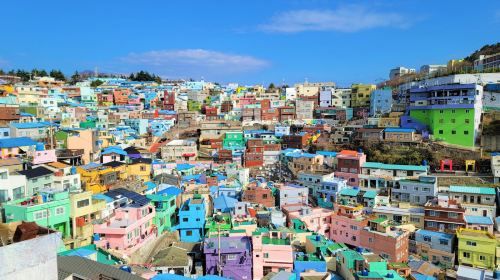
Gamcheon Culture Village is one of the city's most photographed spots, a maze of pastel-painted houses climbing a steep hillside above the port. Rent a retro outfit in Gamcheon Culture Village to make the most of the photogenic laneways and murals.
Haedong Yonggungsa Temple sits directly on the coastline north of Haeundae and is one of the few coastal Buddhist temples in Korea. Visit early in the morning to avoid the tour groups. Several day tours combine Haedong Yonggungsa with Cheongsapo Skywalk and the Blueline Park Sky Capsule, which is an efficient way to cover the eastern coastline in a single day.
Busan Tower in Yongdusan Park offers 360-degree views across the harbour and city and is particularly worth visiting at sunset or after dark when the port lights up.
Songdo Beach and Sea Cable Car: Songdo was Busan's first public beach and has been thoughtfully redeveloped. The Songdo Sea Cable Car runs over the water and offers some of the best coastal views in the city.
Taejongdae Park: A forested cliff park on the southern tip of Yeongdo Island. The views from the observatory over the Korea Strait are exceptional. Go on a clear day.
Jagalchi Fish Market: Korea's largest seafood market. You can buy fresh fish on the ground floor and have it prepared to eat upstairs. Go hungry.
For families or those looking for active entertainment, the Skyline Luge at Osiria combines go-kart-style tracks with coastal scenery near Gijang and is genuinely fun for all ages.
---
Where to Eat
Busan has a distinct food culture even within Korea. Key dishes to prioritise:
Milmyeon: Cold wheat noodles in a chilled beef broth, a Busan specialty born from the Korean War era. Try it at Gaya Milmyeon near Seomyeon.
Dwaeji gukbap: Pork and rice soup, eaten for breakfast by locals. Ssiat Hotteok in Nampo-dong is also worth queuing for, a sweet pancake stuffed with seeds and brown sugar.
Haeundae Market: More approachable than Jagalchi for first-timers, with stalls selling raw fish, grilled skewers, and hotteok.
Gwangalli beachfront: Lined with restaurants and cafes, ideal for an evening meal with views of the illuminated bridge.
Budget meals (gimbap, noodles, street food) run 3,000 to 8,000 KRW. A solid restaurant dinner costs 12,000 to 25,000 KRW per person. Busan is an affordable city overall, noticeably cheaper than Seoul for accommodation and food.
---
Practical Tips
Connectivity: Pick up a SIM card at the airport arrivals hall. Data-only SIMs for one to two weeks start from around 15,000 KRW. Kakao Maps works better than Google Maps for local navigation.
Cash vs card: Most restaurants and shops accept cards, but smaller street food stalls and traditional markets are cash-only. Keep some won on hand.
Language: English signage is good around tourist areas and subway stations. Outside those zones, a translation app like Papago (developed in Korea, more accurate than Google Translate for Korean) is invaluable.
---
Three Insider Tips
1. Take the 1003 bus along the coast. This bus route runs along the eastern coastline from Haeundae toward Gijang and passes through scenery that most visitors miss entirely. It costs the same as any other bus and gives you an unstructured way to discover smaller beaches and fishing villages.
2. Eat at the raw fish restaurants inside Jagalchi, not the tourist-facing ones outside. The stalls on the upper floors of the main building let you pick your fish from the tanks downstairs and eat it prepared at your table. Prices are clearly displayed and the experience is far more authentic than the restaurants positioned for foot traffic on the street.
3. Gwangalli at 10pm beats Haeundae at any hour. The bridge light show runs nightly and the beachfront bars and restaurants are significantly less crowded than Haeundae, with the same quality of food and a better atmosphere for lingering over a meal.
---
Budget Expectations
Busan sits comfortably in the affordable-to-mid-range category for most travellers. A backpacker staying in a guesthouse, eating street food and local restaurants, and using public transport can manage on 50,000 to 70,000 KRW per day (roughly 35 to 50 USD). A mid-range traveller in a decent hotel with sit-down meals and a few paid attractions should budget 150,000 to 250,000 KRW per day. Luxury options exist around Haeundae but remain less expensive than equivalent hotels in Seoul or Tokyo.
---
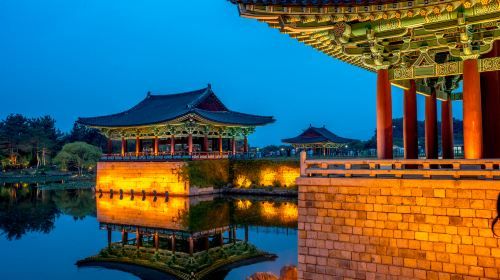
Whether you're planning a long weekend from Seoul or building a full South Korea itinerary, Busan consistently over-delivers. The combination of coastline, food culture, temples, and accessible day trips to places like Gyeongju makes it one of the most well-rounded city destinations in East Asia.


