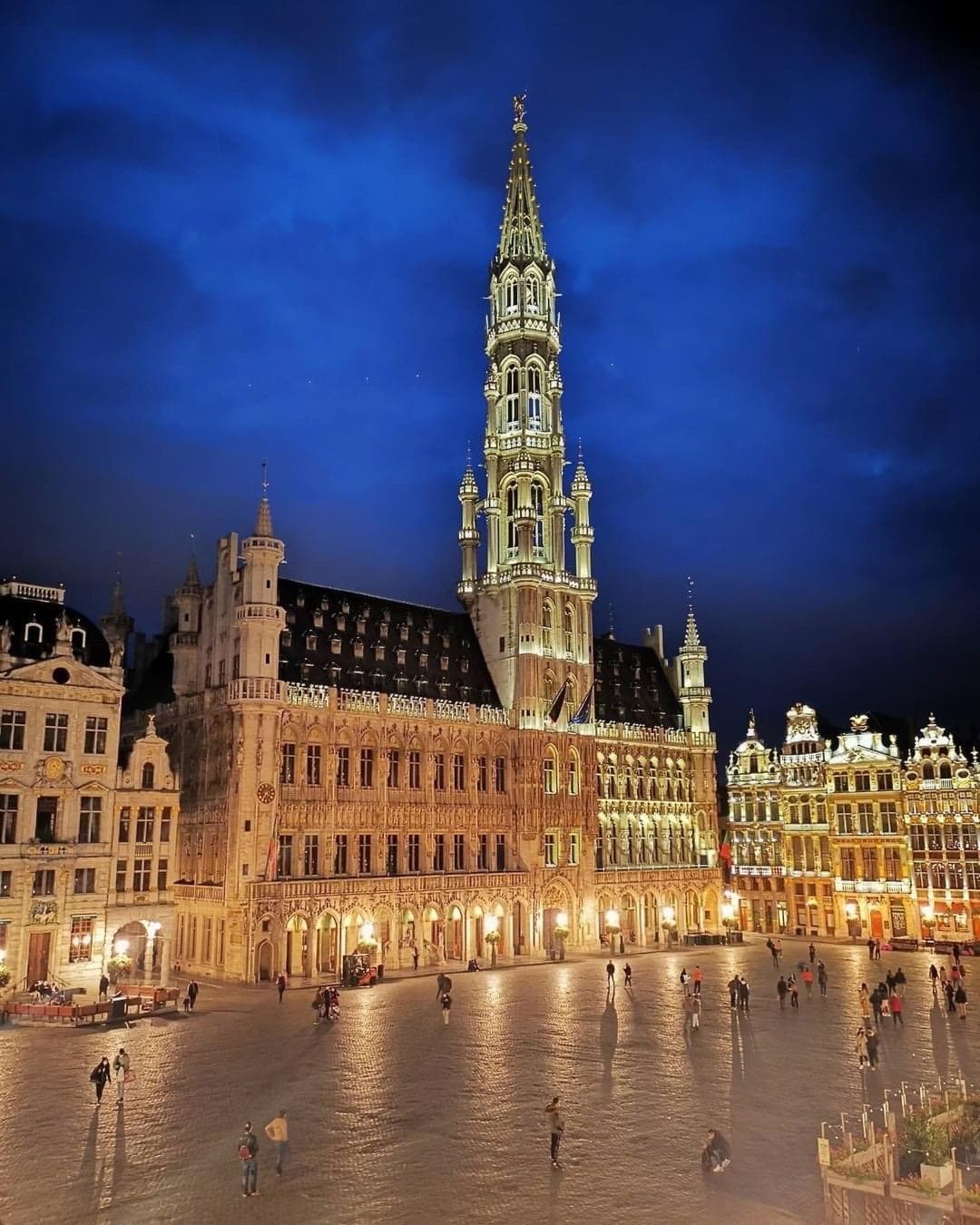
Brussels Travel Guide: Plan Your Perfect Trip
By Matt Cuckston, Founder & Travel Technology Expert at TixLayer
Brussels sits at the centre of Europe in more ways than one. It is the de facto capital of the European Union, a city where French and Dutch cultures overlap, and a place where world-class chocolate shops stand next to centuries-old guild houses. If you are searching for things to do in Brussels, you will quickly discover that the city rewards curious travellers who look beyond the obvious. This guide covers everything you need to plan a confident, well-organised trip.
---
Getting to Brussels
Brussels is exceptionally well connected. Brussels Airport (BRU) in Zaventem is the main international hub, with direct flights from most major European cities and long-haul connections via airlines like Brussels Airlines, Ryanair, and Lufthansa. A dedicated train line, the Airport Express, runs directly to Brussels-Central, Brussels-Midi, and Brussels-Nord stations in around 20 minutes. Tickets cost roughly €12 one way.
Brussels-Midi (Gare du Midi) is the city's main rail hub and one of the busiest train stations in Europe. Eurostar trains arrive here from London St Pancras in under two hours. Thalys and TGV services connect to Paris in 1h22, Amsterdam in under two hours, and Cologne in under two hours. If you are travelling within Europe, the train is often faster door-to-door than flying once you factor in airport time.
Budget travellers can also reach Brussels by Flixbus from cities across France, the Netherlands, and Germany, often for under €15.
---
Getting Around the City
Brussels is a walkable city in its core neighbourhoods, but the metro, tram, and bus network (operated by STIB/MIVB) covers the wider city well. A single ticket costs €2.10 if purchased in advance via the STIB app or at kiosks, and €3 if bought on board. Day passes are available for €8.00 and are worth it if you plan to move around a lot.
Taxis are available but expensive. Uber operates in the city and is generally more affordable. Cycling infrastructure has improved significantly in recent years, and Villo! is the city's bike-share scheme with docking stations across central Brussels.
One practical note: Brussels is built on a hill. The Upper Town around the Royal Palace and the Sablon area involves a steep climb from the Lower Town. Comfortable shoes are essential.
---
Best Neighbourhoods to Stay In
Ixelles is the most popular area for first-time visitors who want a mix of good restaurants, independent shops, and easy metro access. It has a lively café culture and is home to the Flagey cultural centre.
Saint-Gilles offers slightly lower accommodation prices and a more local feel, with art nouveau architecture around every corner and a strong restaurant scene along the Chaussée de Waterloo.
Schaerbeek and Etterbeek are quieter residential neighbourhoods that suit longer stays or travellers on a tighter budget.
The city centre (around Grand Place and the Ilôt Sacré) is convenient for sightseeing but can feel touristy, and accommodation prices reflect the location.
---
When to Visit Brussels
April to June is the ideal window. Temperatures are mild (14 to 20°C), the city is green, and major events like the Brussels Jazz Weekend and the Iris Festival take place in spring. This is also when the famous Keukenhof tulip fields in the Netherlands are in bloom, making it a great time to book a shared tour of Delft and the Keukenhof Estate from Brussels as a day trip.
September and October offer pleasant weather with fewer crowds than summer and some excellent food and beer festivals.
July and August are the warmest months but also the busiest. Some smaller restaurants and shops close for part of August as locals head on holiday.
December brings impressive Christmas markets around Grand Place and the Marché de Noël, but hotel prices spike and the city gets crowded on weekends.
Avoid booking around major EU summits if you can. The area around the European Quarter becomes congested, and accommodation prices jump sharply.
---
What to See and Do
Grand Place is the obvious starting point. The gilded guild houses surrounding the central square are genuinely spectacular, particularly in the evening when the buildings are lit up. The Manneken Pis statue is nearby and worth a quick visit, though it is smaller than most people expect.
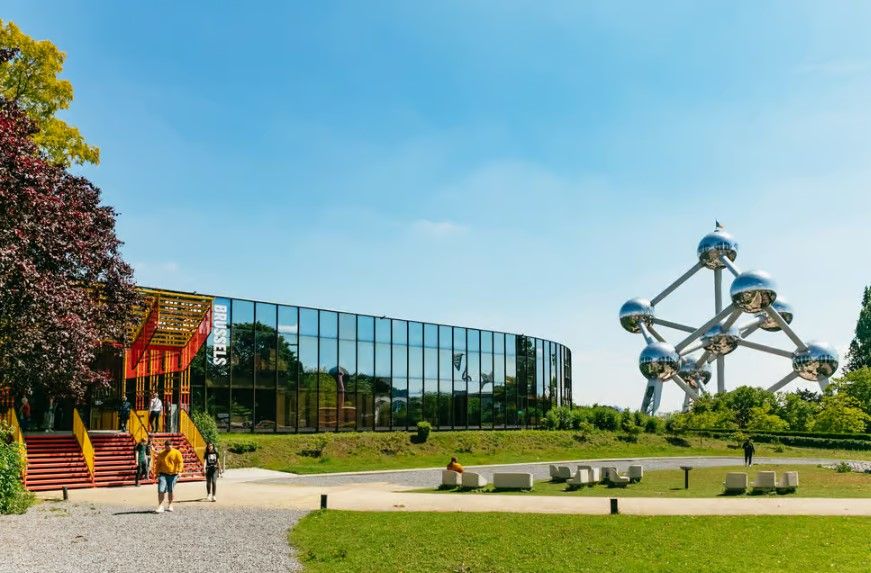
The Atomium is one of the city's most distinctive landmarks, a structure built for the 1958 World's Fair that now offers panoramic views across the city. You can book a Brussels Atomium entry ticket with Design Museum access to combine both attractions in one visit. The adjacent Mini-Europe is worth adding if you are travelling with children.
For those who want an overview of the city before diving deeper, a Brussels sightseeing tour with a stop at the Atomium is a solid way to orient yourself on day one.
The Royal Museums of Fine Arts hold an impressive collection spanning Flemish Primitives to Magritte's surrealist works. The Magritte Museum is housed separately and is one of the best single-artist museums in Europe.
Beer lovers should not miss the Brussels Beer City Exploration Game and Tour, a self-guided experience that takes you through the city's brewing history and into some of its most characterful bars.
---
Day Trips from Brussels
Brussels is one of the best-located cities in Europe for day trips. Bruges is the most popular option, and for good reason. Its medieval canal network and preserved architecture are unlike anywhere else in Belgium. You can reach it by direct train in under an hour, or book a Bruges day trip from Brussels or a Bruges bus tour from Brussels if you prefer a guided experience.
For a more ambitious day, the Antwerp and Ghent day trip with transport from Brussels covers two of Belgium's most interesting cities in a single outing. Antwerp is a design and fashion capital with a world-class port history, while Ghent has a slightly grittier, more student-led energy that many travellers prefer to Bruges.
---
Where to Eat
Brussels takes food seriously. Moules-frites (mussels and fries) is the dish most associated with the city, and the Chez Léon chain on Rue des Bouchers has been serving it since 1893. For a more local experience, head to Ixelles or Saint-Gilles where neighbourhood bistros offer seasonal Belgian cooking at reasonable prices.
The Marché du Midi on Sunday mornings is one of the largest outdoor markets in Belgium and a great place to eat cheaply and well. Pick up olives, fresh bread, and charcuterie for a fraction of restaurant prices.
For waffles, skip the tourist stands near Grand Place and look for a traditional Liège waffle from a bakery. The Liège style (dense, caramelised, eaten plain) is far superior to the Brussels style (lighter, rectangular, loaded with toppings) for most people's tastes.
Chocolate is everywhere. Pierre Marcolini, Neuhaus, and Wittamer are among the best chocolatiers in the city. Expect to pay €30 to €50 for a quality box of pralines.
---
Budget Expectations
Brussels sits in the middle of the European price range. It is more expensive than Lisbon or Warsaw but cheaper than Paris or Amsterdam. A mid-range hotel in a good neighbourhood will cost €100 to €160 per night. A sit-down lunch at a local restaurant runs €15 to €25 per person. Museum entry fees are generally €10 to €15.
Budget travellers can manage on €80 to €100 per day by using public transport, eating at markets, and visiting free attractions like the Royal Park and the Cinquantenaire Park. Comfortable mid-range travel typically costs €150 to €200 per day including accommodation.
---
Insider Tips
The Comics Art Museum is better than it sounds. Belgium is the birthplace of Tintin and the Smurfs, and the Centre Belge de la Bande Dessinée is housed in a stunning Victor Horta art nouveau building. Even travellers with no interest in comics often find it one of the most architecturally impressive buildings in the city.
Buy a 10-trip STIB card instead of daily passes if you are staying for more than two days. It works out cheaper, loads onto a card you can tap at the gate, and saves the hassle of buying tickets each time.
The Sablon neighbourhood on Saturday morning is one of the best antique markets in northern Europe. The stalls set up around Place du Grand Sablon from around 9am and sell everything from vintage maps to Belgian silver. The surrounding streets also have some of the city's finest chocolate shops and patisseries, making it an ideal way to spend a morning.
---
Final Thoughts
Brussels rewards travellers who take their time. The city has a slightly low-key reputation compared to Paris or Amsterdam, but that works in your favour. Queues are shorter, locals are easy to talk to, and the food and beer culture is genuinely world-class. Whether you are spending a long weekend or using it as a base for exploring Belgium and beyond, Brussels offers more than most visitors expect.