Belfast Travel Guide: Plan Your Perfect Trip
By Matt Cuckston, Founder & Travel Technology Expert at TixLayer
Belfast has undergone one of the most remarkable transformations of any European city over the past three decades. Once defined almost entirely by its troubled political past, it has emerged as a confident, culturally rich destination with a strong culinary scene, world-class attractions, and a warmth from locals that is genuinely hard to match. If you're researching things to do in Belfast, you've landed in the right place. This guide covers everything from transport and neighbourhoods to seasonal advice and honest budget expectations.
---
Getting There
Belfast is served by two airports. George Best Belfast City Airport sits just minutes from the city centre and handles routes from across the UK and some European destinations. Belfast International Airport, roughly 30 kilometres northwest of the city, handles more routes including transatlantic connections and budget carriers like easyJet and Ryanair.
From Dublin, the bus is your best friend. Translink and Aircoach both run frequent services between Dublin city centre and Belfast, with journey times of around two hours and fares often under £15 each way. The Enterprise train service between Dublin Connolly and Belfast Lanyon Place is a comfortable and scenic option, taking about two hours and fifteen minutes.
Ferry travellers can arrive via Stena Line or P&O Ferries from Liverpool or Cairnryan in Scotland, docking at Belfast Port. If you're arriving by cruise ship, a Giant's Causeway and Titanic Experience Tour from Belfast Port is one of the smartest ways to make the most of a single day in port.
---
Getting Around

The city centre is compact and very walkable. Most major attractions, restaurants, and neighbourhoods are within a 30-minute walk of each other. Metro buses run frequently and cover most areas you'll want to reach, with flat fares and a contactless payment system.
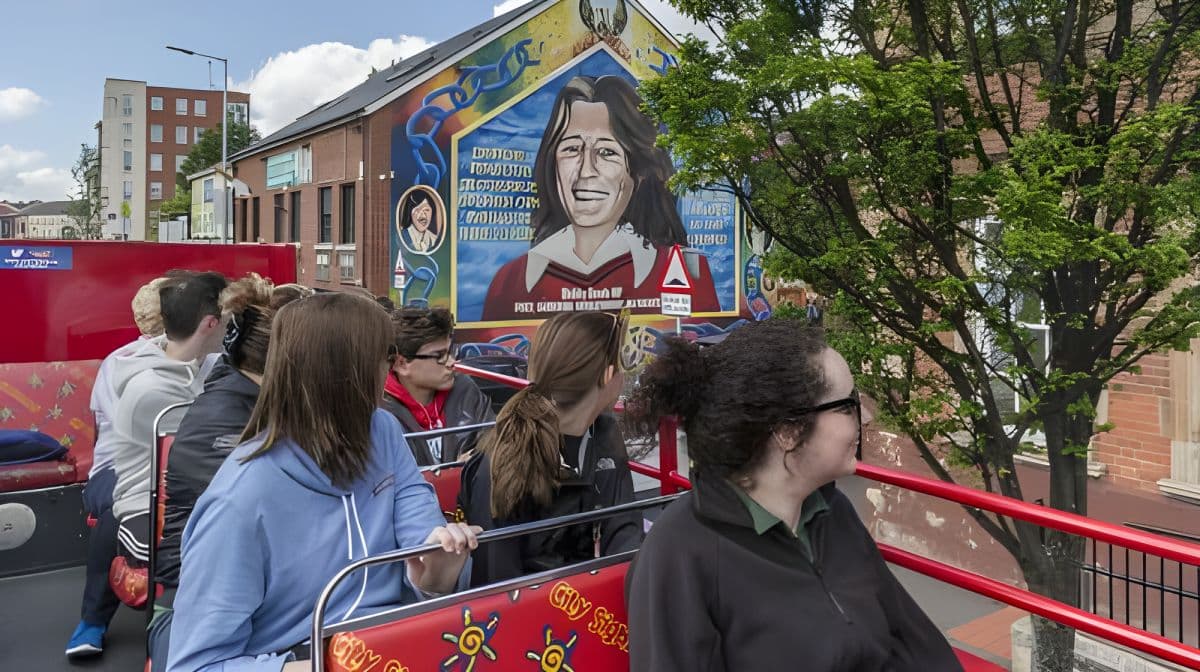
For a flexible introduction to the city, a Belfast hop-on hop-off open-top double-decker sightseeing bus tour is a practical way to get your bearings on day one without committing to a fixed itinerary. Taxis are reasonably priced by UK standards, and ride-hailing apps like Uber operate in the city.
If you plan to explore beyond the city, renting a car opens up the Causeway Coast, the Glens of Antrim, and the Mourne Mountains at your own pace. Driving in Northern Ireland is straightforward, and roads outside the city are generally quiet.
---
Best Neighbourhoods to Stay In

City Centre and Cathedral Quarter suit first-time visitors who want to be close to everything. The Cathedral Quarter in particular has the highest concentration of independent bars, live music venues, and restaurants.
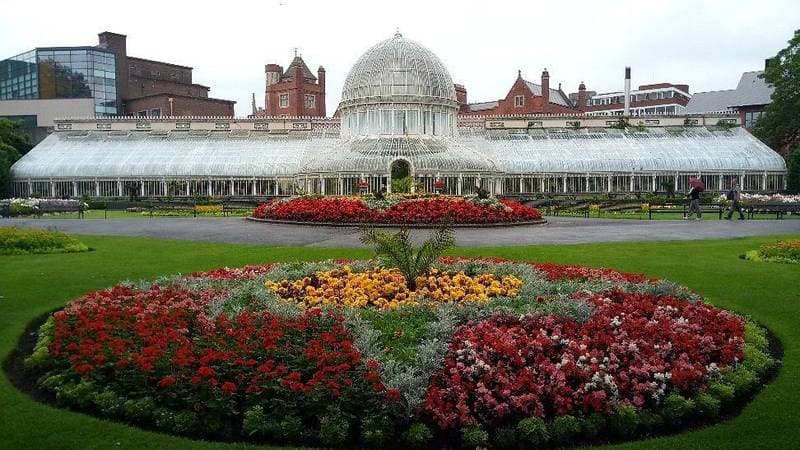
Queen's Quarter surrounds Queen's University and has a more relaxed, residential feel. It's close to the Botanic Gardens and the Ulster Museum, and accommodation here tends to be slightly cheaper than the city centre.
The Titanic Quarter is worth considering if your trip revolves around the waterfront. It's quieter at night but well-connected to the centre and makes for an atmospheric base.
South Belfast along the Lisburn Road has some of the city's best independent coffee shops, boutiques, and neighbourhood restaurants, and is popular with longer-stay visitors.
---
When to Visit
The honest answer is that Belfast's weather is unpredictable year-round, so packing layers is non-negotiable regardless of when you go.
May and June are widely considered the best months to visit. Days are long, temperatures are mild (typically 14 to 18 degrees Celsius), and the city's events calendar picks up considerably. The Belfast International Arts Festival runs in autumn, making October another strong choice for culture-focused travellers.
July brings the Twelfth of July parades, which are significant cultural events tied to Northern Ireland's Unionist tradition. The city can feel divided during this period, and some businesses close. It's worth researching before you book if this coincides with your trip.
January and February are the quietest months, with shorter days and a higher chance of rain. However, accommodation prices drop noticeably, and the city's indoor attractions are far less crowded.
Avoid booking without accommodation well in advance during major events like the Belfast Marathon in May or large-scale concerts at SSE Arena.
---
What to See and Do

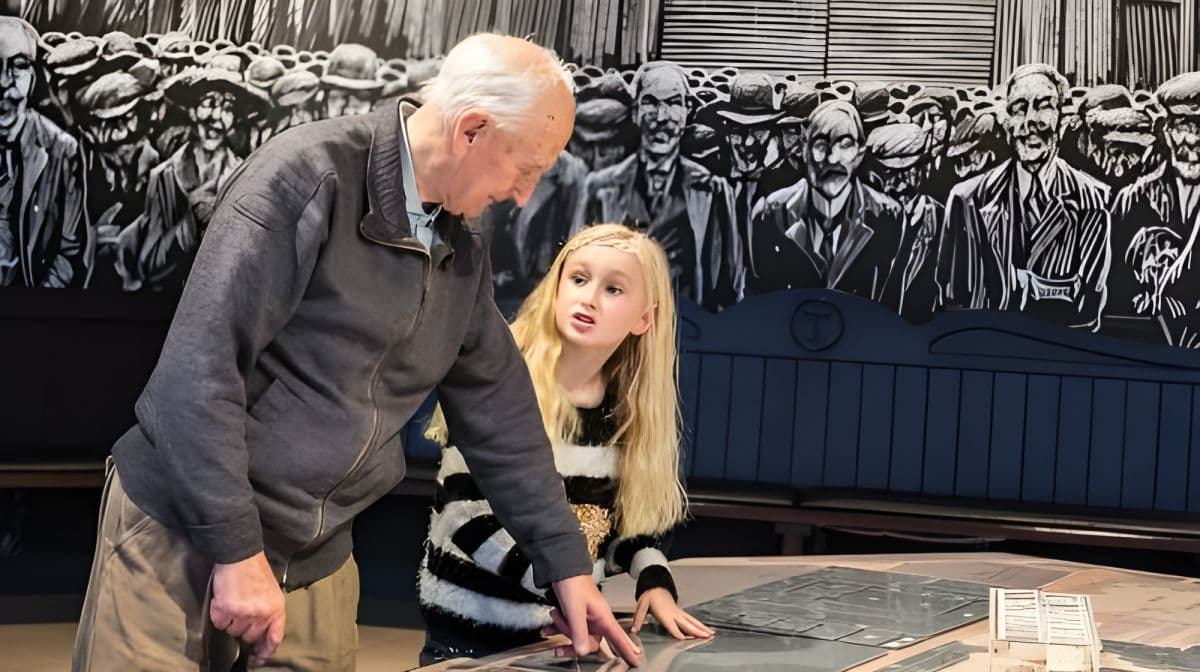
The Titanic Quarter is the obvious starting point. The Titanic Belfast Entry Ticket gives you access to one of Europe's most impressive museum experiences, covering the design, construction, and sinking of the RMS Titanic across nine immersive galleries. Allow at least three hours.
For a grounded introduction to the city's political murals, peace walls, and neighbourhood history, a Best of Belfast walking tour with a local guide offers context that no guidebook can fully replicate. Local guides bring a personal perspective to the Falls Road and Shankill Road areas that is both informative and nuanced.
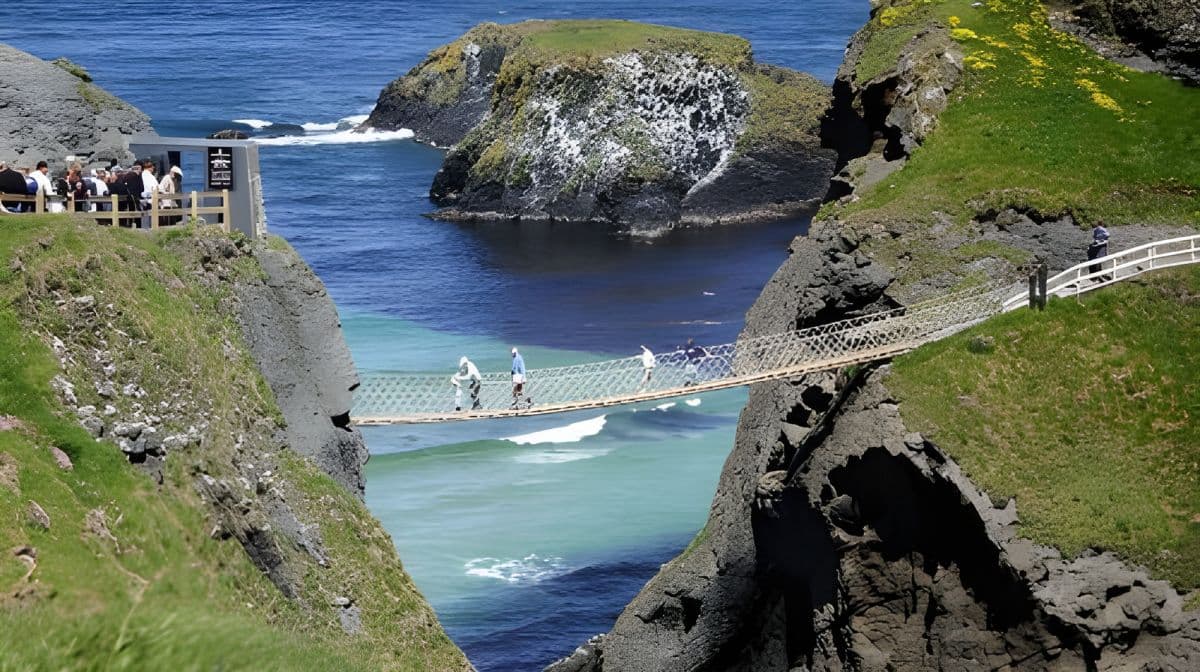
Beyond the city itself, the Causeway Coast is one of the most spectacular stretches of coastline in Europe. The Game of Thrones Tour with Giant's Causeway from Belfast combines the UNESCO-listed basalt columns with filming locations from the series, covering the Dark Hedges, Ballintoy Harbour, and Dunluce Castle in a single day.
Whiskey enthusiasts should consider the Giants Causeway and Bushmills Distillery Whiskey Tasting from Belfast, which pairs the natural wonder with a tour and tasting at the world's oldest licensed whiskey distillery.
Other highlights include the Ulster Museum (free entry), the Botanic Gardens, St George's Market on a Saturday morning, and the Crown Liquor Saloon, a Victorian gin palace that remains one of the most ornate pub interiors in the British Isles.
---
Where to Eat and Drink

Belfast's food scene has improved dramatically and now includes several Michelin-recognised restaurants. Ox on Oxford Street is one of the city's most celebrated fine dining options. The Muddlers Club in the Cathedral Quarter offers a more relaxed but equally accomplished tasting menu experience.
For something more casual, St George's Market on a Friday or Saturday is the best single stop for local food. Expect fresh seafood, artisan breads, and Northern Irish produce at reasonable prices.
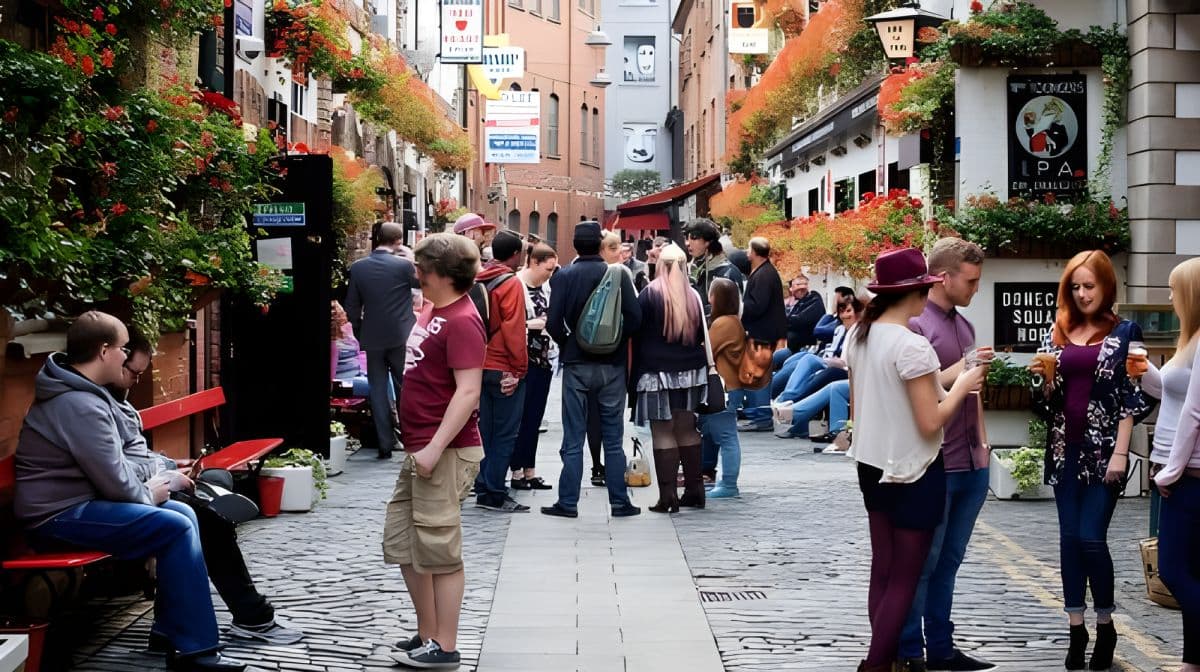
The Cathedral Quarter is your best bet for pub culture. The Duke of York, Kelly's Cellars, and the John Hewitt are all worth a visit. Craft beer fans should look for pubs stocking Boundary Brewing, one of Belfast's most respected independent breweries.
---
Budget Expectations
Belfast is noticeably more affordable than London, Edinburgh, or Dublin. A pint of beer typically costs between £4 and £5.50. A sit-down lunch at a mid-range restaurant runs £12 to £18 per person. Budget accommodation starts around £50 per night for a decent hostel private room or a basic hotel, while mid-range hotels average £90 to £140 per night.
Major attractions like Titanic Belfast carry entry fees (around £20 per adult), but many of the city's best experiences, including the Ulster Museum, the Botanic Gardens, and the political murals, are free.
Overall, a comfortable trip with a mix of paid attractions, guided tours, and decent meals can be done for around £80 to £120 per person per day.
---
Insider Tips

Visit the Crown Bar at opening time. The Crown Liquor Saloon on Great Victoria Street is one of the most photographed interiors in Ireland, but it fills up quickly. Arriving when it opens at 11:30am gives you the rare chance to appreciate the tiled floors, carved snugs, and gas lighting without the crowds.
Take the Glider to East Belfast. The G1 Glider rapid transit route runs from the city centre through East Belfast and offers an underrated way to see a part of the city that most visitors skip entirely. The Holywood Arches area and Connswater have a strong local character and some excellent independent cafes.
Book Causeway Coast tours midweek. Giant's Causeway is one of the most visited natural sites in Ireland, and weekend crowds can significantly affect the experience. Midweek tours tend to be smaller groups, parking is less chaotic, and the site itself feels considerably more peaceful.
---
Final Thoughts
Belfast rewards visitors who go in with curiosity rather than assumptions. Its history is complex, its landscapes are extraordinary, and its people are among the most straightforwardly welcoming you'll encounter anywhere in the British Isles. Whether you're spending two days or two weeks, the city and its surrounding coastline offer far more than most first-time visitors expect.