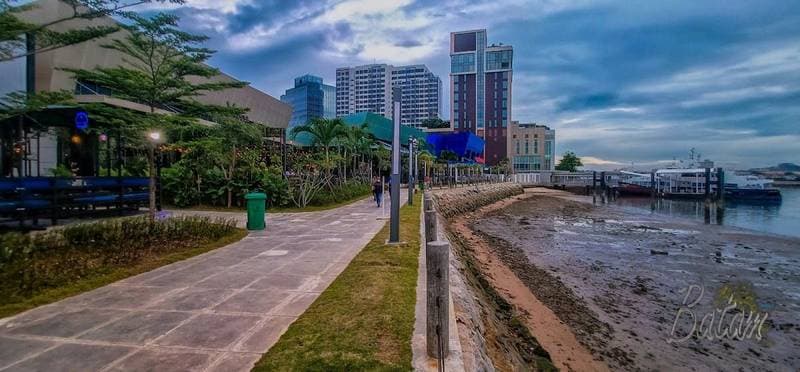
Batam Travel Guide: Plan Your Perfect Trip
By Matt Cuckston, Founder & Travel Technology Expert at TixLayer
Just 45 minutes by ferry from Singapore, Batam is one of Southeast Asia's most underrated short-break destinations. Whether you're looking for a relaxing spa weekend, a round of golf with ocean views, or a seafood feast at a fraction of Singapore prices, this Batam travel guide walks you through everything you need to plan a smooth and rewarding trip. From the best time to visit to where to eat and what to do, consider this your one-stop planning resource.
---
Getting There

The vast majority of visitors arrive by ferry from Singapore, and it's a genuinely easy journey. Two main terminals operate the Singapore-Batam route:
From HarbourFront Terminal (VivoCity): This is the most popular departure point for tourists. Ferries run frequently throughout the day and connect to Batam Centre Ferry Terminal, the island's main international arrival point.
From Tanah Merah Ferry Terminal: This route connects to Nongsapura Ferry Terminal in Batam, which is closer to the western part of the island. It's a good option if you're heading straight to resort areas.
If you hold an Indonesian passport, you can book your Batam Fast Ferry Tickets from HarbourFront Terminal or Batam Fast Ferry Tickets from Tanah Merah Terminal directly through TixLayer for a hassle-free experience.
Ferry tickets typically cost between SGD 35 and SGD 55 return depending on the operator and time of day. Book in advance during public holidays and long weekends, as ferries fill up quickly.
Batam also has its own international airport, Hang Nadim Airport, with direct flights from Kuala Lumpur, Jakarta, and several other Indonesian cities. If you're coming from within Indonesia, flying in is often the most practical option.
---
Getting Around Batam

Batam is a large island and public transport is limited, so having a plan for getting around matters.
Taxis and Ride-Hailing: Grab operates in Batam and is your most convenient option for point-to-point travel. Fares are affordable by Singapore standards.
Private Car Charter: For a full day of sightseeing, a Batam Full Day Private Car Charter gives you the flexibility to set your own pace, visit multiple areas, and avoid the hassle of negotiating fares for each trip. This is especially worthwhile if you're travelling with family or a small group.
Motorbike Taxis (Ojek): Available near ferry terminals and markets. Affordable for solo travellers making short hops, though not always the most comfortable option with luggage.
---
Best Neighbourhoods to Know

Nagoya: The commercial heart of the island. This is where you'll find shopping malls, restaurants, spas, and most of the nightlife. Nagoya Hill Mall is the main retail anchor and a good landmark to orient yourself around.
Batam Centre: The area around the main ferry terminal. Practical for arrivals and departures, with hotels and restaurants within easy reach.
Nongsa: The resort district on the northeastern tip of the island, facing Singapore. This is where you'll find upscale resorts, golf courses, and beach clubs. It's quieter and more spread out than Nagoya.
Sekupang and Batu Aji: More residential areas that see fewer tourists, but worth knowing if you're exploring beyond the main tourist trail.
---
When to Visit
Batam sits just north of the equator, so the climate is warm and humid year-round, with temperatures hovering between 24°C and 33°C.
Best months: June to September is generally the drier stretch, with lower rainfall and better conditions for beach activities and outdoor exploration. February to April also tends to be relatively dry.
What to avoid: November through January brings the northeast monsoon, which can mean heavy afternoon downpours and rougher sea conditions. Ferry crossings can occasionally be disrupted during storms, though this is uncommon. If you're visiting during this period, build some flexibility into your schedule.
Public holidays: Batam gets very busy during Singapore public holidays and Indonesian national holidays. Prices for ferries and hotels spike, and popular restaurants fill up fast. If you want a quieter experience, avoid these peak windows or book everything well in advance.
---
Things to Do in Batam

The island's appeal is broad, but a few categories stand out.
Golf: Batam has earned a strong reputation as a golf destination, with well-maintained courses at competitive prices. The Batam Island Country Club (BICC) Golf offers a full golfing experience set against lush tropical surroundings, and it's a popular choice for Singaporean golfers making the short crossing for a round.
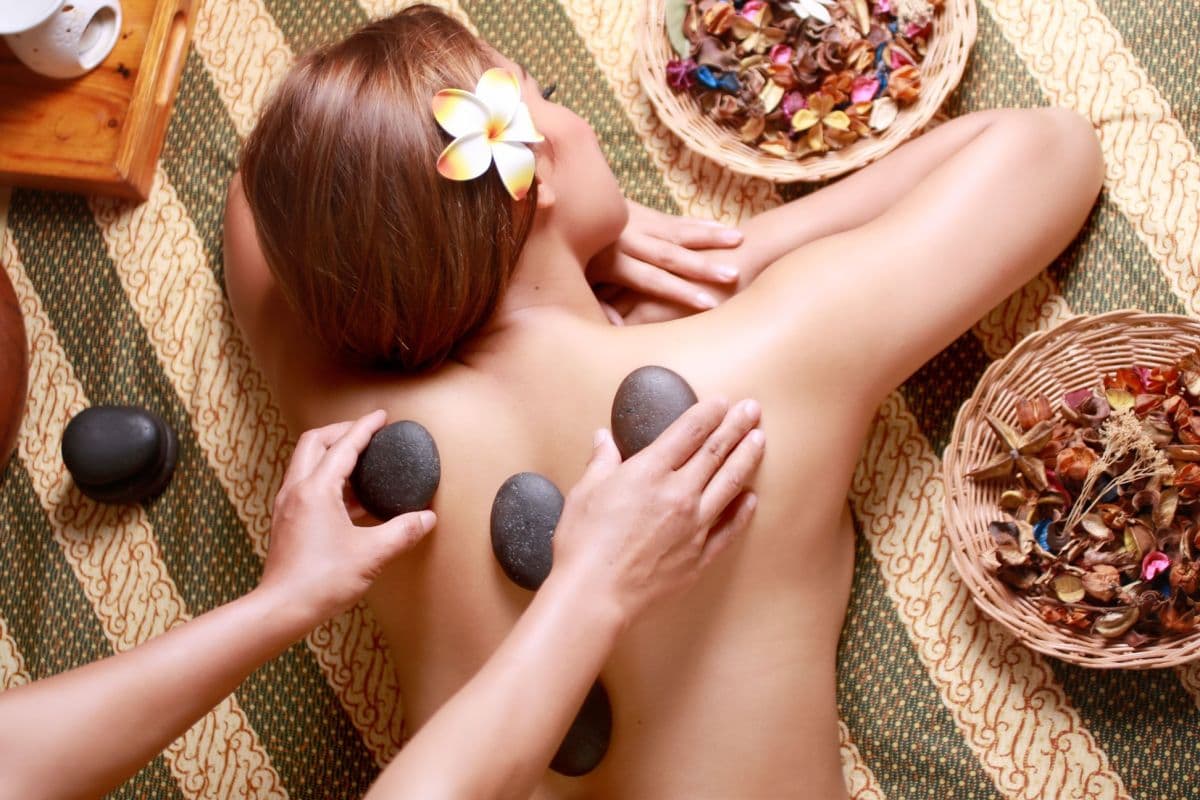
Spa and Wellness: This is arguably what Batam does best for budget-conscious visitors. Spa Treatments here cost a fraction of what you'd pay in Singapore, and quality is consistently high. Options range from traditional massage and Reflexology to full wellness packages. TixLayer has a solid selection including Treatment & Spa Package by Grand Majesty Spa Batam, Spa Treatments, and Reflexology sessions. For new and expectant mothers, there are also specialist options like Mom to Be Massage and After Birth Massage.
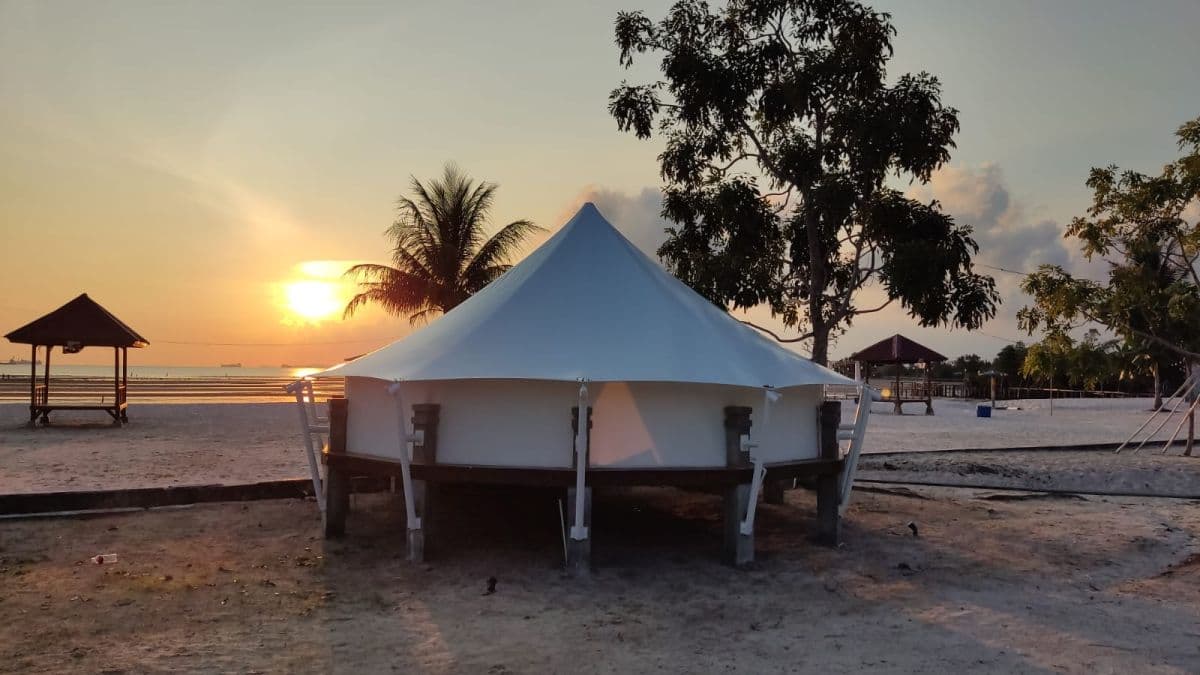
Beach and Nature: Viovio Beach on the southern coast is one of the more scenic spots on the island. You can stay overnight in a Luxury Glamping setup with sea views, or opt for a more basic Camping Tent and Gazebo experience if you want something closer to nature without sacrificing comfort entirely.
Family Activities: If you're travelling with kids, Funworld Nagoya Hill Mall Batam is a reliable rainy-day option with arcade games and rides suitable for younger children.
Water Villas: For a splurge that still feels affordable compared to the Maldives, the Morelo Water Villa offers overwater accommodation with open sea views.
---
Where to Eat

Seafood is the main event in Batam. The island's proximity to the sea means fresh fish, prawns, crab, and squid are on almost every menu, and prices are dramatically lower than in Singapore.
Harbour Bay Seafood Area: A cluster of open-air seafood restaurants near the waterfront. Go for steamed fish, black pepper crab, and butter prawns. Arrive early for dinner as tables fill quickly on weekends.
Nagoya Food Courts: The food courts inside and around Nagoya Hill Mall offer a wide range of Indonesian staples at very low prices. Nasi padang, mie goreng, and soto ayam are all worth trying.
Local Warungs: Small family-run eateries scattered across residential areas serve some of the most authentic food on the island. Look for places with handwritten menus and plastic chairs. A full meal with a drink rarely costs more than IDR 30,000 to 50,000 (roughly SGD 2 to 4).
---
Budget Expectations
Batam is an affordable destination by almost any measure, especially for visitors coming from Singapore. A comfortable mid-range hotel costs between SGD 40 and SGD 80 per night. Meals at local restaurants run SGD 3 to 10 per person. Spa treatments that would cost SGD 80 to 120 in Singapore can often be found here for SGD 20 to 40.
If you want to push into the luxury end, resorts in Nongsa and overwater villa experiences will cost more, but even these tend to offer strong value compared to equivalent options in the region.
---
Insider Tips
Book ferry tickets mid-week if possible. Weekend ferries, especially Friday evenings and Sunday afternoons, are heavily used by Singapore residents making short trips. Mid-week crossings are quieter, cheaper, and less stressful.
The spa quality varies more than the prices suggest. Not every cheap spa delivers a good experience. Stick to establishments with proper facilities and verified reviews, or book through a platform like TixLayer where treatments are vetted. The difference between a great massage and a mediocre one in Batam often comes down to the specific therapist, so don't be afraid to ask for recommendations at your hotel.
Carry Indonesian rupiah in cash. While larger hotels and malls accept cards, many local restaurants, warungs, and smaller shops operate on a cash-only basis. ATMs are available at the ferry terminals and in Nagoya, but exchange rates at the terminal are rarely the best. Consider exchanging currency before you arrive or at a money changer in Nagoya rather than at the port.
---
Practical Tips
- Visas: Most nationalities can enter Indonesia visa-free for stays up to 30 days. Check the latest requirements before you travel.
- Currency: Indonesian Rupiah (IDR). SGD 1 is roughly IDR 11,000 to 12,000 at the time of writing.
- Language: Bahasa Indonesia is the official language. English is spoken in tourist areas and hotels but less so in local neighbourhoods.
- SIM Cards: Buy a local SIM at the ferry terminal on arrival for affordable data. Telkomsel and XL Axiata both have good coverage across the island.
- Safety: Batam is generally safe for tourists. Take standard precautions with your belongings in crowded areas like markets and ferry terminals.
With its easy access from Singapore and a wide range of experiences across every budget, Batam rewards travellers who take the time to explore beyond the shopping malls. Whether you're after a relaxing spa day, a round of golf, or simply great seafood by the water, the island delivers consistently and without the price tag of its neighbours.