Bandung Travel Guide: Plan Your Perfect Trip
By Matt Cuckston, Founder & Travel Technology Expert at TixLayer
Sitting roughly 768 metres above sea level in the Parahyangan Highlands, Bandung is one of Indonesia's most popular weekend destinations and a city that consistently rewards travellers who take the time to explore it properly. With a cooler climate than Jakarta, a strong food culture, colonial architecture, volcanic landscapes, and a growing list of family attractions, there's no shortage of things to do in Bandung regardless of your travel style or budget. This guide is designed to give you everything you need to plan a trip that actually works.
---
Getting to Bandung

Most visitors arrive from Jakarta, and the options are genuinely good.
By Train: The Argo Parahyangan train runs multiple times daily between Gambir Station in Jakarta and Bandung Station. The journey takes around three hours and is comfortable, affordable, and scenic. Book tickets in advance through KAI Access, especially on weekends and public holidays when trains fill up fast.
By Car or Bus: The Cipularang Toll Road connects Jakarta to Bandung in roughly two to three hours under normal conditions, but traffic on Friday evenings and Sunday afternoons can stretch that to five hours or more. If you're taking a bus, several operators run from Kampung Rambutan terminal in Jakarta.
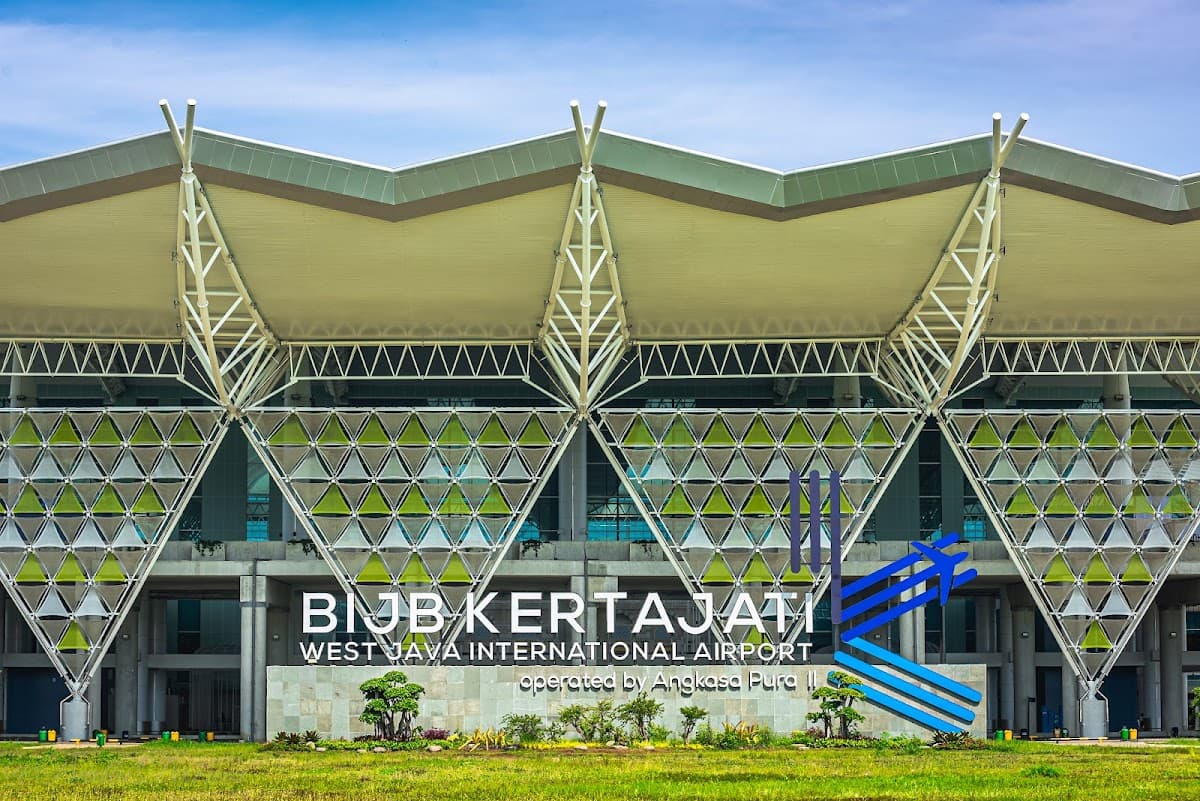
By Air: Kertajati International Airport (KJT) serves Bandung and is located about 68 kilometres from the city centre. Several domestic carriers operate routes there. Pre-booking an airport transfer is strongly recommended given the distance. You can arrange a Bandung Airport Transfer from Kertajati International Airport in advance to avoid the hassle of negotiating transport on arrival.
---
Getting Around the City
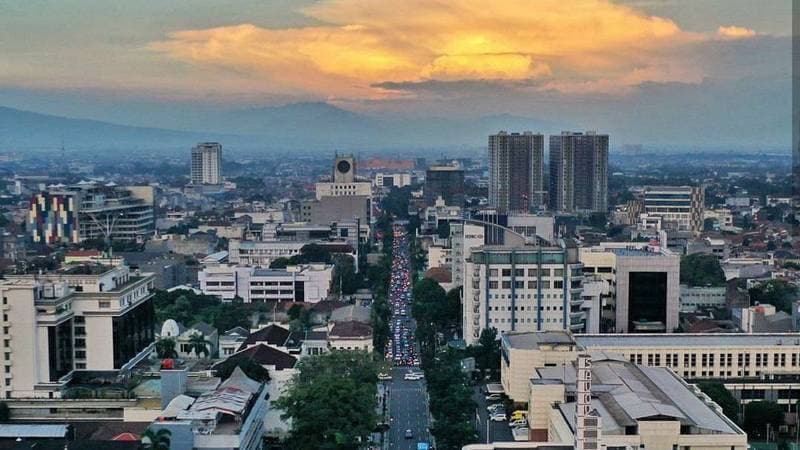
Bandung is a sprawling city and not particularly walkable between neighbourhoods. Here's how most visitors get around:
Ride-hailing apps: Gojek and Grab are the most practical options for getting around. Prices are reasonable and both apps work reliably throughout the city.
Angkot: These small shared minibuses cover most of the city and are very cheap, but routes can be confusing for first-time visitors. Good for short hops once you know the area.
Car rental with driver: For day trips to the highlands, tea plantations, or crater lakes, hiring a car with a driver for the day is affordable and stress-free. Expect to pay around IDR 350,000 to 600,000 depending on the vehicle and hours.
Avoid driving yourself if you're not familiar with Indonesian traffic conditions. Bandung's roads, particularly around Dago and the northern suburbs, can be chaotic.
---
Best Neighbourhoods to Stay In
Dago: The most popular area for tourists, with easy access to cafes, restaurants, and the northern highlands. Good mid-range and boutique hotel options.
Braga and Alun-Alun: The historic centre of the city. Braga Street is lined with Dutch colonial buildings and has a lively cafe scene. Ideal if you want walkable streets and easy access to cultural landmarks.
Buah Batu: A quieter, more residential area in the south with a growing number of good restaurants and coffee shops. Popular with longer-stay visitors.
Lembang: Technically north of the city, Lembang sits even higher in the hills and is worth considering if you want a cooler, more rural base. Better suited to those with their own transport.
---
When to Visit
Bandung has two distinct seasons: dry (April to October) and wet (November to March).
Best months: May, June, July, and August offer the most reliable dry weather. Temperatures sit comfortably between 18°C and 28°C, making outdoor activities genuinely pleasant.
What to avoid: December and January bring heavy rainfall that can cause flooding and make road trips to highland attractions difficult. The city also gets extremely crowded during Indonesian school holidays in June, July, and December, as well as during Lebaran (Eid al-Fitr). Hotel prices spike and traffic becomes severe during these periods.
Shoulder season: September and October are often underrated. The rains haven't fully arrived, crowds are thinner, and prices are more reasonable.
---
What to See and Do

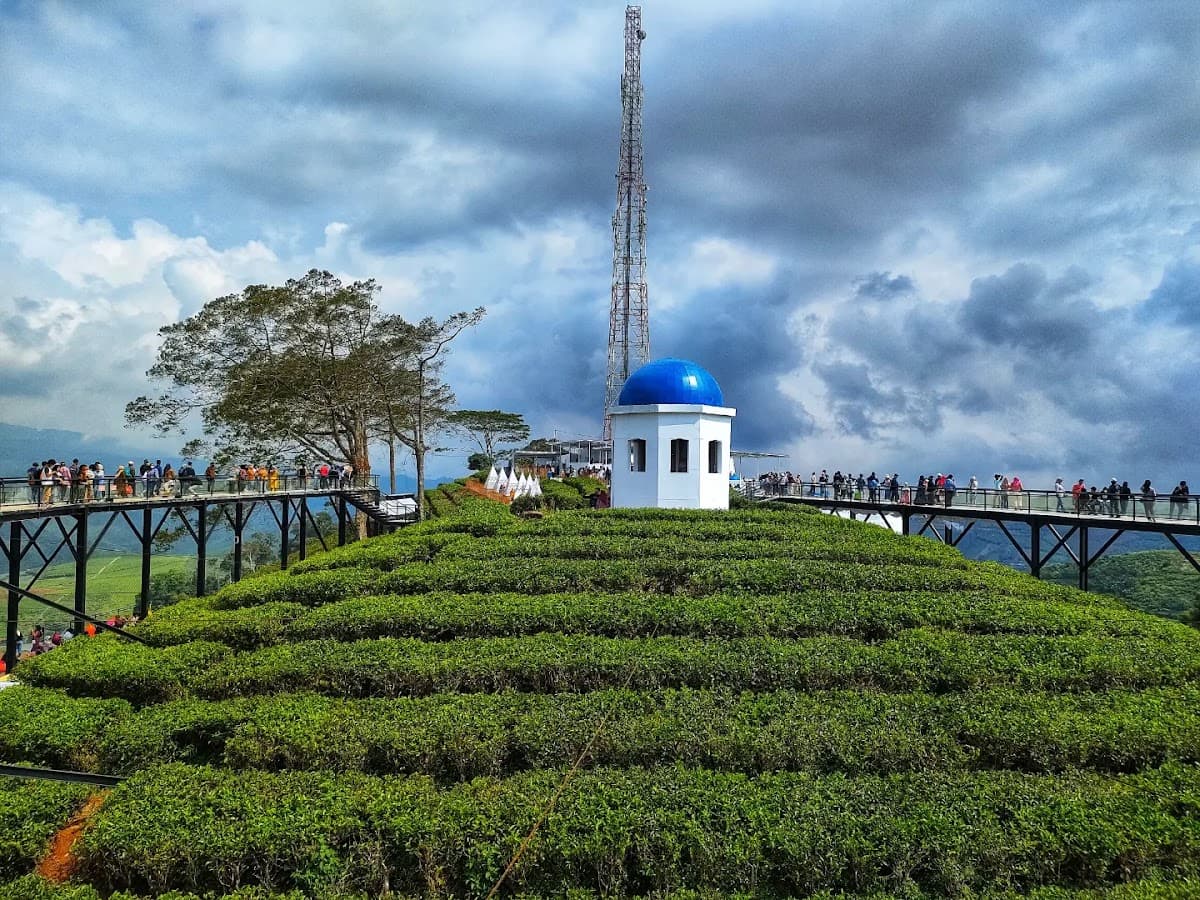
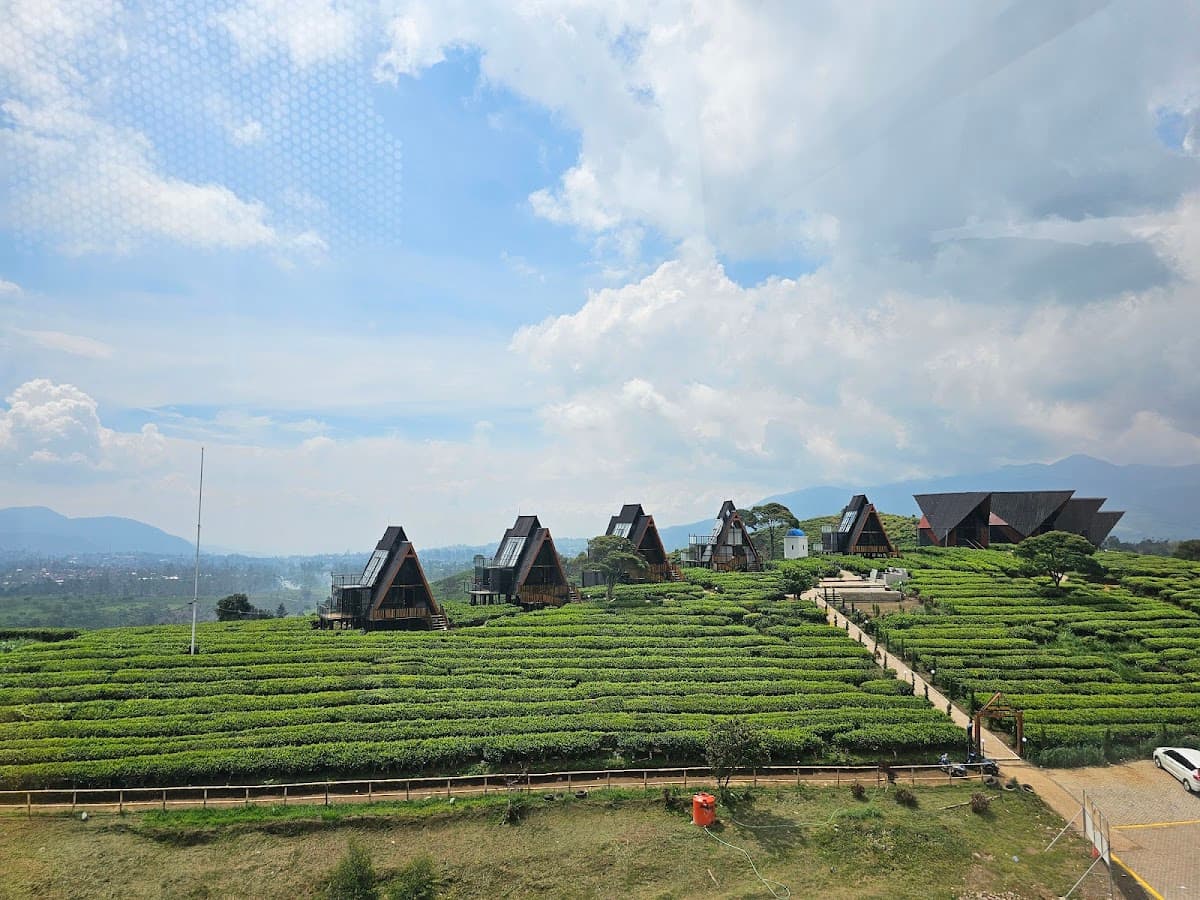
Nature and Highland Scenery: The area around Lembang and the Tangkuban Perahu volcano is the most popular day trip from the city. The active crater is accessible by road and offers a genuinely dramatic landscape. For a more scenic experience with activities built in, Nimo Highland combines panoramic views with outdoor adventure, and the Nimo Eye, Indonesia's highest Ferris wheel, gives you a sweeping perspective of the surrounding hills. The Lodge Maribaya & Fairy Garden offers a well-designed nature escape that works well for both families and couples.
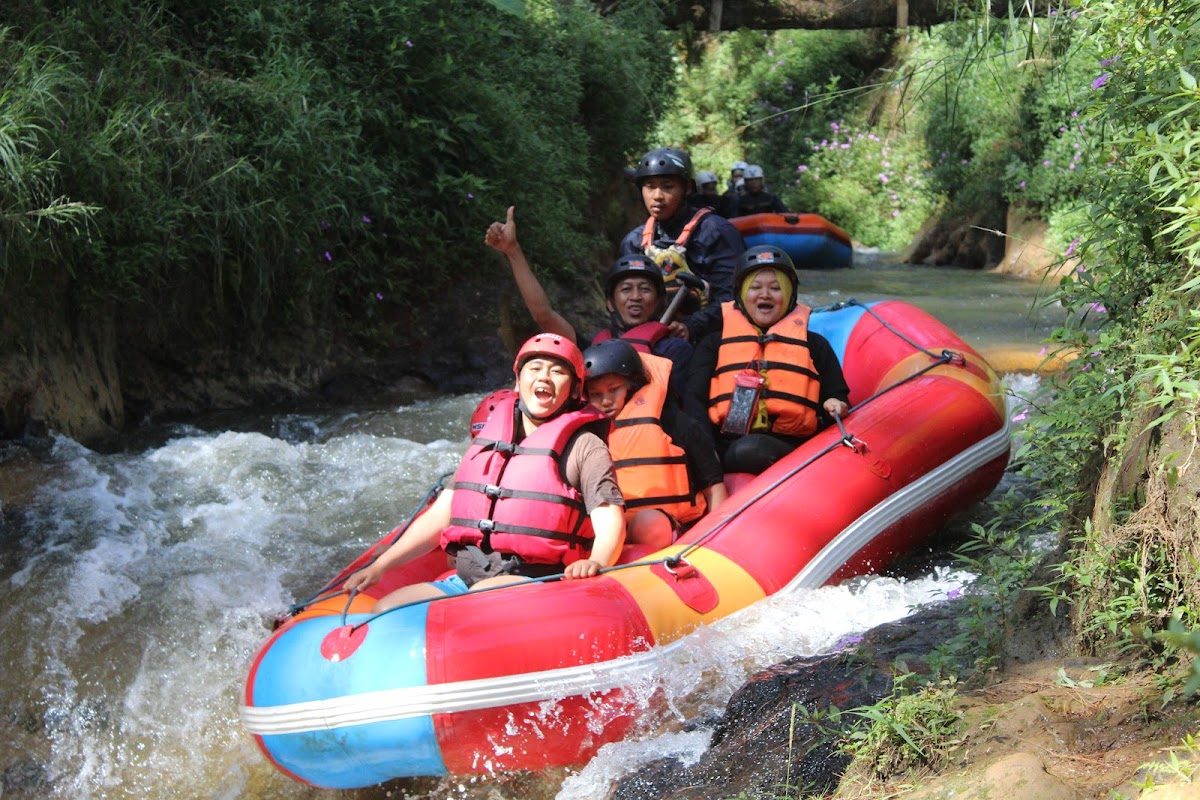
Adventure Activities: If white-water rafting is on your list, Rafting Pangalengan Bandung takes you through the scenic Pangalengan area south of the city, with river rapids suitable for beginners and intermediate paddlers.
Theme Parks and Family Attractions: Trans Studio Bandung is Indonesia's largest indoor theme park and a solid full-day option, particularly useful if the weather isn't cooperating. Wahoo Waterworld Bandung is a large outdoor water park that works well during the dry season.
Cultural and Architectural Sights: The Gedung Sate government building is one of the finest examples of Dutch colonial architecture in Java. The Braga Street area and the nearby Asia-Afrika Street are worth exploring on foot in the morning before the heat builds.
Shopping: Bandung has a well-earned reputation for factory outlets and local fashion brands. Jalan Riau (now officially Jalan L.L. RE Martadinata) is the main strip for outlet shopping, while Cihampelas Walk mall is popular for a more relaxed retail experience.
---
Where to Eat

Bandung's food scene is one of its strongest assets. The city is particularly known for its street food, Sundanese cuisine, and a coffee shop culture that has grown significantly over the past decade.
Sundanese food: Look for restaurants serving nasi timbel (rice wrapped in banana leaf), karedok (raw vegetable salad with peanut sauce), and grilled freshwater fish. Warung Nasi Ampera is a reliable local chain with multiple locations.
Street food: Jalan Cibadak and the area around Pasar Baru are good for affordable local snacks. Batagor (fried fish dumplings) and siomay are Bandung specialities worth trying from street stalls.
Coffee shops: The city has a serious coffee culture. Dago and Braga are packed with independent cafes, many set inside converted Dutch-era buildings.
Budget expectations: Bandung is an affordable city. A full meal at a local warung costs IDR 20,000 to 50,000. Mid-range restaurants run IDR 80,000 to 200,000 per person. Western-style restaurants and hotel dining can push higher, but you rarely need to go there.
---
Practical Tips

Currency: The Indonesian Rupiah (IDR) is the only currency accepted for everyday transactions. ATMs are widely available, but carry some cash for markets and street food.
Language: Bahasa Indonesia is the national language. In Bandung, many locals also speak Sundanese. English is understood in tourist areas and hotels but less so in local markets.
Safety: Bandung is generally safe for tourists. Petty theft can occur in crowded areas, so keep bags secure in markets and on public transport.
---
3 Insider Tips You Won't Find Everywhere
1. Visit Tangkuban Perahu on a weekday morning. The crater is most impressive before 9am when mist still sits in the valley. By mid-morning on weekends, the access road backs up and the site fills with tour groups. An early weekday visit is a completely different experience.
2. The best factory outlet shopping is not in the malls. The stretch of Jalan Riau has the well-known outlets, but smaller independent clothing producers sell directly from workshops in the Cigondewah textile district. Prices are lower and the range is more interesting if you're willing to navigate a less polished environment.
3. Take the train back to Jakarta on Sunday afternoon, not evening. Everyone leaves Bandung on Sunday evening, which means the last trains are packed and the toll road is at a standstill. Book the 3pm or 4pm train and you'll have a comfortable ride. The 6pm or 7pm trains are a different story entirely.
---
Bandung rewards visitors who move at a relaxed pace and take the time to get beyond the main tourist circuit. Whether you're here for the food, the highland scenery, a family trip, or just a break from Jakarta's heat, it consistently delivers more than expected.